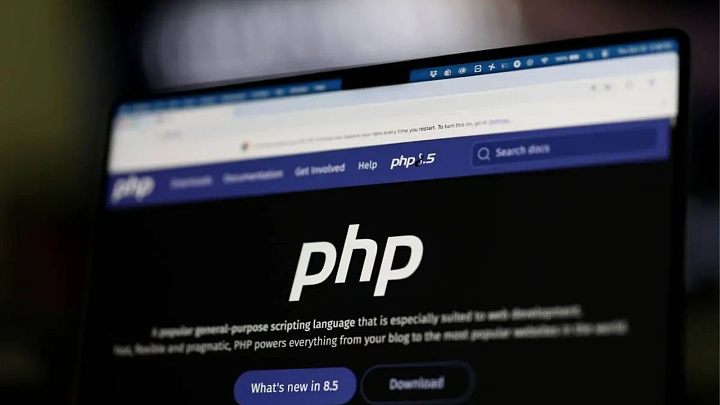
What Is PHP? A Software Flaw Has Forced Websites Around The World To Shut Down
Websites run by governments, businesses, and public services have been taken offline after researchers found security flaws in PHP, a programming language used to run millions of websites. The discovery has prompted cybe
Ni Ijaj Khan··15K nabasa
What Is PHP? A Software Flaw Has Forced Websites Around The World To Shut Down
Websites run by governments, businesses, and public services have been taken offline after researchers found security flaws in PHP, a programming language used to run millions of websites. The discovery has prompted cyber-security agencies to warn website operators to install a fix or temporarily suspend their services if they cannot secure their systems.
The flaws had remained undetected for more than a decade. Researchers used artificial intelligence (AI) to identify the issues, which has brought attention to a security problem that could allow attackers to access web servers without logging in.
Cybersecurity company Wiz, which was involved in identifying the flaws, described them as the most severe security issues it had seen discovered with the help of AI. OpenAI, whose technology was used during the research, also called the finding one of the most significant security issues in recent years.
The discovery has led organisations across several countries to review their systems and take steps to prevent attacks.
What Is PHP And Why Does It Matter?
PHP stands for PHP: Hypertext Preprocessor. It is a programming language that developers use to build websites and manage the information displayed on them. The language has been in use since the 1990s and remains part of the technology behind many websites.
Platforms such as WordPress and Wikipedia rely on PHP, as do many online shops, blogs, and other websites.
When someone opens a website, PHP can process a request, retrieve information from a database and send the required content to the visitor’s browser. This allows websites to display pages, manage user accounts and handle other tasks.
The problem is that the newly identified flaws could allow attackers to take control of affected web servers without authentication. Depending on how a server is configured, this could expose private information, including data stored in databases.
Paul Spain, chief executive of Gorilla Cyber Security, warned that the issue could affect millions of websites. Cyber-security researcher Jill Slay from the University of Adelaide also cautioned that attackers could use the flaws to access private data if they were able to exploit them, BBC reported.
AI has added to the concern because it can help researchers find software weaknesses. The same technology could also help attackers identify and exploit vulnerabilities, although finding a flaw does not automatically mean that every website using PHP has been compromised.
Which Websites Have Been Affected?
The security alert has disrupted websites and online services in several countries, including Wikimedia, the organisation that operates Wikipedia, which took some of its systems offline as a precaution. Government websites in Finland, public services in Edinburgh. The Netherlands’ cyber-security agency temporarily removed its website from public access, according to a BBC report.
Several public organisations in Scotland, including councils and health boards, also suspended access to their websites.
These actions do not necessarily mean the organisations had suffered a cyberattack. Taking a website offline can be a precaution while technical teams check whether it is exposed to the vulnerability and apply the required security updates.
Smaller organisations may face greater challenges because they often have fewer people available to manage software updates and monitor their systems.
What Are Governments And Technology Companies Doing?
PHP developers released security patches on Wednesday to address the vulnerabilities. The developers urged users to update their software as soon as possible. Cybersecurity agencies in the US, UK, EU, Singapore and Australia have issued warnings to organisations that use PHP.
The US National Security Agency advised organisations to take affected systems offline if they could not install the fixes immediately. It warned that attackers could use the flaws to gain access to databases.
The UK’s National Cyber Security Centre also urged organisations to apply the updates and check their systems for backdoors, which attackers may install to maintain access after an intrusion.
Japanese Prime Minister Sanae Takaichi asked website operators to check whether their publicly accessible websites use PHP. She also advised organisations to consider temporarily suspending services if they could not apply the fix promptly.
Amazon said it had faced multiple attempts to target its systems in the days before the vulnerability became public. However, it remains unclear how the potential attackers learned about the issue.
How Can Website Owners And Users Stay Safe?
Website owners and administrators should first identify whether their systems use an affected PHP version. They should then install the relevant security patches, check their servers for signs of unauthorised access and review their logs for suspicious activity.
Organisations that cannot update their systems immediately should consider restricting access or temporarily taking affected services offline, following guidance from their security teams and relevant authorities. For ordinary internet users, the responsibility for fixing the software rests mainly with website operators. However, users should pay attention to security notices from websites and services they use.
If a service asks users to reset their passwords or take other security measures, they should verify the request through its official website or app rather than following links in unexpected emails or messages.
People should also watch for phishing attempts that use the incident to trick them into sharing passwords or personal information.
In short, the immediate priority is to install the available fixes and check for signs of compromise. Although the discovery has raised concerns about websites that rely on PHP, the risk to any individual service depends on its software version, configuration, and whether attackers have managed to exploit the flaw.