Sleeping With Mobile Near Your Head At Night- Is It Dangerous For Health?
Keeping a smartphone beside the bed has become a common habit. Many people place their phone under the pillow, on the mattress, or on a bedside table so they can check notifications, use an alarm or quickly respond to me
Ni News18 Tech··15K nabasa
Sleeping With Mobile Near Your Head At Night- Is It Dangerous For Health?
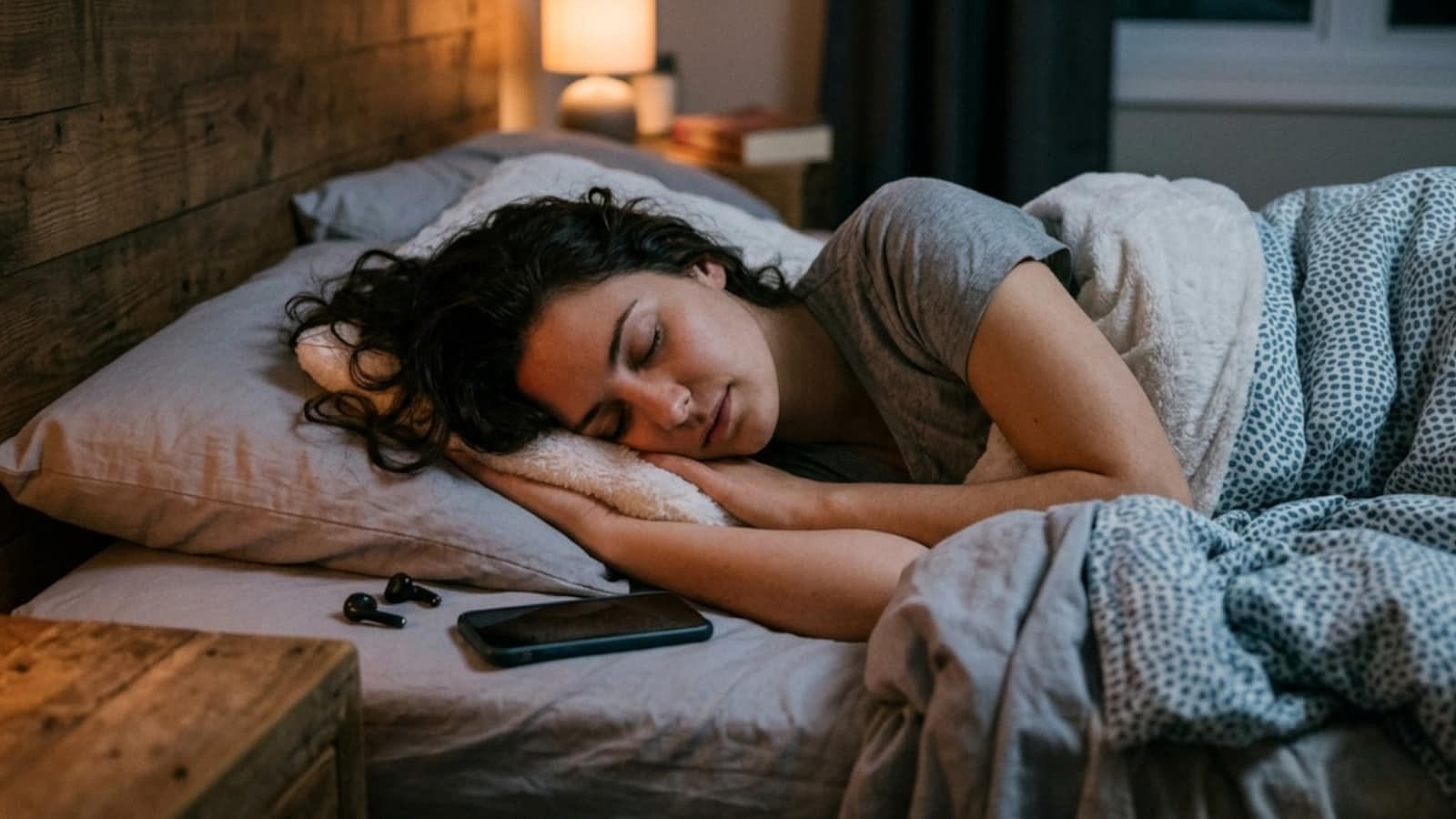
Keeping a smartphone beside the bed has become a common habit. Many people place their phone under the pillow, on the mattress, or on a bedside table so they can check notifications, use an alarm or quickly respond to messages during the night. But this raises an important question: is it dangerous to sleep with your phone near your head?
There is currently no strong evidence that simply keeping a mobile phone near your head while sleeping causes serious health problems. However, that does not mean keeping the device under your pillow or using it throughout the night is a good idea.
The main concerns are different from the way they are often presented online. They include exposure to radiofrequency energy, sleep disruption from the screen and notifications, overheating, and reduced sleep quality caused by late-night phone use.
For most people, the practical advice is straightforward: keeping the phone on a bedside table a little away from your head is preferable to putting it in the bed or under the pillow.
Does Phone Radiation Cause Harm While You Sleep?
Smartphones communicate using radiofrequency, or RF, electromagnetic energy. This is a form of non-ionising radiation, which is different from ionising radiation such as X-rays. Non-ionising radiation does not have enough energy to directly damage DNA in the same way that ionising radiation can.
The amount of RF exposure from a mobile phone also varies considerably depending on factors such as signal strength, network technology, distance from the phone and how the device is being used. A phone generally has to transmit more strongly when the cellular signal is weak.
The US Food and Drug Administration (FDA) says the weight of scientific evidence has not linked radiofrequency exposure from mobile phones with health problems. The World Health Organization’s International Agency for Research on Cancer (IARC) has previously classified radiofrequency electromagnetic fields as “possibly carcinogenic to humans”, but this classification does not mean that mobile phones have been proven to cause cancer.
This is an important distinction. Research into long-term mobile phone exposure is continuing, but there is currently no established evidence showing that sleeping next to a normal, functioning smartphone causes brain cancer or other serious disease.
Why Sleeping With A Phone Under Your Pillow Is A Bad Idea
Although cancer fears are often the main concern, there is a more immediate reason to avoid putting a phone under a pillow: heat.
Smartphones generate heat while charging and during demanding tasks such as gaming, video calls, navigation, streaming or intensive background activity. A pillow, blanket or mattress can trap that heat and reduce ventilation.
Keeping a charging phone under bedding is particularly undesirable because it can prevent heat from escaping. Excessive heat can affect the battery and, in rare circumstances, contribute to battery failure or a fire.
For this reason, phones and their chargers should be kept on a hard, open surface while charging rather than under a pillow, blanket or other material that can trap heat.
Your Phone Could Be Affecting Your Sleep More Than Your Health
For most people, the bigger problem with having a phone close at night is likely to be sleep quality rather than RF radiation.
Smartphones can make it harder to fall asleep because they encourage continued engagement. A person may plan to check one notification and end up scrolling through social media, watching videos or replying to messages for another 30 minutes.
The light from a screen can also affect the body’s normal preparation for sleep. Exposure to bright light in the evening can influence circadian rhythms and melatonin production, particularly when the device is used close to bedtime.
Notifications can create another problem. Vibrations, sounds and screen illumination may wake a person during the night, even when the interruption is brief. Repeated interruptions can make sleep less restful.
That is why sleep specialists commonly recommend creating a period without screens before bedtime and keeping unnecessary notifications switched off overnight.
How Far Away Should You Keep Your Phone While Sleeping?
There is no universally agreed minimum distance that every person must maintain from a smartphone while sleeping. However, distance reduces RF exposure substantially. The farther the phone is from your body, the lower the exposure from the device tends to be.
Instead of keeping the phone next to your pillow or under your head, place it on a bedside table or another nearby surface. Even moving it a modest distance away can reduce exposure compared with holding it directly against your body.
Another simple option is to switch the phone to airplane mode overnight, provided you do not need cellular connectivity. This can reduce wireless transmissions while still allowing you to use many offline functions, including an alarm.
What About Wi-Fi And Bluetooth At Night?
A smartphone can communicate through several wireless technologies, including cellular networks, Wi-Fi and Bluetooth. These also use non-ionising radiofrequency energy.
There is no convincing evidence that ordinary exposure to Wi-Fi or Bluetooth from consumer devices at levels permitted under current safety standards causes health problems. As with mobile networks, exposure depends on several factors, including distance and how actively the device is transmitting.
People who remain uncomfortable about overnight wireless exposure can simply switch off Wi-Fi and Bluetooth, use airplane mode or move the phone farther away from the bed. These are practical choices rather than measures that current evidence shows are medically necessary for the general population.
Is It Safe To Charge Your Phone Overnight?
Modern smartphones are designed to manage charging automatically, and built-in systems can reduce or stop charging when the battery reaches its target level. That does not mean charging practices should be ignored.
The safest approach is to use a genuine or reputable charger and cable, keep the phone on a hard, ventilated surface, and avoid charging beneath bedding. Damaged batteries, counterfeit chargers and cables with visible damage can increase safety risks.
If a phone becomes unusually hot while charging, repeatedly shuts down, develops a swollen battery or shows other signs of battery damage, it should not simply be kept plugged in overnight. A damaged lithium-ion battery can pose a fire risk.
Should You Turn Off Your Phone Before Going To Sleep?
You do not need to switch off your smartphone every night simply because it is near your head. There is no strong scientific evidence that a powered-on phone beside the bed is inherently dangerous to a healthy person.
However, switching it off, using airplane mode or enabling Do Not Disturb can be useful for other reasons. It can reduce interruptions, discourage late-night checking and create a clearer boundary between screen time and sleep.
For people who use their phone as an alarm, there is usually no need to keep it directly beside the pillow. A bedside table, shelf or desk can work just as well.