Meta CTO Andrew Bosworth Admits Smart Glasses Have A Privacy Problem; People Are Right To Call It Pervert
Meta’s AI-powered smart glasses have run into a mounting privacy backlash, as clips of wearers covertly filming women and unsuspecting strangers have circulated widely on social media. In an unusually direct public ackno
Ni News18 Tech··22K nabasa
Meta CTO Andrew Bosworth Admits Smart Glasses Have A Privacy Problem; People Are Right To Call It Pervert
Meta’s AI-powered smart glasses have run into a mounting privacy backlash, as clips of wearers covertly filming women and unsuspecting strangers have circulated widely on social media. In an unusually direct public acknowledgement, Meta’s Chief Technology Officer Andrew Bosworth confirmed the company has been removing content and suspending accounts tied to misuse of the devices, as Meta scrambles to control a controversy that has followed its glasses into the mainstream.
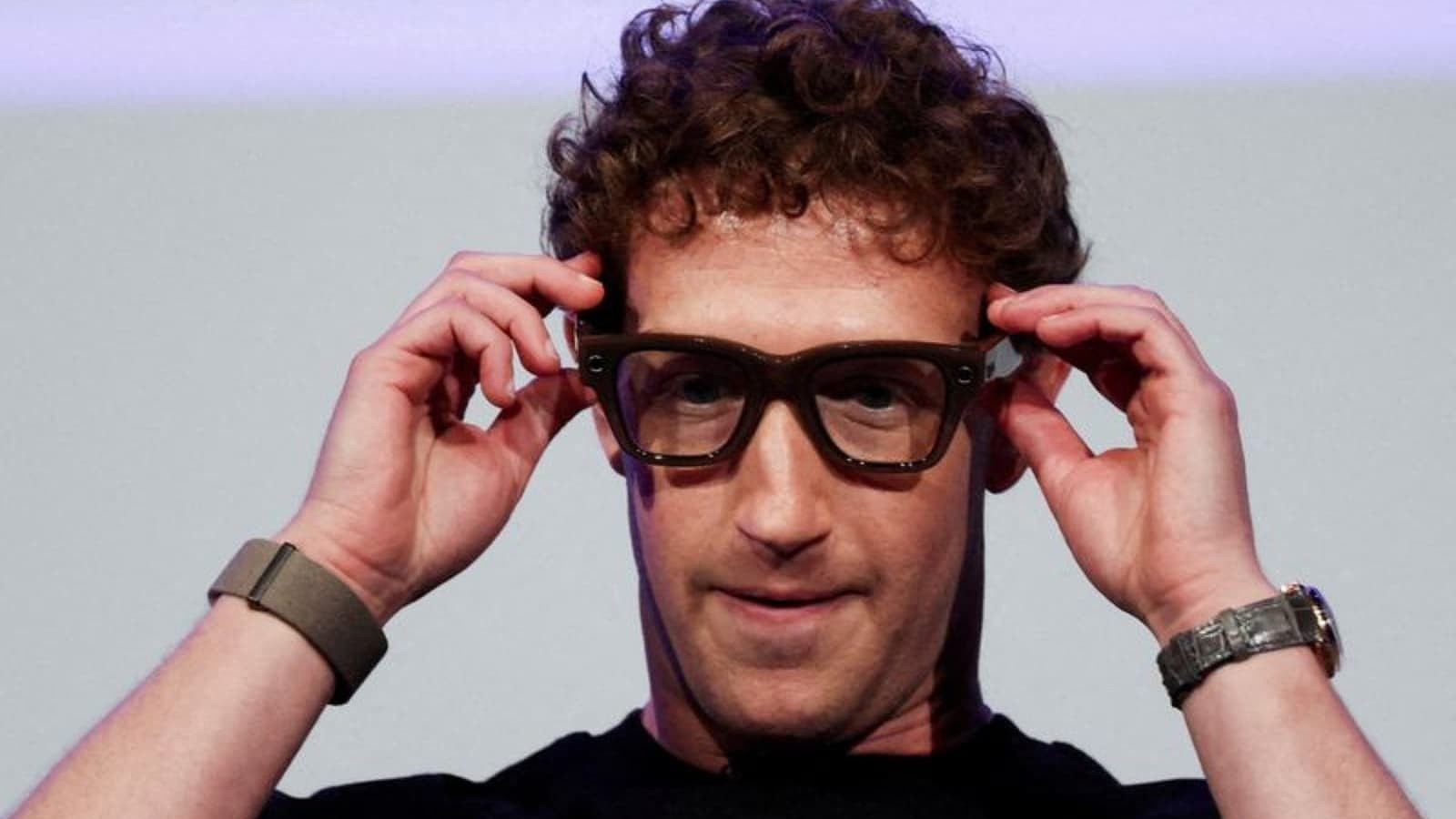
Facing growing criticism, Meta has launched what looks like a coordinated public relations push explaining exactly how its glasses are supposed to protect bystanders. In an Instagram video posted last week, Bosworth walked through the built-in capture LED meant to signal when the camera is active: “We designed this camera to be noticed by the people around you, so in every pair of glasses we make, there’s a capture LED on the front, and it lights up when someone’s taking photos or videos for the gallery.”
He went further, addressing the misuse problem head-on rather than deflecting from it: “We took this issue all the way across Meta, and we’ve been taking down content and even whole accounts connected to people misusing the glasses.”
The acknowledgement follows a wave of photos and videos captured through Meta’s glasses spreading online, not all of them filmed with the subject’s knowledge or consent. A disturbing trend emerged of creators using the hands-free camera to harass women and secretly record their reactions for content, prompting a section of social media users to start referring to the product as “pervert glasses,” a label that has stuck in the broader conversation around the devices.
According to Bosworth, the camera has no manual off switch and simply stops functioning if a wearer tries to cover or disable the LED. Alex Himel, Meta’s vice president of wearables, added detail to the fix in a separate Threads post last week, confirming the glasses will now stop recording if the capture LED is blocked either before or during use.
“We’re going to keep rolling out updates like this to make sure the capture LED can reliably alert bystanders when photos or videos are being captured for someone’s gallery,” Himel wrote.
The update closes a specific workaround some users had figured out. Meta’s glasses already blocked recording if the LED was covered before a video started, but people discovered they could get around that by starting the recording first and covering the light only afterward. Himel detailed the fix directly: “We have an update coming to increase the reliability of the capture LED on our AI glasses. The camera won’t start recording if the LED is blocked, but some people try to bypass this by starting a recording and then covering it up. A fix for this is starting to roll out, the camera will now stop working if the light is covered during a recording.”
He added that “only a tiny minority of people try to get around these protections, and the fact they have to go to these lengths shows our efforts are working.” This builds on an earlier fix from roughly a month prior, when Meta updated the glasses to shut off the camera entirely if someone physically tampered with or damaged the capture LED itself, a measure the company had described at the time as an industry first aimed at a small cottage industry of modders offering to disable the light through hardware modification.
Despite the account suspensions Bosworth described, Meta’s moderation hasn’t been able to catch every case of misuse. A recent Business Insider report found the company’s enforcement efforts have not stopped all accounts built specifically around covert filming using the glasses. The controversy has also been compounded by separate reporting that Meta was exploring facial recognition capability for the glasses, a prospect that has drawn direct pushback from the ACLU and 75 other organisations, who have called on the company to abandon the idea entirely, citing the risks it would pose. Bosworth has previously said he is personally “interested” in eventually offering a version of the glasses without a camera at all.
Venues Are Setting Their Own Rules
Meta has spent heavily to position its smart glasses as a mainstream accessory, enlisting figures like Kylie Jenner and Teyana Taylor and running a Super Bowl LX advertisement to build consumer interest. But as adoption grows, so has pushback from event organisers writing their own restrictions into venue policy. Burning Man told attendees at its 2026 festival that smart glasses are permitted, but that wearers must get explicit consent before filming anyone. In New York, the nightclub Basement updated its no-photo, no-video policy to explicitly cover smart eyewear, warning in an Instagram post that “anyone bringing smart glasses into the venue, whether wearing them or carrying them in a bag, will be asked to leave and may be permanently banned.” Organisers of the DEFCON Hacking Conference banned smart glasses and similar wearables from the event outright back in July. Separately, New York State has banned camera-equipped smart glasses from all courtrooms, with similar restrictions emerging in Philadelphia courts and on some cruise lines.
Beyond software fixes, Meta has started running an advertising campaign specifically built to educate the public about the capture LED, targeting what company spokesperson Albert Aydin described as communities “where glasses sales have been popular.” One billboard currently up in Los Angeles shows the glasses alongside a blunt message: “The camera lets you capture the moment. The light lets everyone around you know when you do.” A companion video reinforces the same idea, stating that the LED “signals when the glasses are capturing photos and videos,” and that no light showing means no capture is happening.
In his own video, Bosworth closed with a direct appeal to users to treat the light as more than a technical detail: “Please remember, the light is there for everyone.”