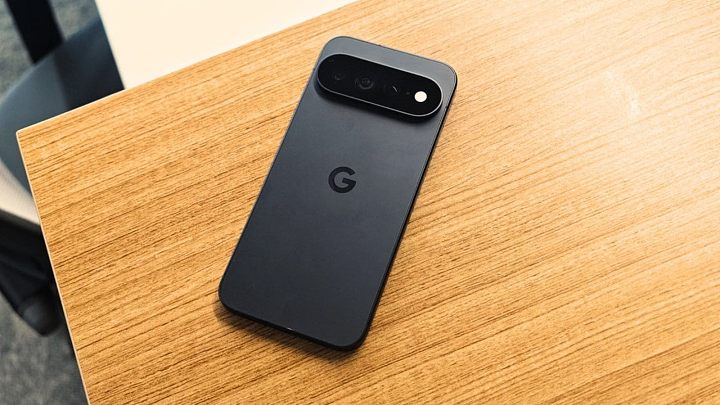
Google Pixel 11 Pro XL Review: Does The New Google Flagship Bring More Power In Your Hands?
Google continues to make Pixel flagship phones and all its focus is on making these devices AI-ready for now and the for future. The Pixel 11 series is out in full flow and you have the regular lineup of four Pixel 11 ph
Ni Aadeetya Sriram··41K nabasa
Google Pixel 11 Pro XL Review: Does The New Google Flagship Bring More Power In Your Hands?
Google continues to make Pixel flagship phones and all its focus is on making these devices AI-ready for now and the for future. The Pixel 11 series is out in full flow and you have the regular lineup of four Pixel 11 phones and a Pro foldable once again.
Our eyes have been glued to the Pixel 11 Pro XL and its largish screen which competes with other Pros and even the Ultras in the market. There is a lot of sameness about the new Pixel phones and Google is happy to keep that identity going.
But every year we wait and see if the company decides to enter the big battle and give other premium brands a run for the money on all fronts. Like most brands, the Pixel 11 Pro XL starting price has gone up to Rs 1,34,999 for the base 256GB model. But is that price and other parts about the device bring more power in your hands? We find out.
The Pixel Style
Google has zeroed-in on a style that works for the brand and every year we see it getting some moderate tweaks. The Pixel 11 Pro XL in matte black gives you the usual premium touch, the large camera bar at the back houses the triple sensors along with a new LED addition.
There is nothing lacking in terms of the build quality or the overall appeal of the new Pixel flagship model. Google prefers to keep the design simple, which is some form of the premium mandate for most brands. It has a glass back protected by Gorilla Glass Victus 2, and the aluminium frame on the side.
It must be pointed out that you are getting a large phone that is 8.5mm thick and weighs over 220 grams, which feels dated when you can easily get a foldable for under those dimensions nowadays.
Having said that, the weight distribution ensures you don’t feel the heft or find it unwieldy. Does it stand out among the crowd of Pixels, not really but this phone was never looking to win those battles and still manage to make a good impression.
Actua Display Shines
The Pixel 11 Pros get the LTPO Actua or OLED display that comes with 120Hz adaptive refresh rate, and HDR10+ on the 6.8-inch screen. The brightness has gone up to 3600 nits and the difference is marginal but adequate for outdoor use and you can easily read the content in bright conditions.
The overall display performance is quite good, the colours are punchy with the panel on offer and it is just pleasing to view or read content on the bigg-ish screen. Not much to complain about here either.
The Tensor Universe
The Tensor G6 was supposed to give Google a big filip thanks to the 2nm process on which the chip is being made. But when the device came out, the company once again talked about its AI performance and on-device AI levels rather than tell us how it does while gaming or when overloaded for power.
And also, confirmed the G6 is actually made on the 3nm process and not the newer technology.
The 12GB RAM on board is also catering to AI with the neural processing unit on the Pixel 11 Pro XL. This means the benchmark scores are better than what you saw with the Tensor G5 on the Pixel 10 series last year. In the overall Android landscape, the G6 is still close to a 2-gen old chipset which again tells you where Google’s priorities lie once again.
Does that reflect its daily usage, not really. You get a smooth and fluid experience that can handle multi-tasking and gaming to some extent. But there is a big rider to these Pixel devices, and at least for now, you will not find issues but the long-term sustainability has been a concern and they will be even if Google assures a really long OS support for its flagships.
Pixel Goes Fully AI
Google’s Pixel 11 event had some hardware and most of it was about AI. Gemini is now the boot screen with the new models which tells you what the company plans to work on for the future. The NPU on the Tensor G6 has been customised and optimised to keep AI data on the device and let it effectively work without heavy latency posed when you send files to the server for processing.
New features have been added to show its prowess with the likes of Rambler handling on-device records and transcribing options that can become a time saver. Gemini’s smartness ensures the results are quite accurate. The G6 also lets the AI work behind the scenes across apps to give useful information when needed.
Google even talked about AI agents operating in the near future because of how the hardware has been set up and we are keen to see that materialise. The Android 17 version comes out of the box and Google says the Pixel 11 series will get 7 OS upgrades and updates like the last two versions, and will keep an eye on how those promises pan out in the long run.
Same Pixel Magic?
Google is offering a new 50MP main sensor with wider aperture along with the other two 48MP periscope telephoto and ultrawide lenses. With the new camera the daylight and low light photos have become better but nothing that makes it stand out from the Pixel 10 Pro XL cameras.
The Pixels had a certain benchmark a few years back but the market has moved to other, better camera technology that needs to be part of the flagship package if the prices are only going to go higher.
The Ideal Mile Muncher?
Google has strangely packed a smaller battery on this year’s Pixel Pro XL model but somehow that delivers a marginal bump in overall usage time. During our tests over the last few weeks, we noticed the Pixel 11 Pro XL maximises the efficiency to run a little longer than what we got previously with the Pixels.
Does this mean you use the phone for the whole work day and still left with some juice in the tank, certainly but that depends on your needs and demands from a phone. The charging speeds haven’t changed. You can get around 75 percent charged in around 45 minutes but the rest of the 25 percent takes a while to fuel up.
The Pixel 11 Pro XL comes with the higher price tag like most phones this year but does that translate into notable upgrades?
You get the same OLED display, the design has been tweaked rather than overhauled, the cameras have gotten better but not so much, and the battery life is still lagging in comparison to the SiCo battery peers. The Pixel AI experience gets better thanks to the Tensor G6 powering the device but performance is still going to become a challenge in the long run.