Do We Really Need to Upgrade Our Phones Every Year?
I’ve changed phones far more often than any sensible person actually needs to. I’ve used iPhones across generations, Samsung Ultras, gaming phones and several Android devices in between. Give me a new camera system, an i
Ni Anjan N Ghosh··45K nabasa
Do We Really Need to Upgrade Our Phones Every Year?
I’ve changed phones far more often than any sensible person actually needs to. I’ve used iPhones across generations, Samsung Ultras, gaming phones and several Android devices in between. Give me a new camera system, an interesting design or some clever piece of hardware and I immediately want to play with it.
But even I have started asking myself a slightly uncomfortable question: do we really need to upgrade our phones every year?
Remember When a New Phone Actually Looked New?
There was a time when upgrading after a couple of years could feel dramatic. The screen was much better. The camera suddenly became genuinely useful. The processor was noticeably faster. Then came 4G, fingerprint sensors, face recognition, multiple cameras, high-refresh-rate displays and all sorts of things that genuinely changed how the phone felt.
Today I can put two consecutive generations of some flagship phones next to each other and, from across the table, struggle to tell which one is newer.
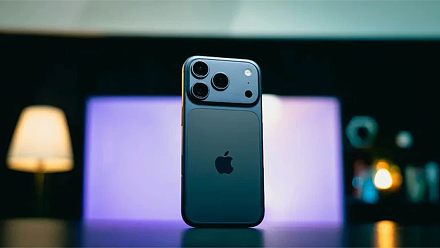
Which makes me wonder: did Apple give the new iPhone 18 Pro Burgundy and Glacier colours just so people can tell you’ve upgraded? Otherwise, imagine spending all that money and having to explain it yourself. �
And yes, Burgundy and Glacier really are two of the four finishes on the new iPhone 18 Pro lineup, so at least the joke is factually safe.
That’s not because phone companies have become lazy. Smartphones are simply mature products now. There are only so many revolutionary things you can do every twelve months to a glass rectangle that already has an excellent display, ridiculously powerful processor and several very good cameras.
Yet every year we gather around launch events and collectively behave as though civilisation has been waiting desperately for this year’s slightly improved telephoto camera.
I watch them too. I told you I was part of the problem.
Your Processor Is Probably Bored
Modern flagship phones are enormously powerful, and most of us barely trouble them. For everyday WhatsApp, email, browsing, YouTube, UPI, photography and social media, a good phone from two or three years ago is hardly gasping for breath.
That Snapdragon nuclear reactor we paid for is frequently sitting there drinking tea while we scroll through Instagram.
Software support has improved dramatically too. Google promises seven years of updates for the Pixel 8 and later phones, while Samsung says its Galaxy S26 series gets seven generations of OS upgrades and seven years of security updates. Apple doesn’t advertise the same fixed number of years, but iOS 27 still supports the iPhone 11 family and second-generation iPhone SE.
Keeping a good phone for longer no longer automatically means living with ancient software.
But Cameras Can Still Tempt Me
This is where my sensible argument begins falling apart.
I’m an amateur photographer, and cameras remain one of the few areas where a new phone can genuinely tempt me. Better zoom, improved low-light photography, faster processing or better video can matter if you actually use those things. Battery life can matter too. After several years, an otherwise perfectly good phone may simply not last as long as it used to.
But here’s a question worth asking before replacing it: is the phone bad, or is the battery old?
Sometimes a battery replacement can give an ageing phone another useful stretch of life for considerably less than replacing the entire device. The same logic applies elsewhere. If your phone has become unreliable, storage is constantly full, the camera genuinely limits what you want to do or an important new feature will actually change how you use it, upgrading makes sense.
That’s very different from upgrading because the calendar says September.
Then There’s AI
AI has given phone companies another reason to persuade us that older hardware is suddenly prehistoric. Some newer AI features genuinely need more capable processors and memory, so there will be cases where new hardware enables things an older phone simply can’t do.
But after writing an entire article about AI, I’ve arrived at a fairly simple test: don’t tell me my new phone has AI. Show me something useful that my current phone cannot do.
If the answer improves something I regularly do, I’m interested. If it generates an emoji of me riding a unicorn while wearing a spacesuit, I may survive another year.
Probably.
Wanting One Is Also a Reason
There’s another side to this that practical buying advice often ignores. Sometimes we buy things because we enjoy them.
If technology is your hobby, you can comfortably afford a new phone and the latest model makes you happy, you don’t need to prepare a PowerPoint presentation defending the purchase. People spend money on watches, cameras, cars, audio equipment and holidays because they enjoy them. Gadgets are allowed to be fun too.
I certainly won’t judge you. I’d have to explain my own cupboard first.
But wanting a new phone and needing one are two different things, and manufacturers are remarkably good at making the first feel like the second.
Maybe Skip a Generation. Or Two.
For most people with a good recent phone, the improvements that arrive in a single year may simply not change everyday use very much. Keep the phone for two, three or even more years and those little improvements begin accumulating into something you can actually feel.
Then the new phone becomes exciting again. The display is better, the camera has moved forward, the battery is fresh, new features have accumulated and even the design might have changed enough for your family to notice that you bought a new phone.
And perhaps that’s the irony. The best way to make your next smartphone upgrade feel genuinely impressive may simply be to stop upgrading quite so often.