UPI Changed 8 Everyday Moments — Now Rs 2000+ Transactions May Cost You
Unified Payments Interface, or UPI, has moved far beyond being a convenient alternative to cash. For millions of urban residents, scanning a QR code has become part of everyday routines, from buying breakfast and paying
Ni Parishmita Saikia··173K nabasa
UPI Changed 8 Everyday Moments — Now Rs 2000+ Transactions May Cost You
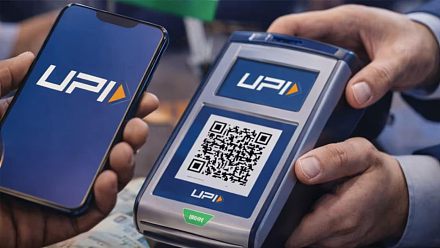
Unified Payments Interface, or UPI, has moved far beyond being a convenient alternative to cash. For millions of urban residents, scanning a QR code has become part of everyday routines, from buying breakfast and paying an auto fare to splitting a restaurant bill or settling a monthly payment.
The scale of that shift is reflected in the latest data. NPCI recorded 24,508.96 million UPI transactions worth Rs 29,82,355.95 crore in August 2026, showing how deeply digital payments have become embedded in India’s economy.
NPCI data also shows a strong concentration of UPI activity in major urban centres. Bengaluru Urban accounted for around 2.86% of India’s UPI transaction volume, followed by Mumbai Suburban at 2.49% and Pune at 1.86%. Mumbai and Thane were the other districts contributing more than 1% of total transaction volume.
But what does that actually mean for ordinary residents? In cities, UPI’s biggest impact can perhaps be seen in the small, everyday moments when cash, change and queues have gradually disappeared.
Mumbai: From Local Train Queues To Quick Auto Payments
For Mumbai’s commuters, one of the biggest advantages of digital payments is speed. Buying an unreserved railway ticket or renewing a pass once meant dealing with queues at busy stations. Digital ticketing through railway apps and services has reduced the need for commuters to stand at ticket counters, while UPI makes it possible to complete payments directly from a phone.
The same convenience extends to Mumbai’s ubiquitous taxis and autos. A commuter getting off at a busy suburban station can scan a driver’s QR code and pay the exact fare instead of searching for loose change.
UPI has also simplified recurring payments between households and workers. Domestic workers and other service providers can receive payments directly into their bank accounts, reducing the need for cash envelopes and making transfers easier to record.
Bengaluru: Where UPI Fits Into A Tech-Heavy Daily Routine
Bengaluru’s position at the top of the district-wise UPI transaction table is perhaps reflected in the range of situations in which residents use digital payments. Metro commuters can buy QR-based tickets through digital channels, while bus and transport services are increasingly incorporating app-based ticketing and digital payment options.
The convenience extends far beyond transport. A Rs 15 coffee at a neighbourhood stall, breakfast from a food truck in Whitefield or a shared lunch bill among colleagues can all be settled with a quick scan.
For the city’s large population of technology workers, UPI has also become an easy way to split rent, groceries, cab fares, meals and car-pooling expenses among friends and colleagues.
Lucknow: From House Tax To Street-Side Shopping
UPI’s reach is not limited to India’s technology hubs. In Lucknow, digital payments have made some civic transactions more convenient, including online payment of municipal dues where the service is available. Residents can complete payments digitally and retain an electronic receipt rather than visiting an office solely to make a payment.
The change is equally visible in traditional markets. A shopper browsing for chikankari in Aminabad or buying food from a local vendor can increasingly encounter a QR code alongside the traditional cash box.
For small traders, accepting digital payments can also mean being able to receive the exact amount without maintaining a stock of change.
Chennai: Paying For Everyday Needs Without Searching For Cash
In Chennai, digital payments have found their way into transport and local commerce. Commuters can use digital channels for transport-related payments and ticketing where enabled, reducing dependence on physical cash. At the same time, small businesses and vendors around busy markets and tourist areas increasingly accept UPI.
A snack at a beach-side stall or a purchase at a local market can now be completed with the same scan-and-pay process used at a large retail store.
Kolkata: Digital Payments Meet Heritage India
Kolkata offers another interesting example of how UPI has blended into traditional urban life. Digital payment options are increasingly available across transport, shops and local businesses. Commuters can use UPI for eligible Metro-related services, while QR codes have become commonplace at restaurants, sweet shops and neighbourhood stores.
During the festive season, when Kolkata’s markets and sweet shops see enormous crowds, digital payments can reduce the need for cash handling and make transactions quicker.
Kerala: UPI Moves Beyond The Big Cities
Kerala’s strong banking network and high levels of digital literacy have helped digital payments spread beyond major urban centres. Small traders, roadside vendors and local businesses can accept UPI without requiring sophisticated card machines. For residents and visitors, that means even relatively small purchases can be made digitally.
Digital ticketing has also expanded across transport services, including bus and water transport services in parts of the state, giving commuters more options to pay without cash.
Patna: Students, Messes And Local Markets Go Digital
In Patna, UPI has become particularly useful in a city with a large student population and extensive coaching ecosystem.
Students living away from home can pay coaching fees, library charges, mess bills and other everyday expenses digitally. Parents can also transfer money instantly rather than relying on cash or other traditional methods.
Local markets and auto-rickshaws have also increasingly adopted QR payments, allowing passengers and shoppers to make exact-value payments during busy periods.
Hyderabad: From Metro Rides To Midnight Biryani
Hyderabad’s technology-driven economy has helped digital payments become a routine part of urban life.
Digital ticketing and payment options are available across parts of the city’s public transport ecosystem, while UPI has become common at restaurants, food outlets and smaller vendors.
That becomes particularly useful in Hyderabad’s late-night food economy. Whether it is a quick meal around Hitec City and Gachibowli or food near the city’s older markets, customers can often pay digitally without having to find an ATM or carry cash.
FASTag Shows How Digital Payments Changed Travel Too
The impact of digital payments is not restricted to city streets. FASTag has already transformed toll payments by allowing vehicles to pass through toll plazas without stopping to hand over cash. UPI-based mandates and AutoPay canfurther automate balance management for users who opt for them.
For someone travelling between Mumbai and Pune, Bengaluru and Mysuru or Lucknow and Agra, the larger change is the same: fewer cash transactions and less dependence on physical payment counters.
So, What Changes With The New UPI Charges?
The latest announcement has created discussion around the future cost of digital payments, but it is important to distinguish MDR from a direct consumer transaction tax. From October 15, 2026, a 0.4% Merchant Discount Rate will apply to specified person-to-merchant UPI transactions above Rs 2,000. The charge is to be paid by merchants to the acquiring bank and will be capped at Rs 300 for transactions of Rs 75,000 and above.
Person-to-person UPI transfers will remain free regardless of the amount. Payments to merchants up to Rs 2,000 will also remain free, and the government says about 96% of P2M transactions will remain unaffected.
Small merchants covered by the zero-MDR framework will also remain exempt, while specified sectors such as railways, telecom, insurance and fuel will have a flat Rs 5 MDR on eligible transactions above Rs 2,000.
The government has described the MDR as a mechanism to support the sustainability and expansion of the UPI ecosystem, while clarifying that it is not a tax collected by the government or NPCI.
The Bigger UPI Story Is Already Visible
Whatever the debate over the new MDR structure, UPI has already changed the mechanics of everyday payments across Indian cities. The transformation is perhaps easiest to see not in the headline transaction figures, but in ordinary moments: a Mumbai commuter paying an auto driver without searching for change, a Bengaluru colleague splitting a lunch bill, a Patna student paying a mess fee from home, a Lucknow shopper buying from a street vendor or a Hyderabad resident paying for a late-night meal.
What began as a digital payment system has become, for many urban residents, an everyday habit.