RBI Policy: Experts Say 'Tone Has Been Well Balanced', See 50 Bps Rate Hike By End Of 2026
The Reserve Bank of India (RBI)’s decision to keep the repo rate unchanged at 5.25 per cent has been welcomed by experts, who said the move reflects a cautious approach amid renewed inflationary pressures and global econ
Ni Shobhit Gupta··26K nabasa
RBI Policy: Experts Say 'Tone Has Been Well Balanced', See 50 Bps Rate Hike By End Of 2026
The Reserve Bank of India (RBI)’s decision to keep the repo rate unchanged at 5.25 per cent has been welcomed by experts, who said the move reflects a cautious approach amid renewed inflationary pressures and global economic uncertainties.
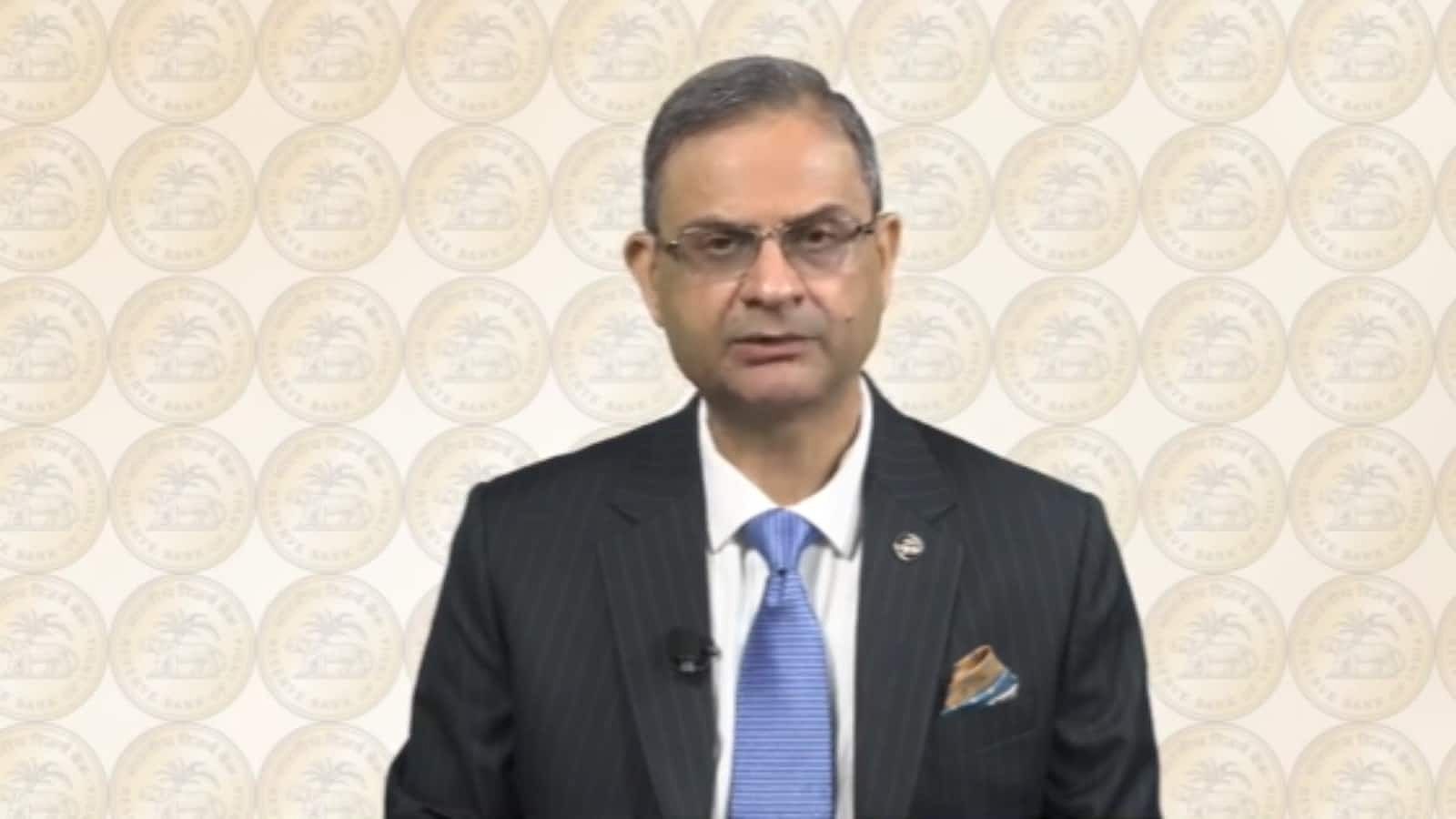
Announcing the bi-monthly monetary policy on Wednesday, RBI Governor Sanjay Malhotra said the six-member MPC unanimously decided to retain the policy repo rate at 5.25 per cent. The central bank also left its policy stance unchanged at “neutral”, indicating that future decisions will continue to be guided by incoming economic data.
Upasna Bhardwaj, Chief Economist at Kotak Mahindra Bank, said that the RBI’s decision to maintain the status quo was in line with expectations and described the policy tone as balanced.
“RBI’s decision of status quo has been in line with expectations. The tone has been well balanced, highlighting the risks and hence the policy decisions ahead being data dependent,” Bhardwaj said.
She added that there could still be room for rate hikes in the second half of FY27, particularly if inflation remains elevated.
“We continue to see scope for 50 bp of rate hike in 2HFY27, especially as 1QFY28 inflation also continues to look above 5%,” she said.
Madhavi Arora, Chief Economist at Emkay Global Financial Services, said the policy tone was “cautious albeit constructive”, as the RBI balanced global risks with resilient domestic growth.
“The policy tone is cautious albeit constructive, balancing uncertainties from the Middle East conflict, tighter global financial conditions, and El Niño risks against resilient domestic growth and robust FCNR+ inflows,” Arora said.
She noted that despite first-quarter inflation coming in below the RBI’s forecast, the MPC continued to highlight El Niño risks. According to Arora, any near-term price pressures are likely to remain largely supply-driven unless they translate into broader second-round inflation effects.
Adhil Shetty, CEO of BankBazaar, said the decision indicated that inflation had once again emerged as a key concern for monetary policy.
“The RBI’s decision to keep the repo rate unchanged at 5.25 per cent with a neutral stance signals that inflation has once again become the central policy concern,” Shetty said.
He added that while economic growth remained resilient, the RBI appeared to be seeking greater confidence that price pressures would ease before considering further monetary easing. Geopolitical uncertainty and volatile energy prices also continue to pose risks, he said.
Experts from the real estate sector also welcomed the decision, saying stable interest rates would provide greater certainty to homebuyers and developers.
Umesh Gowda H A, Chairman and Founder of Sanjeevini Group, said maintaining the repo rate was in line with expectations given geopolitical tensions, supply chain disruptions and renewed inflationary pressures.
“Prioritising macroeconomic stability over monetary easing is a prudent move,” Gowda said, adding that stable interest rates would help developers and homebuyers plan investments and purchases without disruption.
Mukesh Choudhary, Managing Director of Accuspace, said the RBI’s wait-and-watch approach was appropriate in an increasingly volatile global environment.
He said policy consistency would reassure domestic and foreign investors, while predictable borrowing costs would support long-term capital deployment and financing conditions in the real estate sector.
Srishti S Anandd, Co-founder and Chief Advisor at Paradigm Realty, said the rate decision would reinforce stability in the residential property market.
According to Anandd, stable borrowing costs would allow both buyers and developers to plan for the long term, while underlying demand continues to be supported by rising household incomes, urbanisation and infrastructure development.
Chintan Sheth, Chairman and Managing Director, said the real estate sector welcomed the decision, noting that the status quo would help stabilise home loan EMIs and sustain buyer confidence.
He added that predictable project financing and bank credit costs would provide developers with greater visibility over project pipelines and inventory absorption.
Rohit Kishore, CEO of Hero Realty, said the decision provided “much-needed stability” amid global uncertainties. Predictable interest rates, he said, would help businesses and consumers plan with greater confidence and support homebuying and investment activity.
Aman Sarin, Director and CEO of Anant Raj Limited, also welcomed the move, particularly against the backdrop of the ongoing crisis in West Asia and its impact on input costs.
Sarin said stable borrowing costs would help businesses and homebuyers manage cash flows and plan investments, while the current level of home loan rates remained supportive of housing demand.