World Mental Health Day 2026: “I’m So OCD”, “Are You Bipolar”, “Unaliving Myself”- When Did Mental Health Disorders Become Everyday Slang?
How often do you hear someone being called a “psychopath”? Or someone casually describing themselves as “bipolar” or “depressed”? Many would say, often. Well, these are names associated with serious mental health disorde
Ni Tanya Dutt··10K nabasa
World Mental Health Day 2026: “I’m So OCD”, “Are You Bipolar”, “Unaliving Myself”- When Did Mental Health Disorders Become Everyday Slang?
How often do you hear someone being called a “psychopath”? Or someone casually describing themselves as “bipolar” or “depressed”? Many would say, often. Well, these are names associated with serious mental health disorders, yet they have quietly become part of our everyday vocabulary.
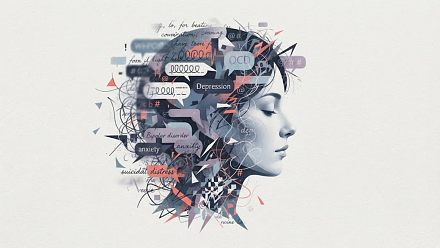
Scroll through Instagram or X and you will quickly notice how psychiatric language has moved beyond therapy rooms and medical conversations. Words such as OCD, bipolar, depressed, traumatised, psychotic, triggered and anxious are now routinely used to describe everything from messy bedrooms and changing plans to bad Mondays.
Then there is newer internet slang such as “stressy depressy”, “menty B” and “unaliving”, which has become part of the online vocabulary around emotional distress and suicide.
Somewhere along the way, the language of diagnosis slipped into everyday speech and lost much of its weight. What used to describe serious, often exhausting conditions now gets used to describe neatness, moodiness, or simple dislike.
The change feels small in the moment but over time it changes how we understand the people actually living with these diagnoses.
When Did A Clinical Diagnosis Become A Casual Personality Adjective
When someone says, “I’m so OCD because I cannot sleep unless my bedsheet is perfectly arranged and tucked in with no creases”, you probably understand what the person means, they like order.
“Why are you acting bipolar” stands in for unpredictable behavior, “My girlfriend is psychotic” often meaning they are difficult to deal with or behaved badly. Newer phrases like “unaliving myself” circulate as softened stand-ins for darker thoughts, sometimes shared for dark humour or suicide.
A person who hears “I’m depressed” after someone has had a terrible afternoon may eventually start associating depression with ordinary sadness.
Someone who repeatedly hears OCD used for cleanliness may struggle to understand that the disorder can involve distressing thoughts, compulsions and major disruption to daily life.
Real Disorders Behind The Casual Labels
Depression
“I am so depressed” can be thrown into a conversation after a disappointing day, a bad mood or a minor setback. Even popular culture has helped normalise the word, including Taylor Swift’s lyric about being “so depressed” while acting as though it is her birthday every day. The lyric, however, does not establish that the singer has been diagnosed with depression.
Clinically, depression is much more than feeling sad or having a difficult day. It is a serious mood disorder that can affect how a person feels, thinks and manages everyday activities, including sleep, eating and work. For a diagnosis of a major depressive episode, symptoms generally need to persist for at least two weeks and cause significant distress or impairment.
Attention-Deficit/Hyperactivity Disorder (ADHD)
Someone who is restless, energetic or easily distracted may casually say they have “ADD”. The term itself is also outdated in common clinical use; what was once referred to as ADD is now generally understood within the broader diagnosis of ADHD.
ADHD is a neurodevelopmental disorder that can affect attention, concentration, impulse control and activity levels. Its effects can extend well beyond occasional distraction, influencing academic or professional performance, daily responsibilities and social relationships.
Obsessive-Compulsive Disorder (OCD)
Being particular about cleanliness, organisation or hygiene does not automatically mean someone has OCD. Yet the term is often casually used to describe these preferences.
Clinically, OCD is a persistent mental health disorder involving recurring, unwanted thoughts known as obsessions and/or repetitive behaviours or mental acts called compulsions. These experiences can create significant anxiety and distress and may interfere with everyday life. When untreated, severe OCD can affect a person’s work, relationships and overall quality of life.
Bipolar Disorder
A breakup, sudden mood change or an unpredictable reaction can quickly become an excuse to label someone “bipolar”. Films, songs and social conversations have further contributed to the word being used as shorthand for inconsistency.
Bipolar disorder, however, is a serious, lifelong mood disorder characterised by episodes of significant changes in mood, energy, activity levels, thinking and behaviour. These episodes can include periods of mania or hypomania as well as depression, and they can have a substantial impact on a person’s everyday functioning.
Paranoid Personality Disorder (PPD)
Calling someone “paranoid” has become an easy way to describe a person who appears suspicious, distrustful or overly concerned about what others think.
Paranoid Personality Disorder is considerably more complex. It is a Cluster A personality disorder associated with a persistent pattern of mistrust and suspicion towards other people, even when there may be little or no objective reason for it. A person with PPD may interpret others’ intentions as threatening or demeaning, question the loyalty and commitment of people around them and find it difficult to relax or form stable relationships.
The condition typically begins by early adulthood and has been reported more frequently in men than women. Unlike the casual use of “paranoid” to describe a passing feeling, PPD can have a lasting impact on relationships and social functioning.
Suicide And Suicidal Thoughts
Phrases such as “I want to kill myself”, “I’m going to unalive myself” or “I cannot do this anymore” are increasingly used online to express embarrassment, frustration or feeling overwhelmed by everyday situations. Someone might use them after an awkward interaction, a work deadline or an unexpectedly difficult day. But the same words can also reflect genuine emotional distress, which makes context especially important.
Suicidal thoughts are not simply another way of describing a bad mood. They can involve thinking about death or suicide, and may occur alongside depression, intense psychological distress or other mental health difficulties. While a single statement does not establish that someone intends to harm themselves, repeated comments about wanting to die, feeling hopeless, being a burden or having no reason to live should not automatically be dismissed as jokes.
Internet Slang Can Make Mental Health Feel Relatable And Risky
Not every piece of mental-health slang is created to mock a disorder. Sometimes humour is a coping mechanism. Sometimes using casual language makes an intimidating subject easier to discuss. The rise of mental-health content online has also helped younger audiences encounter concepts that previous generations may have struggled to discuss openly.
“Unaliving”, for instance, emerged partly as an internet euphemism for suicide and death-related content, particularly in spaces where platforms may restrict or moderate explicit terminology. Its use can therefore be very different from casually saying someone is “bipolar” because they changed their dinner plans.
The concern begins when a term becomes so detached from its clinical meaning that people stop recognising the seriousness behind it.
Disclaimer: If you or someone you know needs help, call any of these helplines: Aasra (Mumbai) 022-27546669, Sneha (Chennai) 044-24640050, Sumaitri (Delhi) 011-23389090, Cooj (Goa) 0832- 2252525, Jeevan (Jamshedpur) 065-76453841, Pratheeksha (Kochi) 048-42448830, Maithri (Kochi) 0484-2540530, Roshni (Hyderabad) 040-66202000, Lifeline 033-64643267 (Kolkata)