Winter Is Coming! 4 No-Brainer Tips To Make The Gajar Ka Halwa, Avoid A Watery Mess
Winter in India brings with it the arrival of tender, juicy red carrots, which are used to prepare one of the season’s most-loved desserts: gajar ka halwa. Slow-cooked with milk, sugar, ghee, cardamom and dry fruits, thi
Ni Abigail Banerji··18K nabasa
Winter Is Coming! 4 No-Brainer Tips To Make The Gajar Ka Halwa, Avoid A Watery Mess
Winter in India brings with it the arrival of tender, juicy red carrots, which are used to prepare one of the season’s most-loved desserts: gajar ka halwa. Slow-cooked with milk, sugar, ghee, cardamom and dry fruits, this traditional carrot sweet is a winter favourite in many Indian households. However, one common kitchen challenge is ending up with a watery or soggy halwa instead of the rich, thick and slightly grainy consistency that makes it so delicious.
Since carrots naturally contain moisture, getting the cooking process right is essential. From choosing the right pan to knowing when to add sugar, a few simple adjustments can help you prepare perfectly reduced gajar ka halwa at home.
Here are 4 easy ways to prevent your homemade carrot halwa from turning watery this winter.
1. Cook Grated Carrots First To Release Their Excess Moisture
One of the easiest ways to prevent watery gajar ka halwa is to cook the grated carrots before adding milk or other ingredients. Once you have washed, peeled and grated the tender red carrots, heat a little ghee in a heavy-bottomed kadai and add them. Cook over a medium flame, stirring regularly, until the carrots soften and their excess moisture evaporates. Avoid covering the pan with a lid, as trapped steam can add to the moisture. This initial cooking step helps concentrate the carrot flavour and gives the halwa a better texture.
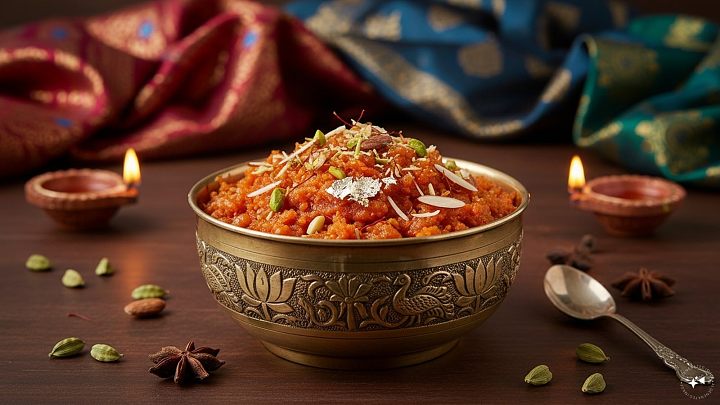
Gajar HalwaA winter favourite, gajar halwa combines grated carrots, milk, ghee, cardamom and nuts. Carrots provide beta-carotene, which the body converts into vitamin A. Cook grated carrots in milk until tender and most of the liquid evaporates. Add a little ghee, cardamom and your preferred sweetener. Garnish with chopped almonds and pistachios.
2. Use A Wide, Heavy-Bottomed Kadai Instead Of A Deep Pot
The utensil you choose can make a noticeable difference to the consistency of your gajar ka halwa. A wide, heavy-bottomed kadai allows moisture to evaporate more efficiently because a larger surface area is exposed to heat. A narrow, deep vessel can trap steam and make the mixture take longer to reduce. A thick base also distributes heat more evenly, helping prevent the carrots and milk from sticking or burning. Keep the flame at medium to low and stir regularly, especially as the mixture begins to thicken.
3. Add Sugar Only After The Carrots And Milk Have Reduced
Adding sugar too early is a common reason why homemade gajar ka halwa can turn runny. Sugar draws moisture out of the grated carrots, which can loosen the mixture even after it has started thickening. For a richer consistency, first cook the carrots with milk until the milk has reduced considerably and the carrots are soft. Add sugar towards the later stage of cooking and continue stirring until the released liquid evaporates. This allows the halwa to retain its thick, creamy texture without becoming excessively sweet or watery.
4. Add Khoya Or Mawa Towards The End To Give The Halwa A Rich Texture
If you enjoy rich, traditional-style gajar ka halwa, adding khoya or mawa can help improve its consistency. However, timing matters. Wait until the grated carrots and milk have cooked down before adding crumbled khoya. Mix it well and allow the mixture to cook for a few more minutes so that the mawa blends into the halwa. Adding it too early can increase the cooking time and may not give you the desired texture. Finish with cardamom powder, chopped almonds, cashews and raisins for a festive winter dessert.
Chef Kunal Kapoor’s Gajar Ka Halwa Recipe
Ingredients:
750 g grated red carrots (approximately 15 cups)
500 ml milk (2 cups)
200 g sugar (1 cup)
1 tsp cardamom powder
3 tbsp ghee, plus 1 tbsp for frying the dry fruits
3 tbsp sliced almonds
3 tbsp sliced walnuts
3 tbsp sliced pistachios
½ cup khoya or mawa (optional)
Note: You will need approximately 1 kg of whole carrots to get 750 g of grated carrots.
Method:
Step 1: Prepare the carrots
Peel the red carrots and wash them thoroughly under running water. Pat them dry and grate them using a medium-sized grater. Keep the grated carrots aside.
Step 2: Cook the carrots in milk
Pour the milk into a heavy-bottomed kadai and bring it to a boil. Add the grated carrots and mix well. Reduce the flame to low and allow the carrots to cook in the milk. Stir occasionally to prevent the mixture from sticking to the bottom of the kadai.
Step 3: Add sugar and cardamom
Continue cooking until most of the milk has evaporated and the carrots have softened. Add the sugar and cardamom powder. Mix well and cook until the sugar dissolves and the mixture thickens.
Step 4: Add ghee
Add 3 tablespoons of ghee to the kadai and mix it into the halwa. Continue cooking on a low flame, stirring regularly, until the mixture becomes rich and glossy. If using khoya, crumble it and add it at this stage. Mix well and cook for a few more minutes.
Step 5: Fry the dry fruits
Heat the remaining tablespoon of ghee in a small pan. Add the sliced almonds, walnuts and pistachios. Lightly fry them until fragrant, taking care not to burn them.
Step 6: Garnish and serve
Add the fried dry fruits to the gajar ka halwa and mix well. Serve warm, garnished with a few extra nuts if desired.