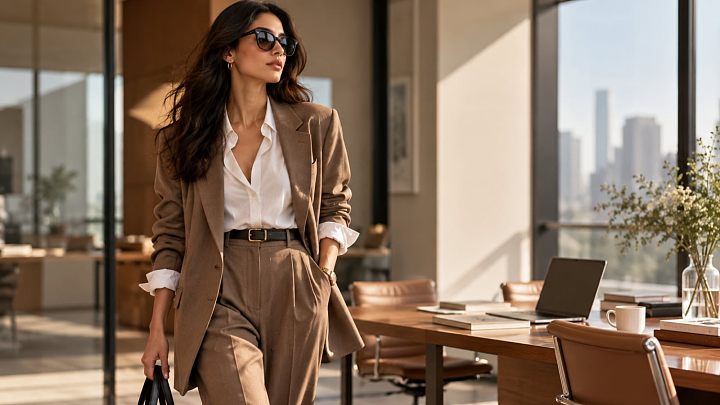
The Work Wardrobe Has Changed: What People Wear Instead of Formals
The corporate uniform is getting a rethink. In place of stiff suits and obligatory heels, today’s work wardrobe is embracing relaxed tailoring, elevated basics and pieces that look just as good after office hours.
Ni Consumer Trends Desk··5K nabasa
The Work Wardrobe Has Changed: What People Wear Instead of Formals
The corporate uniform is getting a rethink. In place of stiff suits and obligatory heels, today’s work wardrobe is embracing relaxed tailoring, elevated basics and pieces that look just as good after office hours.
There was a time when dressing for work meant dressing for the part. A sharply pressed shirt, tailored trousers, a structured blazer and shoes that clicked authoritatively down the corridor. The formula was familiar, dependable and, more often than not, rather predictable.
Then the boundaries between work and home began to blur. Video calls made dressing from the waist up an art form. Hybrid schedules changed how often people needed a full office wardrobe. And as employees returned to their desks, many brought a different attitude to getting dressed with them.
The question was no longer simply whether an outfit looked professional. It was whether it felt like something you would actually want to wear.
Today, the modern work wardrobe is less about abandoning formality altogether and more about loosening its rules. The blazer remains, but it might be oversized. The trousers are tailored, but they have room to move. A crisp shirt is just as likely to be paired with fluid trousers and loafers as it is with a matching suit.
In other words, workwear has become a little less corporate costume and a little more personal style.
The New Office Uniform Is Anything but Uniform
Fashion has always borrowed from the workplace, but the latest interpretation of office dressing is particularly interesting because it challenges the idea of a single, universally correct professional look.
The traditional corporate wardrobe was built around structure: matching suits, sharp shoulders, pencil skirts and formal shoes. Today’s approach is more flexible, combining those familiar elements with softer silhouettes, knitwear, relaxed denim and accessories that reflect individual taste.
British Vogue has documented this shift towards workwear that accommodates different personalities and working environments, while still looking considered. The modern office wardrobe is no longer one rigid dress code; it is a collection of pieces that can be styled in different ways.
A softly tailored blazer over a fine-knit top, for instance, can feel every bit as polished as a conventional suit. Wide-leg trousers paired with a fitted shirt offer a more relaxed silhouette without sacrificing structure. Even denim can have a place in less formal workplaces when the cut, wash and accompanying pieces feel intentional.
The trick is not to dress down indiscriminately. It is to understand which elements of an outfit create polish and which can be relaxed.
Enter Soft Tailoring: The Best of Both Worlds
If there is one trend that captures the new mood of workwear, it is soft tailoring.
Think blazers that skim rather than squeeze, trousers that fall fluidly instead of clinging, and waistcoats that can be worn alone or layered over a shirt. The emphasis is on proportion, fabric and movement rather than rigid construction.
The appeal is practical, but the aesthetic is equally important. Soft tailoring feels contemporary because it allows the wearer to move comfortably through a working day without looking as though they have simply arrived in their weekend clothes.
A beautifully cut blazer remains one of the hardest-working pieces in any wardrobe. Wear it with matching trousers for a presentation, throw it over a simple T-shirt for a creative meeting, or pair it with dark denim when the dress code allows.
The same logic applies to trousers. A well-fitting wide-leg or straight-leg pair can look sophisticated with a shirt, a lightweight knit or even a simple tank top beneath a jacket.
The investment is in versatility: fewer pieces that work harder.
The Shirt Has Left the Boardroom
The white shirt has long been a workwear staple, but it no longer needs to be tucked into perfectly pressed trousers to justify its place in the wardrobe.
An oversized cotton shirt worn with fluid tailoring feels relaxed but deliberate. A fine-striped shirt can introduce pattern without making an outfit feel busy. A slightly unbuttoned collar, rolled sleeves or an interesting cuff can make even the most straightforward combination feel more individual.
The secret is in the fit. A shirt that is too tight can feel dated, while one that is excessively oversized may overwhelm the rest of the outfit. Look for a silhouette that creates a little ease through the body while retaining a clean line at the collar and shoulders.
For a more modern approach, try tonal dressing: a pale-blue shirt with navy trousers, an ivory shirt with chocolate brown, or a white shirt with charcoal tailoring. These combinations look considered without requiring much effort.
Denim, Knitwear and the Art of Looking Effortless
The most noticeable change in office dressing may be the growing acceptance of pieces that once belonged firmly outside the workplace.
Dark, straight-leg jeans can work beautifully in creative offices and relaxed business-casual environments. Fine-gauge knitwear offers an alternative to the traditional shirt, particularly when layered under a blazer. A well-cut cardigan can replace a jacket on days when the full corporate uniform feels unnecessary.
But the distinction between relaxed and careless still matters. Denim with a clean finish, knitwear that holds its shape and shoes that look well maintained can make a casual outfit feel purposeful.
Consider a pair of dark jeans, a cashmere-blend sweater, a leather belt and polished loafers. None of these pieces is particularly complicated, yet together they create a look that feels sophisticated without being overly formal.
Of course, workplace expectations vary. A client-facing corporate role may still require conventional suiting, while a creative studio may welcome a much broader interpretation of office dressing. The aim is to work with your environment rather than follow a trend blindly.
Shoes and Bags Are Doing More of the Talking
When the clothing becomes simpler, accessories take on greater importance.
A polished leather loafer can make relaxed trousers look instantly more considered. A structured tote can lend authority to an otherwise casual outfit. A slim belt, an understated watch or a pair of elegant leather shoes can bring definition to a wardrobe built around neutral basics.
This is also where investment dressing makes sense. A good work bag should accommodate the practicalities of a working day, from a laptop and charger to a notebook and everyday essentials. Shoes should look smart but remain comfortable enough for commuting and hours on your feet.
The best accessories do not necessarily announce their price. Their value lies in the quality of the materials, the usefulness of the design and how often they earn a place in your daily rotation.
Rather than buying a different bag for every outfit, look for a versatile shape in a colour such as black, tan, chocolate or burgundy. The same approach applies to footwear: one excellent pair of loafers or Derby shoes may prove more useful than several trend-driven alternatives.
Five Premium Workwear Buys Worth Considering
The new work wardrobe is not about filling your cupboard with more clothes. It is about investing in pieces that can be styled repeatedly, mixed with what you already own and worn well beyond a single season.
These five options are available to look for on Amazon India, spanning tailored separates and polished footwear. Prices and stock can change, so check the current listing before purchasing.
1. FableStreet Women’s Formal Blazer and Trousers Set
A coordinated blazer and trouser set is still one of the most useful investments you can make, particularly if your working week includes presentations, meetings or client-facing occasions.
FableStreet’s formal set offers a more streamlined route to office dressing: wear the pieces together for a polished suit, or separate them to create more combinations with shirts, fine knits and other tailored trousers.
Style it with: A white shirt, understated jewellery and leather loafers for a modern take on classic office dressing.
Best for: Building a versatile formal-to-business-casual wardrobe.
2. Powersutra Women’s Navy Blue Formal Blazer and Trouser Co-Ord Set
For days when a sharper silhouette is appropriate, a navy co-ord set is an alternative to the ubiquitous black suit. Navy feels authoritative without being severe, and its colour works particularly well with white, pale blue, cream and burgundy.
Powersutra’s blazer-and-trouser combination is worth considering for a wardrobe that needs to move between everyday office dressing and more formal professional occasions.
Style it with: A fine-knit top and a structured tote. Keep the jewellery minimal and let the tailoring do the work.
Best for: Traditional offices, interviews and important meetings.
3. Louis Stitch Handcrafted European Leather Brogues
A pair of well-finished leather brogues offers a more characterful alternative to conventional formal shoes. Louis Stitch’s handcrafted European leather brogues bring a classic footwear silhouette into a work wardrobe that values polish without excessive formality.
Brogues work particularly well with tailored trousers, wool-blend suits and dark denim in workplaces where smart-casual dressing is acceptable.
Style them with: Charcoal trousers, a crisp shirt and a relaxed blazer.
Best for: A traditional leather-shoe option that works across formal and smart-casual settings.
4. Hush Puppies Street Derby Lace-Up Shoes
For those who prefer a cleaner, less decorative shoe, Hush Puppies’ Street Derby lace-ups are another option to explore. Derby shoes have a straightforward, versatile silhouette that works with suits but can also anchor a more relaxed combination of trousers and knitwear.
The brand’s established footwear focus makes it a useful name to consider when comfort and everyday wear matter as much as appearance.
Style them with: Straight-leg trousers, a tucked-in shirt and a leather belt in a complementary shade.
Best for: Everyday office wear and smart-casual dressing.
5. TAHVO Linen-Blend Two-Piece Blazer and Trouser Set
Not every work outfit needs to look as though it belongs in a boardroom. A linen-blend set offers a softer alternative for warm-weather dressing, especially when the office dress code permits lighter fabrics and more relaxed tailoring.
TAHVO’s two-piece blazer and trouser set is worth exploring if you want a coordinated look with a less rigid feel. Linen blends can bring texture and ease to a wardrobe that otherwise relies on conventional suiting.
Style it with: A simple cotton top, leather flats and a roomy tote. Choose understated accessories to keep the look polished.
Best for: Warm-weather offices and relaxed business-casual dressing.
How to Build a Work Wardrobe That Actually Works
Before investing in another blazer or pair of trousers, take a closer look at what you already own. A useful work wardrobe begins with a handful of pieces that complement one another, rather than a collection of outfits that only work in isolation.
Start with two or three colours that you enjoy wearing and can easily combine. Add a well-fitting blazer, two pairs of tailored trousers, a few shirts or fine knits, comfortable shoes and a bag that meets your everyday needs.
Then introduce personality through texture, proportion and accessories. Perhaps that means a softer trouser silhouette, a leather belt, a statement watch or a shirt in a colour you would not ordinarily choose.
The aim is not to make every outfit look identical. It is to make getting dressed easier while leaving room for personal expression.
And remember that expensive does not automatically mean better. Pay attention to fabric composition, construction, fit, care requirements and how frequently you are likely to wear a piece. A genuinely useful investment should earn its place in your wardrobe.
The New Dress Code Is Personal
Formal dressing is not disappearing. There will always be occasions when a sharp suit, a pressed shirt or a more traditional professional outfit is exactly the right choice.
What has changed is the assumption that professionalism requires one particular silhouette.
Today’s work wardrobe can accommodate a relaxed blazer, a beautifully cut pair of trousers, dark denim, fine knitwear and polished leather shoes. The balance depends on the workplace, the occasion and the person wearing them.
Perhaps that is the most interesting development in office fashion: dressing well is becoming less about conforming to a uniform and more about understanding what works for you.
The new work wardrobe is still polished. It is simply a little more comfortable in its own skin.