Navratri 2026 Ghatasthapana: Puja Time, Muhurat And Rituals, What Is The Right Time For Kalash Sthapana Today?
Navratri 2026 Ghatasthapana Puja Time, Muhurat and Rituals: Shardiya Navratri begins today, Sunday, October 11, with Ghatasthapana, also known as Kalash Sthapana. The ritual marks the beginning of the nine-day festival d
Ni Nibandh Vinod··21K nabasa
Navratri 2026 Ghatasthapana: Puja Time, Muhurat And Rituals, What Is The Right Time For Kalash Sthapana Today?
Navratri 2026 Ghatasthapana Puja Time, Muhurat and Rituals: Shardiya Navratri begins today, Sunday, October 11, with Ghatasthapana, also known as Kalash Sthapana. The ritual marks the beginning of the nine-day festival dedicated to Goddess Durga and her nine forms. Devotees perform this sacred ritual to invoke the Goddess, offer prayers and seek blessings for peace, prosperity and well-being.
According to Drik Panchang, the Ghatasthapana Muhurat in New Delhi is from 6:19 AM to 10:12 AM, while the Abhijit Muhurat is from 11:44 AM to 12:31 PM.
Read More: Navratri Colours 2026: Day-Wise List From October 11 To October 19
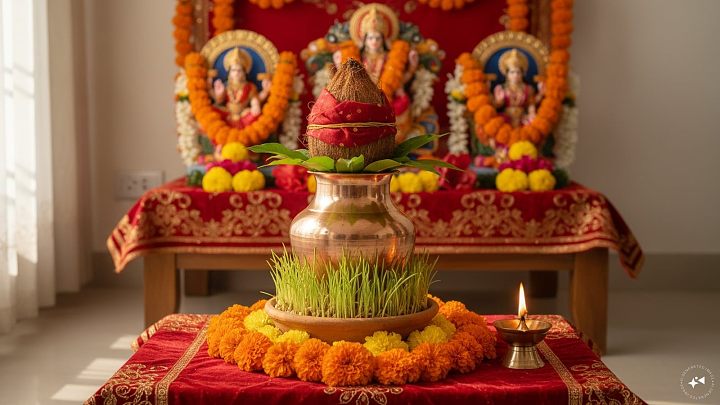
Ghatasthapana is one of the most important rituals of Shardiya Navratri. It involves establishing a sacred pot, or kalash, at the place of worship and sowing barley seeds in a pot of soil. The ritual symbolises the invocation of divine feminine energy and the beginning of the Navratri festivities.
Here is everything devotees need to know about the date, auspicious timings, Panchang details and traditional Ghatasthapana puja vidhi for Navratri 2026.
Navratri 2026 Ghatasthapana Date And Muhurat
Shardiya Navratri begins today, on October 11, 2026. Ghatasthapana is traditionally performed during an auspicious morning period while Pratipada Tithi is prevailing.
Morning Ghatasthapana Muhurat: 6:19 AM to 10:12 AM
Duration: 3 hours 52 minutes
Abhijit Muhurat: 11:44 AM to 12:31 PM
Duration: 46 minutes
Pratipada Tithi Begins: 9:19 PM on October 10
Pratipada Tithi Ends: 9:30 PM on October 11
City-Wise Ghatasthapana Muhurat For October 11, 2026
Ghatasthapana marks the beginning of Navratri worship.
Navratri 2026 Panchang
The Hindu Panchang provides the tithi, nakshatra and yoga associated with the beginning of Navratri. These details are traditionally considered when selecting the time for Ghatasthapana.
Tithi: Shukla Pratipada
Nakshatra: Chitra
Chitra Nakshatra begins: 9:42 PM on October 10
Chitra Nakshatra ends: 10:32 PM on October 11
Yoga: Vaidhriti
Vaidhriti Yoga begins: 10:02 PM on October 10
Vaidhriti Yoga ends: 9:05 PM on October 11
According to Drik Panchang, Chitra Nakshatra and Vaidhriti Yoga overlap with the morning Ghatasthapana period. Some traditional Panchang guidelines advise avoiding these combinations when possible. However, Drik Panchang notes that they are not absolute prohibitions for Ghatasthapana. Its guidance prioritises performing the ritual during the appropriate part of the day while Pratipada Tithi is prevailing.
Read More: Navratri 2026: 9 Forms Of Maa Durga, Names And Their Significance
Ghatasthapana Puja Vidhi: How To Perform Kalash Sthapana
Ghatasthapana marks the beginning of Navratri worship. The ritual generally involves purifying the puja area, sowing barley seeds, preparing the kalash and invoking Goddess Durga.
Clean And Purify The Puja Area
Clean the house and prepare a dedicated space for the Navratri altar. Place a clean wooden platform or chowki in the designated area and cover it with a fresh cloth. Sprinkle Ganga Jal, where customarily used, to purify the space before beginning the puja.
Prepare The Barley Pot
Take a clean earthen pot and spread a layer of soil in it. Sow barley seeds, commonly called jau, and cover them lightly with another layer of soil. Sprinkle a little water to moisten the soil.
The barley pot is an important part of Ghatasthapana. The seeds are watered during Navratri, and their growth is traditionally associated with prosperity, fertility and renewal.
Prepare The Sacred Kalash
Take a clean copper, brass or other traditionally used kalash. Fill it with clean water and add customary items such as a coin, betel nut, turmeric and a few grains of unbroken rice, known as akshat.
Arrange mango or Ashoka leaves around the mouth of the kalash, if available and customary. Place a coconut wrapped in red cloth or tied with a red sacred thread on top of the pot.
Install The Kalash
Place the prepared kalash securely on or near the barley pot. Ensure that the altar is stable and that the kalash will not be disturbed during the nine days of worship.
Read More: Navratri 2026 Day 1: Maa Shailputri Puja, Time, Colour, Bhog And Mantra
Invoke Goddess Durga
Begin the prayer by invoking Goddess Durga and seeking her blessings for the household. Offer flowers, incense, a lit diya, fruits and sweets as bhog. Devotees may recite Durga mantras, stotras or other prayers according to their tradition.
The invocation of the Goddess through the kalash is the central significance of Ghatasthapana.
Worship Goddess Shailputri On The First Day
The first day of Shardiya Navratri is dedicated to Goddess Shailputri, the first of the nine forms of Goddess Durga. Devotees offer prayers, flowers and traditional offerings while seeking strength, peace and spiritual well-being.
Continue Daily Navratri Worship
After Ghatasthapana, devotees perform morning and evening prayers throughout Navratri. Water the barley seeds as required, light a diya and keep the puja area clean.
Why Is Ghatasthapana Important During Navratri?
Ghatasthapana signifies the beginning of Navratri and the invocation of Goddess Shakti. The kalash is regarded as sacred in Hindu worship, while the barley seeds represent growth, renewal and abundance.
For devotees, the ritual provides an opportunity to begin the nine-day festival with prayer, discipline and devotion. During Navratri, worship is dedicated to the nine forms of Goddess Durga, with daily prayers, offerings and other observances varying across regions.
Navratri 2026: Goddess Arrival And Traditional Beliefs
According to a traditional belief associated with the weekday on which Navratri begins, Goddess Durga’s symbolic vehicle for her arrival in 2026 is an elephant because the festival starts on a Sunday. The elephant is associated with rainfall, prosperity and abundance.