Navratri 2026 Day 5: Maa Skandamata, Puja Time, Colour, Bhog, Mantra, And How To Worship The Fifth Form Of Goddess Durga?
Navratri Day 5 2026 Maa Skandamata Puja Time, Colour, Bhog and Mantra: Sharad Navratri Day 5 will be celebrated on Thursday, October 15, 2026, with devotees worshipping Maa Skandamata, the fifth form of Goddess Durga. Th
Ni Nibandh Vinod··14K nabasa
Navratri 2026 Day 5: Maa Skandamata, Puja Time, Colour, Bhog, Mantra, And How To Worship The Fifth Form Of Goddess Durga?
Navratri Day 5 2026 Maa Skandamata Puja Time, Colour, Bhog and Mantra: Sharad Navratri Day 5 will be celebrated on Thursday, October 15, 2026, with devotees worshipping Maa Skandamata, the fifth form of Goddess Durga. The day comes after the worship of Maa Kushmanda on Navratri Day 4 and marks an important point in the nine-day festival, as devotees continue their prayers and rituals in honour of the divine feminine.
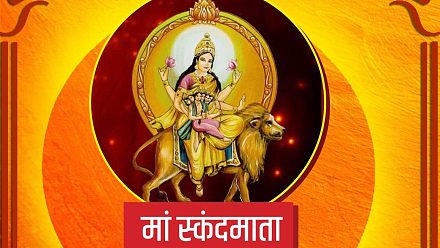
Maa Skandamata is worshipped as the mother of Lord Kartikeya, also known as Skanda. Her form represents maternal love, courage, compassion and protection. She is traditionally depicted holding young Skanda in her lap while seated on a lotus.
According to Drik Panchang, the colour associated with the day is yellow.
Here is everything to know about Navratri 2026 Day 5, including the date, Panchami Tithi, Maa Skandamata’s significance, puja time, colour, bhog, mantra and traditional puja practices.
Navratri 2026 Day 5
Navratri Day 5 will be celebrated on Thursday, October 15, 2026.
The day corresponds to Ashwin Shukla Panchami and is dedicated to Maa Skandamata, the fifth form of Navdurga.
According to Drik Panchang:
Panchami Tithi begins: October 15, 2026, at 1:14 AM
Panchami Tithi ends: October 16, 2026, at 3:19 AM
Who Is Maa Skandamata?
Maa Skandamata is worshipped as the fifth form of Goddess Durga during Sharad Navratri.
The name Skandamata refers to her role as the mother of Skanda, another name for Lord Kartikeya. In Hindu tradition, Kartikeya is regarded as a warrior deity and the commander of the divine army.
Maa Skandamata’s imagery emphasises her role as a mother who combines affection with strength and protection.
Read More: Navratri 2026 Ghatasthapana: Date, Time, Muhurat And Puja Vidhi
She is traditionally depicted with four arms. Two hands hold lotus flowers, while another hand is associated with holding young Skanda. Her fourth hand is shown in a blessing gesture.
She is commonly portrayed seated on a lotus, giving rise to the name Padmasana or Padmasini in traditional descriptions.
Navratri 2026 Day 5 Colour
The Navratri colour for Day 5 in 2026 is yellow.
Yellow is traditionally associated with happiness, optimism, warmth and spiritual illumination. It is also linked with auspiciousness and is commonly used during festive worship.
Devotees may wear yellow clothes or use yellow flowers and decorations during Maa Skandamata Puja.
Read More: Navratri Colours 2026: Day-Wise List From October 11 To October 19
Maa Skandamata Bhog
Banana is the traditional offering associated with Maa Skandamata.
Devotees may offer fresh ripe bananas or sweets prepared with banana as part of the naivedyam.
Other fruits and customary offerings may also be included depending on family and regional traditions.
The exact bhog and puja samagri can differ among households, temples and communities.
Maa Skandamata Puja Vidhi
Take a bath and wear clean clothes before beginning the puja.
Clean the puja area and prepare the altar.
Light a diya and begin with prayers to Lord Ganesha.
Offer prayers to the Kalash and Akhand Jyoti established during Ghatasthapana.
Offer flowers, kumkum, sandalwood and other traditional puja items.
Present bananas, fruits and other customary offerings as bhog.
Recite the Maa Skandamata mantra and other prayers.
Perform aarti and seek blessings for peace, strength and well-being.
Distribute the bhog as prasad among family members and devotees.
Maa Skandamata Mantra
The primary mantra associated with Maa Skandamata is:
ॐ देवी स्कन्दमातायै नमः॥
(Om Devi Skandamatayai Namah)
Devotees may recite this mantra during Maa Skandamata Puja on Navratri Day 5.
Maa Skandamata Dhyan Mantra
A traditional dhyan or stuti verse associated with Maa Skandamata is:
सिंहासनगता नित्यं पद्माश्रितकरद्वया।
शुभदास्तु सदा देवी स्कन्दमाता यशस्विनी॥
(Simhasanagata Nityam Padmashritakaradvaya
Shubhadastu Sada Devi Skandamata Yashasvini)
Devotees may recite the verse during the worship of Maa Skandamata.
Navratri 2026 Day 5 Puja Time
According to Drik Panchang, Panchami Tithi begins at 1:14 AM on October 15 and ends at 3:19 AM on October 16, 2026.
The Legend of Maa Skandamata
Maa Skandamata’s story is closely connected with the birth and victory of Lord Kartikeya.
According to Hindu mythology, the demon Tarakasura performed intense penance and received a boon from Lord Brahma that made him extremely difficult to defeat. He could be killed only by a son of Lord Shiva.
At the time, Lord Shiva was living a life of deep meditation following the death of his first wife, Sati. Tarakasura believed that Shiva would never marry again and therefore considered himself effectively invincible.
With the protection of his boon, Tarakasura challenged the gods and caused widespread disruption.
The gods eventually sought the return of Lord Shiva to worldly life. Shiva married Goddess Parvati, and their divine union resulted in the birth of Skanda, or Kartikeya.
Kartikeya later became the commander of the divine army and fought Tarakasura.
He defeated the demon, restoring peace and ending the threat posed to the gods.
Maa Skandamata is associated with the motherly aspect of Goddess Parvati that nurtures and protects Skanda.
What Does Maa Skandamata Symbolise?
Maa Skandamata represents the combination of maternal affection and protective strength.
Her image of holding young Kartikeya conveys the idea of divine motherhood, care and guidance. At the same time, her association with a warrior deity highlights courage and the power to overcome adversity.
Devotees traditionally worship her seeking peace, prosperity, strength and blessings for their families.
Her form also reflects the belief that compassion and strength can exist together.
Why Is Maa Skandamata Seated on a Lotus?
Maa Skandamata is traditionally shown seated on a lotus. Because of this imagery, she is also associated with the name Padmasana Devi.
The lotus has an important place in Hindu religious symbolism and is commonly associated with purity, spiritual awakening and transcendence.
Her lotus seat therefore adds another layer to the symbolism of the fifth day of Navratri.
Significance of Yellow Colour on Day 5
Yellow is the colour associated with Navratri Day 5 in 2026. The colour is traditionally connected with happiness, optimism, warmth and spiritual illumination.
Devotees may wear yellow clothing, offer yellow flowers or decorate their puja space with yellow elements.
Maa Skandamata and the Fifth Day of Navratri
The first five days of Navratri introduce devotees to different manifestations of Goddess Durga.
Maa Shailputri is worshipped on Day 1, Maa Brahmacharini on Day 2, Maa Chandraghanta on Day 3, Maa Kushmanda on Day 4 and Maa Skandamata on Day 5.
The fifth day shifts the focus towards motherhood and protection through the image of Goddess Parvati holding young Skanda.
Her form brings together the qualities of a nurturing mother and the strength associated with a divine warrior.
Navratri 2026 Day 5
Navratri Day 5 will be observed on October 15, with devotees across India worshipping Maa Skandamata, the fifth form of Navdurga.
The day is associated with the colour yellow, while bananas are among the traditional offerings associated with the goddess. Devotees may also recite the Maa Skandamata mantra and perform aarti as part of their worship.