Mumbai Heatwave: 5 Tips To Keep Your Indoor Plants Healthy As Temperatures Soar
As temperatures rise across Mumbai, the heat can take a toll not just on people but also on the plants growing inside our homes and on balconies. Strong afternoon sunlight, hot winds, dry indoor air and rapidly drying so
Ni Abigail Banerji··10K nabasa
Mumbai Heatwave: 5 Tips To Keep Your Indoor Plants Healthy As Temperatures Soar
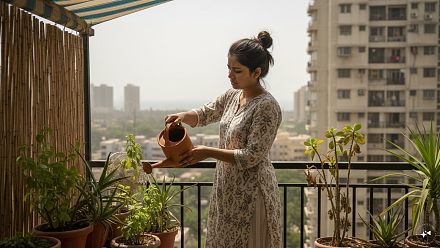
As temperatures rise across Mumbai, the heat can take a toll not just on people but also on the plants growing inside our homes and on balconies. Strong afternoon sunlight, hot winds, dry indoor air and rapidly drying soil can leave houseplants looking wilted, with yellowing leaves and brown edges. While some plants thrive in warm conditions, prolonged exposure to intense heat can stress even hardy varieties.
The good news is that a few simple changes to your plant-care routine can help them cope with rising temperatures. Here are five tips to keep your indoor plants healthy during a heatwave.
Adjust Your Watering Routine
During a heatwave, soil can dry out faster than usual, particularly in small pots or those placed on sunny balconies. However, watering plants more frequently without checking the soil can lead to waterlogging and root rot.
Before watering, check the top layer of soil with your finger. If it feels dry, water the plant thoroughly until excess water drains through the bottom of the pot. Empty any water collected in the saucer so the roots are not left sitting in it. The ideal watering frequency depends on the plant species, pot size, soil type and location. Plants exposed to more sunlight may need water more often than those kept in shaded indoor spaces.
Protect Plants From Harsh Afternoon Sunlight
Sunlight is essential for plant growth, but intense afternoon rays can scorch leaves, particularly in plants that prefer indirect light. If your plants sit near a south- or west-facing window or on an exposed balcony, consider moving them to a spot with bright, indirect light during the hottest part of the day.
Sheer curtains can help filter strong sunlight indoors. On balconies, a shade net can offer additional protection for sensitive plants. Avoid moving all your plants into deep shade, though, as many still need adequate light to thrive. Watch out for bleached patches, brown edges and crispy leaves, which may indicate sun damage.
Improve Air Circulation And Manage Humidity
Hot, stagnant air can make conditions uncomfortable for plants, particularly in enclosed rooms. Keep the space ventilated when outdoor conditions allow, and avoid placing pots directly beside hot appliances or air-conditioner vents.
While air-conditioning can make indoor spaces more comfortable, cold air blowing directly onto leaves may stress some plants. Position pots away from direct airflow.
Misting is not a universal solution to heat stress. In Mumbai’s humid weather, frequent misting may do little to increase humidity and can leave foliage wet for long periods. Instead, group plants with similar needs together, while ensuring there is enough space between them for air to circulate.
Avoid Fertilising Stressed Plants
It may be tempting to give your plants extra nutrients when they start looking weak, but fertilising during severe heat stress can do more harm than good. High temperatures and water stress can affect how plants absorb nutrients, while excess fertiliser can damage roots.
If a plant is wilting or showing signs of heat stress, focus first on providing suitable light, moisture and drainage. Resume fertilising according to the plant’s normal growing-season requirements once it has recovered and is actively growing. Also, avoid repotting plants during extreme heat unless it is necessary, as the process can add further stress to the roots.
Check Your Plants Regularly For Signs Of Heat Stress
During a heatwave, make it a habit to inspect your plants daily. Look for drooping leaves, unusually dry soil, yellowing foliage, brown tips and signs of pests. Plants in terracotta pots may dry out faster than those in plastic or glazed ceramic containers, so pay particular attention to them.
If a plant wilts during the afternoon but recovers in the evening, it may be struggling with temporary heat stress. Check the soil before watering, as wilting can occur even when the roots are sitting in overly wet soil. Remove only leaves that are completely dead or badly damaged, and avoid heavy pruning while the plant is stressed.
Keeping houseplants healthy during a heatwave is less about watering them constantly and more about maintaining the right balance of moisture, light and airflow. By observing your plants and adjusting their care to suit the weather, you can help them stay healthy even when temperatures soar.