Gujarati New Year 2026: Vikram Samvat 2083 Date, Muhurat And Bestu Varas Traditions
Gujarati New Year 2026 Date: Gujarati New Year, popularly known as Bestu Varas or Nutan Varsh, will be celebrated on Tuesday, November 10, marking the beginning of Vikram Samvat 2083 according to the Gujarati calendar. O
Ni Nibandh Vinod··20K nabasa
Gujarati New Year 2026: Vikram Samvat 2083 Date, Muhurat And Bestu Varas Traditions
Gujarati New Year 2026 Date: Gujarati New Year, popularly known as Bestu Varas or Nutan Varsh, will be celebrated on Tuesday, November 10, marking the beginning of Vikram Samvat 2083 according to the Gujarati calendar. Observed on Kartik Shukla Pratipada, the festival brings together families, business communities and devotees to welcome a new year with prayers, gratitude, prosperity and fresh beginnings.
The occasion follows Diwali celebrations and is among the most significant cultural festivals for the Gujarati community. From visiting temples and exchanging greetings to preparing festive delicacies and seeking blessings from elders, Bestu Varas is celebrated with enthusiasm across Gujarat and by Gujarati communities worldwide.
Here is everything you need to know about Gujarati New Year 2026, including its date, historical background, religious significance, auspicious timings, rituals and celebrations.
Gujarati New Year 2026: Date And Tithi
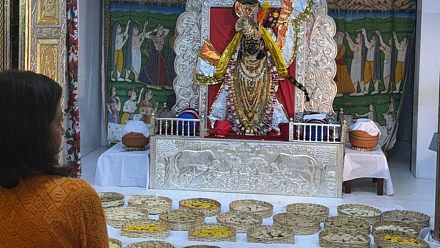
Devotees offer prayers during Gujarati New Year celebrations, seeking blessings for peace, happiness and prosperity in Vikram Samvat 2083.
Gujarati New Year will be celebrated on Tuesday, November 10, 2026. The day marks the beginning of Vikram Samvat 2083 under the traditional Kartikadi calendar followed in Gujarat.
The festival falls on Kartik Shukla Pratipada, also known as Kartak Sud Ekam, the first day of the bright fortnight of the Hindu month of Kartik.
According to Drik Panchang, the Pratipada Tithi begins at 12:31 PM on November 9 and ends at 2 PM on November 10, 2026.
Why Is Gujarati New Year Celebrated On A Different Date?
A Gujarati family comes together to celebrate Bestu Varas, welcoming the New Year with joy, happiness and hopes for prosperity.
One interesting aspect of the Indian calendar is that different regions follow different traditions to mark the beginning of a new year.
In many parts of northern and western India, the Hindu New Year begins on Chaitra Shukla Pratipada. The occasion is celebrated as Gudi Padwa in Maharashtra and Ugadi in Karnataka, Andhra Pradesh and Telangana. In 2026, these festivals fell on March 19.
However, Gujarat follows the Kartikadi calendar tradition, under which the New Year begins on Kartik Shukla Pratipada, following the Diwali Amavasya period.
This is why Gujarati New Year 2026 falls on November 10, even though the Chaitra-based Hindu New Year was observed earlier in March.
The difference reflects India’s diverse regional calendar traditions rather than a disagreement over the date of the festival.
Vikram Samvat 2083: History And Origin
Vikram Samvat is one of India’s traditional calendar systems and is widely used for determining religious festivals, auspicious occasions and important dates.
The calendar is traditionally associated with King Vikramaditya, the legendary ruler of Ujjain. According to popular tradition, the era was established in his honour following his victory over the Sakas.
The Vikram Samvat era is commonly described as being approximately 57 years ahead of the Gregorian calendar, although the precise year-number relationship depends on the month and the calendar convention being followed.
The year 2026 corresponds to Vikram Samvat 2083 under the Gujarati Kartikadi reckoning.
The calendar continues to hold cultural and religious importance across several Indian communities, particularly for observing festivals, ceremonies, weddings and other auspicious occasions.
Religious And Spiritual Significance Of Bestu Varas
Bestu Varas represents more than the arrival of another calendar year. It is associated with renewal, prosperity, forgiveness and the opportunity to begin afresh.
For many Gujarati families, the occasion is a time to leave behind misunderstandings, resolve differences and strengthen relationships.
The festival also carries an association with Govardhan Puja, which is observed on Kartik Shukla Pratipada in several traditions.
According to Hindu mythology, Lord Krishna lifted Govardhan Hill on his little finger to protect the people of Gokul and their cattle from torrential rains sent by Lord Indra. The episode is remembered as a symbol of divine protection, faith, humility and the importance of nature.
Govardhan Puja is observed with prayers and food offerings, with devotees expressing gratitude for nature, agriculture, cattle and the resources that sustain life.
For Gujarati households, the New Year is also an occasion to pray for health, happiness, financial stability and success in the coming year.
Gujarati New Year 2026: Auspicious Muhurat And Panchang Timings
The festival is observed on Kartik Shukla Pratipada. Devotees generally begin the day with an early bath, prayers and visits to temples.
According to Drik Panchang, the Pratipada Tithi timings are:
Pratipada Tithi begins: 12:31 PM on November 9, 2026.
Pratipada Tithi ends: 2 PM on November 10, 2026.
The tithi timings are not the same as a specific puja Muhurat. The auspicious period for individual rituals may depend on the local Panchang, sunrise, Choghadiya and the nature of the ceremony.
Gujarati New Year Traditions And Rituals
Bestu Varas is celebrated through several customs that reflect the religious beliefs, business traditions and family values of the Gujarati community.
Early Morning Prayers And Temple Visits
Many families begin the New Year with an early morning bath, fresh clothes and prayers at home. They also visit temples to seek blessings from their preferred deities for a peaceful and prosperous year.
Rangoli And Toran Decorations
Homes are cleaned and decorated before the festival. Colourful rangolis are drawn at entrances, while torans made of flowers, mango leaves and decorative materials are used to welcome guests and symbolise auspicious beginnings.
Chopda Pujan And Business Traditions
Chopda Pujan is one of the most important Diwali traditions among Gujarati business communities.
Chopdas are traditional account books used by traders and business owners. During Diwali Lakshmi Puja, old account books are closed and new ledgers are worshipped in the presence of Goddess Lakshmi and Lord Ganesha.
Read More: Diwali 2026: What Is Chopda Pujan? Significance And Business Traditions
Auspicious symbols and words such as Shubh and Labh are traditionally written in the new account books, with prayers for financial stability and business growth.
Although closely associated with the Gujarati New Year season, Chopda Pujan is traditionally performed on Diwali rather than on Bestu Varas itself.
Seeking Blessings From Elders
Respect for elders is an important part of the celebration. Younger family members visit parents, grandparents and relatives to seek their blessings.
Family gatherings and exchanging sweets help strengthen relationships and bring generations together.
Exchanging New Year Greetings
People greet one another with traditional expressions such as ‘Saal Mubarak’ and ‘Nutan Varshabhinandan’.
These greetings convey wishes for happiness, good health, peace and prosperity in the coming year.
How Is Gujarati New Year Celebrated?
The festival is celebrated with enthusiasm across Gujarat, particularly in Ahmedabad, Surat, Vadodara, Rajkot and other cities with strong Gujarati cultural traditions.
Families wear new clothes, visit temples, prepare festive meals and meet relatives and friends.
Markets and residential areas are decorated, while community gatherings and cultural programmes add to the festive atmosphere.
For Gujarati business communities, the New Year also marks an important period in the traditional financial calendar. Many businesses take the opportunity to renew their records, seek blessings and prepare for the year ahead.
The celebrations extend beyond Gujarat, with Gujarati communities in Mumbai, other Indian cities and overseas destinations observing the festival with equal enthusiasm.
Traditional Food And Festive Celebrations
Food is an important part of every Indian festival, and Bestu Varas is no exception.
Gujarati households prepare traditional dishes and sweets to celebrate the occasion. Depending on family and regional customs, festive menus may include puran poli, shrikhand, farsan, sweets and elaborate Gujarati thalis.
Sharing food with relatives, neighbours and friends is an important part of the celebration.
Some families also prepare special offerings for their deities before enjoying the festive meal together.
Bestu Varas 2026: A Celebration Of New Beginnings
Gujarati New Year is a celebration of heritage, faith, family and fresh opportunities. The beginning of Vikram Samvat 2083 offers an occasion to reflect on the past year, express gratitude and welcome the future with optimism.
From temple visits and traditional greetings to business prayers and family celebrations, Bestu Varas continues to preserve the cultural identity of the Gujarati community.
As families welcome the New Year on November 10, the festival serves as a reminder that every new beginning brings an opportunity to strengthen relationships, embrace positivity and work towards a prosperous future.