Chhath Puja 2026: Who Is Chhathi Maiya? Know The Story, History And Significance
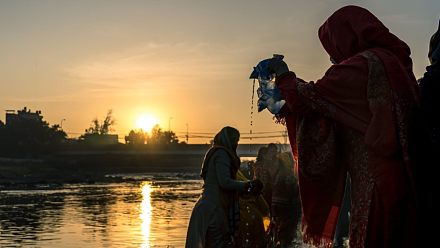
Chhath Puja 2026: Chhath Puja is one of the most significant Hindu festivals dedicated to the worship of Lord Surya (the Sun God) and Chhathi Maiya. Celebrated with devotion and traditional rituals, the four-day festival
Ni Nibandh Vinod··16K nabasa
Chhath Puja 2026: Who Is Chhathi Maiya? Know The Story, History And Significance
Chhath Puja 2026: Chhath Puja is one of the most significant Hindu festivals dedicated to the worship of Lord Surya (the Sun God) and Chhathi Maiya. Celebrated with devotion and traditional rituals, the four-day festival involves fasting, prayers and offerings to the setting and rising Sun.
While Surya Dev is worshipped as the source of life and energy, Chhathi Maiya is revered as the divine mother and protector of children.
But who exactly is Chhathi Maiya, and why do devotees worship her during Chhath Puja?
According to Hindu religious traditions, Chhathi Maiya is closely associated with Goddess Shashthi, who is believed to protect children, bless families with offspring and ensure the well-being of newborns.
Read More: Chhath Puja 2026: Why Devotees Worship The Setting And Rising Sun
Her identity and origin are explained through different mythological traditions and regional beliefs. Some traditions associate her with Devasena, while popular Chhath beliefs also connect her with Surya Dev.
Chhath Puja 2026 will be celebrated from November 13 to November 16. As devotees prepare for the festival, here is a look at who Chhathi Maiya is, her mythological story, the history of Chhath Puja and why she holds such an important place in Hindu traditions.
Chhath Puja celebrates devotion to the Sun God and Chhathi Maiya through traditional rituals, fasting and offerings.
Who Is Chhathi Maiya?
Chhathi Maiya is a revered mother goddess worshipped during Chhath Puja, particularly in Bihar, Jharkhand, eastern Uttar Pradesh and neighbouring regions. She is widely associated with Goddess Shashthi, the divine protector of children and infants.
According to Hindu mythology, Goddess Shashthi is considered a manifestation of Prakriti, the primordial feminine energy. She is believed to bless couples with children, protect newborn babies and grant long life and good health to young ones.
The name Chhathi Maiya has its roots in the Sanskrit word Shashthi, which means the sixth day of the lunar fortnight. The word Maiya is an affectionate term for mother. Her worship is therefore associated with the sixth lunar day and the protection and well-being of children.
In the Devi Bhagavata Purana, Goddess Shashthi is described as a manifestation of Prakriti and the presiding deity of children. She is also identified as Devasena and described as the wife of Lord Skanda, also known as Kartikeya.
In the popular traditions of Chhath Puja, Chhathi Maiya is also regarded as closely connected to Surya Dev. Some regional beliefs describe her as his sister. These associations vary across religious texts and local traditions.
Chhathi Maiya Story: What Does Hindu Mythology Say?
Devotees observe Chhath Puja with prayers and offerings to the setting and rising Sun, seeking the blessings of Chhathi Maiya.
One of the important mythological accounts associated with Goddess Shashthi appears in the ninth Skandha of the Devi Bhagavata Purana.
According to this account, Goddess Shashthi emerged from the sixth part of Prakriti, the primordial divine energy. She became known as the protector of children and the goddess who blesses families with offspring and safeguards infants.
The Purana also narrates the story of King Priyavrata, which explains the importance of worshipping Goddess Shashthi.
The Story of King Priyavrata and Goddess Shashthi
According to the Devi Bhagavata Purana, King Priyavrata was the son of Swayambhuva Manu. He and his wife, Queen Malini, were unable to have children for many years.
Following the advice of Sage Kashyapa, the king performed a special yajna to seek the blessing of a child. Eventually, Queen Malini gave birth to a son. However, the child was born lifeless, leaving the royal couple devastated.
Overcome with grief, King Priyavrata took the infant’s body to the cremation ground. At that moment, Goddess Shashthi appeared before him in a divine form.
She introduced herself as Devasena, the daughter of Lord Brahma and the wife of Lord Skanda. She was known as the goddess who protects children and blesses parents with offspring.
Read More: Chhath Puja 2026: Complete Samagri List – What Items Are Required For Worship?
Moved by the king’s sorrow, the goddess revived the child and blessed the royal family.
She also instructed the king to establish her worship on the sixth day of the lunar fortnight and during important occasions associated with childbirth and children’s well-being.
The story is traditionally understood as an explanation of why Goddess Shashthi is worshipped as the protector of children and why devotees seek her blessings for the health, happiness and longevity of their offspring.
What Is the Connection Between Chhathi Maiya and Surya Dev?
Chhathi Maiya is revered as the protector of children and families, holding a special place in Chhath Puja traditions. (Image: Shutterstock)
Chhath Puja is dedicated to both Surya Dev and Chhathi Maiya. The Sun is worshipped as the source of light, energy and life, while Chhathi Maiya is revered as a protective mother goddess.
In popular religious traditions, Chhathi Maiya is often regarded as the sister of Surya Dev. This belief is particularly prominent in the devotional practices and folk traditions associated with Chhath in Bihar and eastern Uttar Pradesh.
The festival brings together the worship of the Sun and the goddess through offerings made during sunset and sunrise.
Devotees believe that worshipping Surya Dev and Chhathi Maiya brings happiness, prosperity, good health and protection to their families.
The association also reflects the importance of nature and motherhood in traditional religious beliefs.
Chhath Puja History: How Did the Festival Begin?
Chhath Puja is widely regarded as an ancient Hindu festival associated with the worship of the Sun. Its precise historical origin is difficult to establish, but sun worship has a long history in Indian religious traditions.
The Sun has held an important position in Hindu scriptures and is revered as Surya Dev, the provider of light, warmth and energy. Ancient traditions include prayers and rituals dedicated to the Sun, recognising its importance in sustaining life on Earth.
Chhath Puja is particularly associated with Bihar, Jharkhand, eastern Uttar Pradesh and parts of Nepal. Over time, the festival has become an important expression of regional culture, faith and community traditions.
Unlike many other Hindu festivals, Chhath Puja places special emphasis on worshipping both the setting and rising Sun. Devotees observe strict fasting, maintain traditional practices and offer arghya while standing in water.
Several mythological stories are associated with the festival. These include accounts involving Lord Rama and Goddess Sita, Karna and the Pandavas. These stories are popular in regional traditions, although their details vary across different versions.
Chhath Puja Legends in Ramayana and Mahabharata
Lord Rama and Goddess Sita
According to popular Hindu traditions, Lord Rama and Goddess Sita observed a Sun-worship ritual after returning to Ayodhya following their exile.
Some regional accounts associate their worship with Chhath Puja and describe how they offered prayers to Surya Dev to seek blessings and prosperity.
This story is commonly shared during Chhath celebrations, particularly in devotional narratives. However, the association is best understood as a popular religious tradition rather than a universally established account of the festival’s origin in the Ramayana.
Karna and Surya Dev
Karna, one of the central characters in the Mahabharata, was the son of Surya Dev and Kunti.
He was known for his devotion to the Sun God and is traditionally associated with offering prayers to Surya. According to popular accounts, Karna performed Sun worship while standing in water and offering arghya.
His devotion is often connected with the traditions of Chhath Puja, which similarly involve offerings to the setting and rising Sun.
Draupadi and the Pandavas
Another popular legend connects Chhath Puja with Draupadi and the Pandavas.
According to regional folklore, Draupadi observed a fast and worshipped Surya Dev during a difficult period in the Pandavas’ lives. It is believed that her prayers helped them overcome hardships and regain prosperity.
This account is also shared as part of the festival’s devotional traditions, although it should not be treated as a single universally accepted origin story of Chhath.
Why Is Chhathi Maiya Worshipped During Chhath Puja?
Chhathi Maiya is worshipped because she is traditionally regarded as the protector of children and the goddess who blesses families with happiness and well-being.
Devotees seek her blessings for several reasons:
Children’s Health and Long Life: Parents pray for the good health, safety and longevity of their children.
Blessings of Parenthood: Couples seek the goddess’s blessings for children and family happiness.
Family Prosperity: Devotees believe her blessings bring peace, prosperity and well-being to the household.
Protection of Newborns: Goddess Shashthi is traditionally worshipped for the protection and healthy development of infants.
Spiritual Strength: The rituals and fasting associated with Chhath Puja are believed to promote discipline, devotion and inner strength.
Although women traditionally undertake the rigorous Chhath fast in many families, men also participate in the rituals and prayers. The festival is observed collectively by families and communities.
Chhath Puja 2026: Four-Day Ritual Calendar
Chhath Puja is observed over four days during the Kartik month. Each day has a distinct ritual and religious significance. In 2026, the festival will be celebrated from November 13 to November 16.
Read More: Chhath Puja 2026: Date, Calendar, Shashthi Tithi, Sunrise And Sunset Timings
November 13, Friday – Nahay Khay
The festival begins with Nahay Khay. Devotees take a ritual bath, clean their homes and prepare a traditional meal. Cleanliness and purity are important aspects of the observance.
November 14, Saturday – Lohanda and Kharna
On the second day, devotees observe a fast during the day and prepare traditional offerings after sunset. Kheer and chapati are commonly prepared as prasad. After the evening rituals, the main period of fasting begins.
November 15, Sunday – Sandhya Arghya
The third day is dedicated to offering arghya to the setting Sun. Devotees gather near rivers, ponds and other water bodies with bamboo baskets containing fruits, thekua and other traditional offerings.
November 16, Monday – Usha Arghya and Parana
The festival concludes with Usha Arghya, when devotees offer prayers to the rising Sun. After completing the morning rituals, they break their fast according to family and regional traditions.
Sunrise and sunset timings for arghya differ from one city to another, so devotees should consult their local panchang.
What Is the Significance of Chhathi Maiya in Chhath Puja?
Chhathi Maiya represents motherhood, protection, fertility and the well-being of children in popular Hindu religious traditions.
Her worship during Chhath Puja reflects the belief that family happiness and children’s health are important blessings. Devotees express their gratitude through fasting, prayers and traditional offerings.
The festival also highlights the relationship between human life and nature. By worshipping Surya Dev during both sunset and sunrise, devotees acknowledge the Sun’s role in sustaining life and supporting the natural cycle of day and night.
Another important aspect of Chhath Puja is its emphasis on simplicity, discipline and community participation. Families prepare offerings together, visit water bodies and participate in rituals that have been passed down through generations.
Chhathi Maiya holds a special place in Chhath Puja as the revered mother goddess associated with the protection of children and family well-being. Her connection with Goddess Shashthi, as described in the Devi Bhagavata Purana, explains why devotees seek her blessings for the health, happiness and long life of their children.
Alongside Surya Dev, she is worshipped through traditional rituals, fasting and offerings made to the setting and rising Sun.
As Chhath Puja 2026 approaches, the festival offers an opportunity for devotees to celebrate faith, family bonds, gratitude towards nature and traditions that have continued across generations.