Cast Iron, Steel Or Hard-Anodised? Best Kadhais Under ₹1,500 For Frying Chakli And Mithai
There is something about festive cooking that makes a regular kadhai work overtime. One minute it is frying a batch of chakli, the next it is making namak pare, and before you know it, the same pan is being used for guji
Ni Consumer Trends Desk··6K nabasa
Cast Iron, Steel Or Hard-Anodised? Best Kadhais Under ₹1,500 For Frying Chakli And Mithai
There is something about festive cooking that makes a regular kadhai work overtime. One minute it is frying a batch of chakli, the next it is making namak pare, and before you know it, the same pan is being used for gujiya, shakkarpara or a round of homemade mithai. When several batches need to be fried in succession, the choice of cookware can make a surprising difference.
But should you pick a traditional cast-iron kadhai, a stainless-steel one or a hard-anodised model? All three have their advantages, and none is automatically the right choice for every kitchen. The decision comes down to how you fry, how much you cook at a time and how much maintenance you are willing to take on.
If you are shopping on a budget of Rs 1,500, there are options across all three categories. The trick is to look beyond the finish and pay attention to the construction, thickness, depth and capacity.
Cast iron: For those who like steady heat and traditional frying
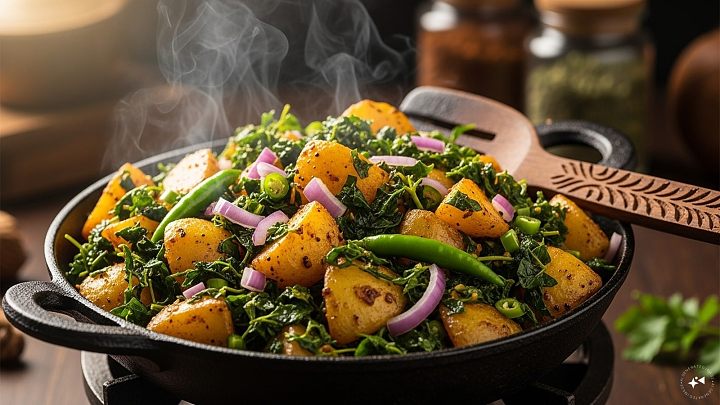
Cast iron has a certain old-school appeal, particularly when it comes to Indian festive cooking. It is heavy, sturdy and known for retaining heat for longer than many lighter cookware materials. This can be useful when you are frying several batches of chakli or namak pare, as the oil temperature is less likely to fluctuate dramatically once the kadhai has heated up.
That said, cast iron takes time to heat up. It is also considerably heavier than stainless steel or hard-anodised aluminium, which matters when you are handling a kadhai filled with hot oil. It needs to be seasoned and dried properly after washing to prevent rusting. Leaving it wet or storing it without adequate care is not a good idea.
For frying sweets and savouries, choose a reasonably deep model with a stable base and comfortable handles. Also remember that cast iron’s heat retention is an advantage, but it does not mean you can leave the oil unattended. Temperature control is still important.
Best for: Frequent frying, traditional cooking and people who don’t mind a little maintenance.
Stainless steel: The practical everyday option
Stainless steel is often the easiest choice for a household that wants one kadhai for several kinds of cooking. It does not require seasoning, is relatively straightforward to clean and is less demanding to maintain than cast iron.
However, not all stainless-steel kadhais are made alike. A thin, single-layer model can develop hot spots, which may cause food to brown unevenly. For frying, look for a heavy or encapsulated base, preferably with a multi-layer construction that helps distribute heat more evenly.
Stainless steel also requires a little attention when heating oil. Allow the kadhai to heat gradually, monitor the temperature and avoid dropping too much food into it at once. Adding several cold batches together can bring down the oil temperature and leave snacks greasy.
Its biggest advantage is versatility. The same kadhai can be used for frying chakli, preparing savoury mixtures, making gravies and cooking everyday meals without worrying about seasoning or damaging a specialised finish.
Best for: Households looking for easy maintenance, versatility and a kadhai that can handle everyday cooking as well as festive frying.
Hard-anodised aluminium: Lightweight, quick and convenient
If cast iron feels too cumbersome and stainless steel seems a little too basic, hard-anodised aluminium offers a middle ground. The material is aluminium that has undergone an electrochemical treatment to create a harder, more durable surface.
It heats up relatively quickly, is lighter than cast iron and is generally easier to handle during everyday cooking. Its relatively even heat distribution can also be useful when frying smaller batches of snacks.
One important distinction: hard-anodised cookware is not automatically non-stick. Many models have an uncoated hard-anodised surface, while others come with an additional non-stick coating. Check the product description before buying, especially if you intend to use metal utensils.
For festive frying, a deeper model with sufficient capacity is preferable. A smaller kadhai may be convenient for everyday cooking but can become frustrating when you need to fry several batches of chakli or gujiya.
Best for: People who want lighter cookware, quick heating and easier handling without moving to a conventional non-stick pan.
So, which kadhai should you buy for chakli and mithai?
The answer depends on your cooking habits.
If you regularly prepare large batches of festive snacks, cast iron is worth considering for its heat retention. If you want a kadhai that can move between deep frying, sabzis and gravies, stainless steel is a sensible long-term choice. Hard-anodised aluminium is a good compromise if weight and ease of handling matter more to you.
There is also the question of capacity. A 1.5-litre kadhai may work for small households and occasional frying, but it can feel restrictive when making snacks in bulk. Look at the diameter and depth rather than relying on the litre capacity alone.
For deep frying, never fill the kadhai with oil right to the top. Leave enough headroom for the food to be added safely, and use a long-handled slotted spoon to lift out the snacks.
Here are some options worth considering under Rs 1,500, with products from different brands and materials.
Kadhais under Rs 1,500 worth looking at
1. Cast iron: For traditional festive frying
Cast iron models are particularly worth considering if you fry frequently and want cookware that can last for years with proper care. Pre-seasoned models are convenient, although they still need to be dried and maintained correctly.
2. Stainless steel: For everyday versatility
A heavy-bottomed stainless-steel kadhai is a practical addition to the kitchen. Look for a sturdy construction and a sufficiently wide cooking surface rather than choosing purely on price.
3. Hard-anodised: For lighter handling
A hard-anodised kadhai can be a useful choice for someone who wants something lighter than cast iron but more durable than basic aluminium cookware. Check whether the model has an additional non-stick coating and whether it is induction-compatible if that matters to your kitchen.
Ultimately, the best festive kadhai is not necessarily the most expensive or the heaviest one. It is the one that gives you enough room to fry comfortably, distributes heat well and doesn’t turn cleaning up after a long day of festive cooking into another chore.
Cast iron
1. Amazon Brand – Solimo Pre-Seasoned Cast Iron Kadhai, 10 Inches (25 cm), Black
A 10-inch pre-seasoned cast-iron option. Worth considering for traditional frying and heat retention.
2. EARTHFIT Cast Iron Kadai 8 Inches with Twin Handles | Durable Iron Kadhai for Cooking and Deep Frying | Pre-Seasoned Kadai Cast Iron for Healthy
An 8-inch pre-seasoned cast-iron model with twin handles. A more compact option for smaller batches.
3. Shri and Sam Stainless Steel Triply Deep Hammered Kadhai Pro
A triply stainless-steel deep kadhai, with a construction designed for more even heat distribution.