Book celebrates Filipiniana as powerful tool of cultural diplomacy
A new coffee-table book puts Philippine fashion and distinctly Filipino artistry center stage, showing how traditional clothing can express national identity and serve as a powerful tool of cultural diplomacy.
Ni JP SORIANO, GMA News··10K nabasa
Book celebrates Filipiniana as powerful tool of cultural diplomacy
A new coffee-table book puts Philippine fashion and distinctly Filipino artistry center stage, showing how traditional clothing can express national identity and serve as a powerful tool of cultural diplomacy.
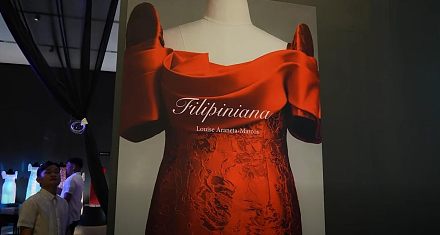
Titled "Filipiniana: A Celebration of Filipino Fashion, Heritage, and Craftsmanship," the publication features the wardrobe of First Lady Louise “Liza” Araneta-Marcos while paying tribute to the Filipino designers, artisans, and craftspeople whose creations showcase the country's rich cultural heritage.
Beyond its visual appeal, the book explores how Philippine fashion can help communicate the country's identity on the international stage, particularly during diplomatic engagements, state visits, and other official occasions.
In a press release about the book launch, organizers emphasized that traditional Filipino garments represent more than ceremonial attire. They also provide an opportunity to introduce foreign audiences to the country's artistic traditions, textile craftsmanship, and evolving cultural identity.
The publication revisits the history of Philippine dress, from the traje de mestiza and Maria Clara ensemble to the evolution of the terno, whose distinctive butterfly sleeves have become an enduring symbol of Filipino fashion.
Some of the items designed for the First Lady are seen on display at the event. RTVM video
Although these garments have undergone significant changes over the years, their continued reinterpretation by contemporary designers demonstrates how traditional craftsmanship can remain relevant while preserving its cultural roots.
At the heart of the book is the First Lady's transition from her professional career on law to a public role that involves ceremonial functions and diplomatic responsibilities.
Through personal interviews and photographs of her wardrobe, the publication examines how Araneta-Marcos incorporates traditional Filipino clothing into official engagements while maintaining her preference for practicality, comfort, and contemporary designs.
Among the Filipino designers featured are Paul Cabral, Michael Leyva, and the late Pepito Albert, whose creations reflect the diversity of Philippine fashion and the craftsmanship behind modern interpretations of national dress.
The book also highlights the First Lady's practice of reworking and repurposing garments, demonstrating how traditional clothing can be worn beyond a single occasion.
But the publication goes beyond the First Lady's personal style.
It also draws attention to the skilled workers behind every garment, from the weavers who produce traditional textiles to the embroiderers and seamstresses who transform these materials onto finished creations.
According to the book's launch materials, preserving Filipiniana requires not only showcasing Filipino designs at prestigious events but also supporting the communities and skilled workers responsible for keeping these traditions alive.
The publication was developed under the creative direction of Patrick Rosas, its Creative-at-Large, whose extensive experience in Philippine fashion and advocacy for Filipino creative talent helped shape the project.
Rosas envisioned the book as both a record of the First Lady's evolving style and a platform to recognize the artistry and craftsmanship behind her wardrobe.
His efforts to preserve Filipino fashion also extend beyond the publication.
Through Fashion Aid Philippines, an organization he helped establish, Rosas supports 109 students in Mindanao who are training to become skilled seamstresses.
The initiative aims to develop a new generation of craftspeople while preserving the technical knowledge and traditional skills essential to Philippine garment-making.
Meanwhile, the book's narrative was written and edited by Carolyn Ramoran Hamilton, an international diplomacy and lifestyle journalist whose work explores the relationship between culture, national identity, and international representation.
Hamilton underscored how the clothing worn by a country's representatives can communicate its cultural identity beyond formal diplomatic exchanges.
“When a First Lady attends an international engagement wearing a terno or an ensemble made from Philippine textiles, or garments created by a Filipino designer, she carries with her something distinctly Filipino,” she said.
The book presents fashion as another means of introducing Philippine culture to the world, allowing the creativity of Filipino designers and artisans to become part of the country's international representation.
It also reinforces the significance of the terno as a recognizable symbol of Filipino identity, one that continues to evolve through contemporary interpretations while maintaining its historical significance.
For Hamilton, Philippine fashion has a role that extends beyond aesthetics and personal expression.
“Ultimately, Filipiniana reminds us that fashion has a place in the larger narrative of our nation,” she said.
Through its documentation of traditional and contemporary Filipino clothing, the publication seeks to promote the world-class craftsmanship of Filipino designers and artisans while encouraging greater appreciation of Filipiniana as an important part of the country's cultural heritage.
It also highlights how fashion can complement diplomacy, presenting the Philippines not only through its official positions and international engagements but also through the creativity, traditions, and cultural achievements of its people.
The book was launched on November 4 at the Metropolitan Museum of Manila in Bonifacio Global City, Taguig, with First Lady Araneta-Marcos in attendance, alongside Department of Education Secretary Sonny Angara, Department of Foreign Affairs Undersecretary Maria Theresa Dizon-De Vega, and GMA Network senior vice president and GMA Pictures president and CEO Annette Gozon-Valdes. — BM GMA News
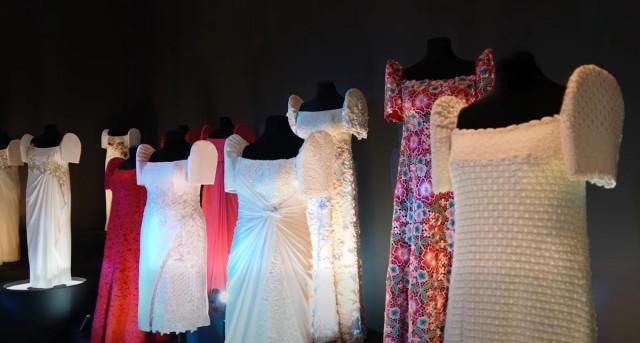 Some of the items designed for the First Lady are seen on display at the event. RTVM video