Besan To Sandalwood: 7 Traditional Ubtan Ingredients To Add To Your Pre-Wedding Skincare Ritual
Before the bridal facials, sheet masks, expensive serums and elaborate skincare calendars became a thing, there was ubtan. Remember how besan, haldi and dahi were practically the holy trinity of your grandmother’s skinca
Ni Lifestyle Desk··5K nabasa
Besan To Sandalwood: 7 Traditional Ubtan Ingredients To Add To Your Pre-Wedding Skincare Ritual
Before the bridal facials, sheet masks, expensive serums and elaborate skincare calendars became a thing, there was ubtan. Remember how besan, haldi and dahi were practically the holy trinity of your grandmother’s skincare routine? Well, turns out this old-school beauty ritual hasn’t quite lost its charm. In fact, with wedding season around the corner, it might be time to give that little bowl of homemade goodness some attention.
Ubtan has been a part of Indian pre-wedding traditions for generations, often making an appearance during the haldi ceremony and the days leading up to the wedding. And while we’re certainly not asking you to ditch your dermatologist-approved skincare routine for a kitchen experiment, there’s something rather lovely about bringing a little of that traditional pampering into your bridal preparations.
From besan, the undisputed OG, to fragrant sandalwood and rose petals, here are seven ingredients that deserve a spot in your ubtan bowl.
1. Besan: The OG That Started It All
If there is one ingredient that practically owns the ubtan conversation, it is besan. From out mothers to grandmoms, there’s no shortage of homemade skincare wisdom in Indian households, and a trusty besan face pack is usually part of the package. Gram flour has been a staple in traditional Indian beauty rituals for ages, thanks to its fine texture and ability to form a smooth cleansing paste.
Mix it with a little water, milk or rose water, and you have the base for a classic ubtan. It is also wonderfully versatile, so you can pair it with several other ingredients on this list. Just remember to be gentle while washing it off.
2. Haldi: A Little Golden Magic
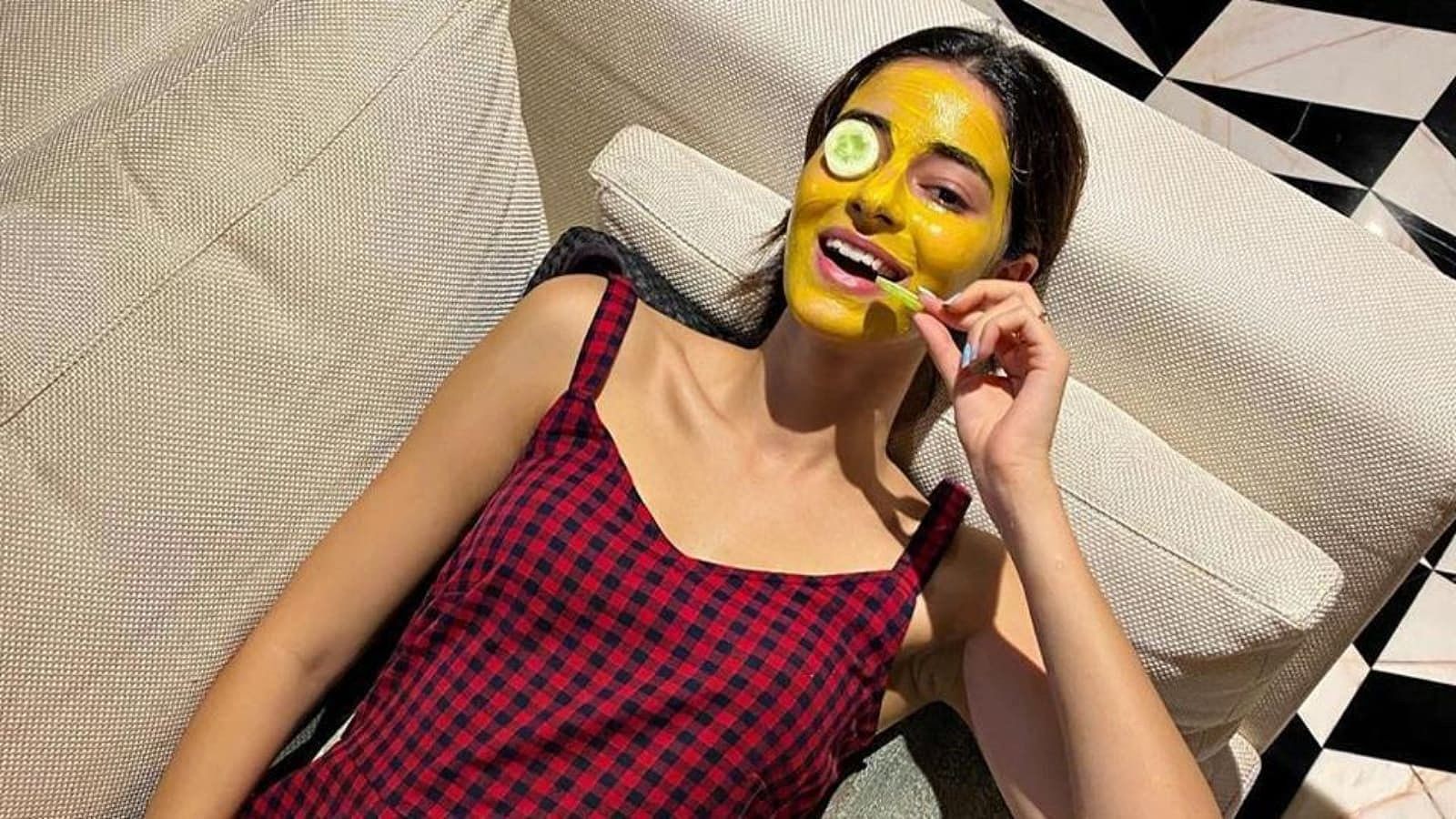
You cannot have an Indian pre-wedding beauty ritual without haldi. It is practically written into the wedding-season rulebook. Turmeric contains curcumin, a compound studied for its antioxidant and anti-inflammatory properties.
Add just a tiny pinch to your besan mixture and blend it with a little water or rose water. And please, resist the temptation to empty half the spice box into your bowl. Too much haldi can stain your skin and may irritate it.
3. Sandalwood: For That Old-School Luxury
There is something about sandalwood that instantly makes a skincare ritual feel a little more indulgent. Known as chandan in Indian households, this fragrant ingredient has been used in traditional beauty preparations for centuries.
A little cosmetic-grade sandalwood powder mixed into your besan ubtan can add a fragrant touch to the experience. Pair it with rose water for a smooth paste, and you have a blend that feels like a mini spa session without the appointment or the bill.
4. Rose Petals: Because Your Ubtan Deserves Flowers Too
Why should flowers be reserved for your hair and wedding décor? Rose petals deserve a little space in your beauty routine, too. Traditionally used in Indian skincare preparations, dried rose petals can be ground into a fine powder and added to homemade ubtan blends.
Mix rose petal powder with besan and sandalwood, then add enough water to make a smooth paste. It is a lovely way to give your traditional ubtan a floral twist. Just make sure the petals are clean, properly dried and free from pesticides.
5. Multani Mitti: The Oil-Control Favourite
If your skin tends to get oily, you have probably already crossed paths with multani mitti. This traditional clay ingredient has long been a favourite in Indian face packs, particularly because it absorbs excess surface oil. It also mixes easily with other powdered ingredients, making it a convenient addition to a homemade ubtan.
Add a little multani mitti to besan and mix with water to create a paste. However, this one comes with a small disclaimer: if your skin is dry or sensitive, multani mitti might leave it feeling tight and uncomfortable. You don’t need to include every ingredient just because it is sitting in your kitchen cabinet.
6. Neem: The Herbal Addition
Neem has quite the reputation in traditional Indian wellness practices. From homemade hair preparations to skincare remedies, its leaves have found their way into plenty of household beauty recipes. Neem extracts have also been studied for their antimicrobial properties
If you want to add neem to your ubtan, use a small amount of finely powdered, cosmetic-grade neem leaf powder. Mix it with besan and water to create a paste. But don’t treat it as an acne cure or a substitute for your regular skincare treatment. And if your skin is already irritated or inflamed, give this experiment a miss.
7. Aloe Vera: The Soothing Crowd-Pleaser
Aloe vera is that one ingredient that seems to have made itself comfortable in every beauty routine. From moisturisers and face gels to homemade masks, it is loved for its lightweight, soothing feel. And if you find powdered ubtan mixtures a little too drying, aloe vera gel can help give your paste a smoother, more comfortable consistency.
Add a little pure aloe vera gel to your besan and sandalwood mixture and blend until you get a spreadable paste. Use fresh, properly prepared gel or a fragrance-free product intended for topical use. Avoid the yellow latex beneath the aloe leaf skin, which can irritate the skin.
A Few Ubtan Rules Before You Get Mixing
Now, before you turn your kitchen into a full-fledged bridal beauty laboratory, here are a few things worth remembering. Traditional ingredients can be lovely additions to a self-care ritual, but natural does not automatically mean suitable for every skin type.
Do a patch test: Try the mixture on a small area first and wait 24–48 hours to check for irritation.
Don’t go overboard with haldi: A little goes a long way, and too much can leave behind a yellow stain.
Skip the aggressive scrubbing: Apply gently and rinse without rubbing your skin raw.
Don’t wait for the paste to become a desert: Wash it off as it starts drying rather than letting it crack and pull at your skin.
Know your skin type: Multani mitti may not be the best choice for dry skin, while fragrant ingredients can irritate sensitive skin.
Never experiment right before the wedding: Introduce new ingredients well in advance. Your wedding week is not the time to discover that your skin has a personal vendetta against neem.
Just remember, the bridal glow isn’t hiding in one magical kitchen ingredient. A consistent skincare routine, enough sleep and a little less wedding-planning stress might be doing more of the heavy lifting!