US Weighs 'Mother Of All Bombs' For Iran: What Is The Massive Weapon And Can It Hit Nuclear Sites?
The United States is considering unleashing the ‘Mother of All Bombs’ on Iran, bringing one of its most destructive conventional weapons into the conversation as Washington weighs its next military move. However, there i
Por News Desk··79K lecturas
US Weighs 'Mother Of All Bombs' For Iran: What Is The Massive Weapon And Can It Hit Nuclear Sites?
The United States is considering unleashing the ‘Mother of All Bombs’ on Iran, bringing one of its most destructive conventional weapons into the conversation as Washington weighs its next military move. However, there is a catch—the massive bomb, capable of flattening targets across a wide area, may not be powerful enough to penetrate the heavily fortified underground facilities at the heart of Iran’s nuclear programme.
According to CNN, the GBU-43/B Massive Ordnance Air Blast (MOAB) could be considered for strikes on Iranian targets, including the suspected underground nuclear facility at Pickaxe Mountain.
What Is The ‘Mother Of All Bombs’?
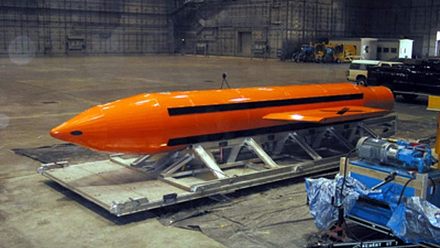
The GBU-43/B Massive Ordnance Air Blast bomb is the largest conventional, non-nuclear bomb in the US arsenal. Weighing approximately 21,600 pounds (9,800 kg), it is designed to produce a powerful blast over a wide area.
Unlike a conventional bunker-buster designed to penetrate deeply buried targets, the MOAB is an air-blast weapon that detonates above the ground, generating a massive explosion capable of devastating targets across a broad area.
ALSO READ | It’s All About Oil: How Iran Is Shifting Its Strait Of Hormuz Strategy To Influence US Elections
The GPS-guided weapon can destroy an area equivalent to roughly nine city blocks. It was developed during the Iraq War and was initially conceived, in part, as a weapon that could have a psychological impact on enemy forces by demonstrating overwhelming US firepower.
The US first used the MOAB in combat in April 2017, during Trump’s first presidency, when it was deployed against an Islamic State tunnel complex in Afghanistan.
Can MOAB Destroy Iran’s Underground Nuclear Sites?
One of the key questions surrounding the proposed deployment is whether the weapon could damage Iran’s heavily fortified nuclear infrastructure.
CNN reported that US military planners have included the MOAB in options for potential strikes on nuclear sites, including Pickaxe Mountain. Washington and Israel believe Iran has stored components of its nuclear programme at the suspected facility.
However, the bomb’s destructive power above ground does not necessarily translate into an ability to penetrate deep underground.
Sources familiar with military planning told CNN that the weapon could struggle to destroy facilities protected by thick layers of granite and other fortifications. Its primary strength lies in its ability to devastate a large surface area, rather than penetrate deep into the earth.
ALSO READ | ‘One Of The Most Important Things We Did’: Trump Says Iran War Will End ‘Very Soon’
“The MOAB is a massive information operation type weapon that is great for huge area clearance but not much else,” one source familiar with the discussions told CNN. “It is definitely not designed as a deep penetration warhead.”
The doubts raise questions about whether deploying the weapon against Iran’s nuclear facilities would deliver the military results Washington is seeking.
Why Is US Considering Using It Against Iran?
The reported plans come as the Trump administration weighs its military options while facing pressure to bring the conflict with Iran to an end.
According to CNN, Trump has directed the military to prepare additional strike options that include attacks on Iranian energy infrastructure. The potential use of the MOAB is also included in plans involving nuclear-related targets.
The administration is seeking a way to demonstrate military success while finding a possible exit from a conflict that has become politically contentious at home. With US midterm elections approaching on November 3, the war has added to the political pressure facing Republicans.
Although Trump has publicly indicated that he would not resume military strikes before the midterms, CNN reported that some White House advisers were privately uncertain whether that position would hold.
One option being considered, according to sources cited by CNN, would involve launching additional strikes before withdrawing US forces from the US Central Command area of responsibility.
A White House official told CNN that the administration does not comment on sensitive military plans that may or may not exist, adding that “President Trump keeps all options on the table to ensure that Iran can never have a nuclear weapon.”
A Pentagon official said the department plans for a wide range of operational scenarios to carry out presidential and senior defence leadership directives.
Could The Bomb Change The Course Of The Conflict?
Despite its enormous destructive capability, the MOAB may not be sufficient to deliver a decisive military outcome against Iran.
Officials familiar with the discussions have questioned whether the weapon could destroy deeply buried nuclear facilities or force Tehran to accept Washington’s demands. Its potential value could instead lie in its psychological impact and its ability to signal a willingness to escalate.
The bomb’s large blast radius also raises concerns about civilian casualties, particularly if it were used against energy infrastructure located near populated areas or other civilian facilities.