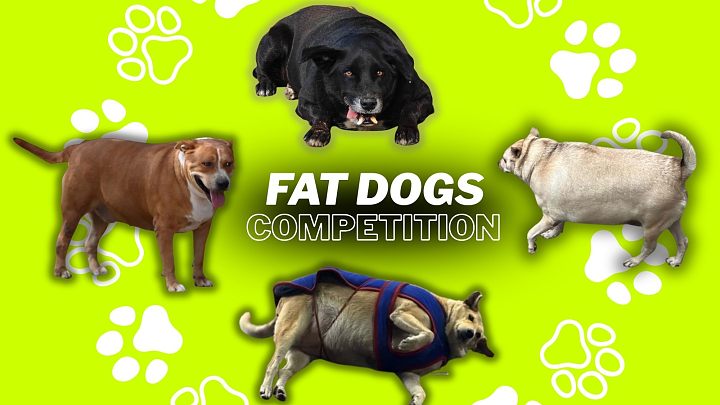
Why The Viral ‘Fat Dogs’ Competition Trend Could Be Bad News For Community Dogs
There is something undeniably heartwarming about seeing a community dog being cared for by people who know its name, recognise its habits and make sure it never goes hungry.
Por Tanya Dutt··57K lecturas
Why The Viral ‘Fat Dogs’ Competition Trend Could Be Bad News For Community Dogs
There is something undeniably heartwarming about seeing a community dog being cared for by people who know its name, recognise its habits and make sure it never goes hungry.
But what began as a light-hearted Instagram page celebrating Delhi’s more generously proportioned community dogs quickly turned into a full-blown online election. Supporters created campaign posters, memes and voting appeals. Neighbourhood loyalties formed. Physical polling booths appeared across the city.
The viral ‘Fat Dogs of Delhi’ and ‘Fat Dogs of Bengaluru’ trends have sparked conversations online, with people rallying behind their neighbourhood dogs and celebrating the ones they consider the chunkiest. What may have started as a playful way to appreciate community dogs has also raised a serious question: when did a dog’s size become a measure of good care?
In the end, the late Gola from SDA Market in Hauz Khas was crowned Fat Dog of Delhi with tens of thousands of votes. Soon after, Bengaluru launched its own version, Fat Dogs of BLR, which followed a similar knockout format and drew hundreds of thousands of votes before crowning its own winner.
While photographs and videos of round-bellied, fluffy street dogs can attract affectionate comments and engagement, canine health is a different story. And when feeding becomes a contest, the line between caring for an animal and potentially putting its health at risk can become dangerously blurred.
Canine nutritionist Manssi Vedhya Karambelkar took to Instagram and pointed out that while the original intention may have been to celebrate dogs that are not skinny or malnourished, turning the idea into a contest creates a different incentive. She said in her video, ” Maybe the intention was great because if you’re feeding community dogs and they’re not skinny and malnourished and they’re looking great and healthy, that’s a sign that they’re well looked after, they’re well fed, there is someone looking out for them. And while that may have been a great intent, I don’t think it has come across that.”
The problem, she explains, is what happens when an activity is gamified. “I also feel like it has the potential to do more harm than good at this stage because the minute you make something into a competition, the minute you gamify anything, people want to win. And they’re going to win at the cost of an animal becoming fat and unhealthy to win. They’re not going to win anything substantial. There’s no money and prizes.”
Karambelkar also points out that community dogs can develop thyroid problems and other metabolic conditions, just like other dogs. Obesity is a disease, not simply a cute physical characteristic. Deliberately encouraging unhealthy weight gain for a trend can therefore have consequences that extend well beyond a photograph or a social media post.
Her concern is that people may end up prioritising the competition over the animal itself. A dog cannot understand why its feeding routine has changed or why people are trying to make it heavier. It can only experience the effects on its body.
Why is Obesity A Real Health Concern for Community Dogs?
A dog carrying excess weight may look adorable to people who encounter it on the street, but that appearance does not tell the whole story. Obesity can increase the risk of several health problems, including joint strain, reduced mobility, diabetes and cardiovascular complications. Excess weight can also make everyday activities, such as walking, running and playing, more difficult.
Getting a dog from a healthy weight to an overweight one is not a harmless aesthetic choice. It is the deliberate creation of a health problem. Treating that outcome as entertainment or a social-media achievement normalises something that ultimately harms the dog.
The concern is not that every feeder will suddenly overfeed animals for votes. It is that the trend reframes fatness itself as the desirable trait. When the public conversation celebrates “chonky” as the winning quality, the underlying message can drift away from responsible care. Regular feeding is valuable.
So are vaccination, sterilisation, medical attention when needed, and consistent, balanced nutrition. A competition that rewards size alone risks sidelining those more meaningful measures of welfare.
Why Feeding A Dog Does Not Mean Giving it More Food
Responsible feeding is about providing appropriate nutrition in suitable quantities, not continually increasing portions.
Community dogs may receive food from several residents, shopkeepers and feeders throughout the day. Even when each person believes they are offering a small, helpful meal, the combined amount can become excessive. Adding extra food to help a dog win a competition could make that problem worse.
There is also a difference between feeding a hungry dog and feeding it beyond its nutritional needs. Dogs require balanced diets, access to clean water and appropriate veterinary care. Leftovers or treats may be offered with good intentions, but they should not replace a nutritionally suitable diet or be given without considering the dog’s overall intake.
Both the Delhi and Bengaluru contests generated genuine community energy and, in some cases, redirected attention toward animal-welfare groups and fundraising. That positive side should not be dismissed. Visibility for community dogs matters. Affection matters. The question is whether the format chosen to generate that attention is the right one.
What Can People Do Instead to Help?
The enthusiasm around the trend shows that people care about the animals living in their neighbourhoods. The challenge is to channel that attention into practices that improve their lives.
Feed responsibly: Offer appropriate food in sensible quantities and coordinate with other regular feeders to avoid overfeeding.
Arrange veterinary care: Support health checks, vaccinations, deworming and treatment when needed.
Support sterilisation programmes: Work with credible animal welfare organisations and veterinary professionals to support humane, locally appropriate sterilisation initiatives.
Provide clean water: Make sure community dogs have access to fresh water, particularly during hot weather.
Watch for changes in health: Seek veterinary guidance if a dog shows unusual weight gain, difficulty moving, lethargy or other concerning symptoms.
Celebrate care, not body size: Share stories of community dogs being rescued, treated, vaccinated or safely reunited with their neighbourhoods instead of rewarding unhealthy weight gain.
The viral ‘Fat Dogs’ contests may have started with affection, but good intentions alone do not guarantee good outcomes. As Karambelkar’s concerns highlight, making a dog heavier should never become the price of participating in a trend.
The dogs themselves have no say in how they are portrayed or what traits are celebrated on their behalf. That makes the responsibility fall on the humans running the accounts, casting the votes, and deciding what “winning” should look like.