Why Is Castor Oil Important In Ayurveda? Know Its Key Benefits
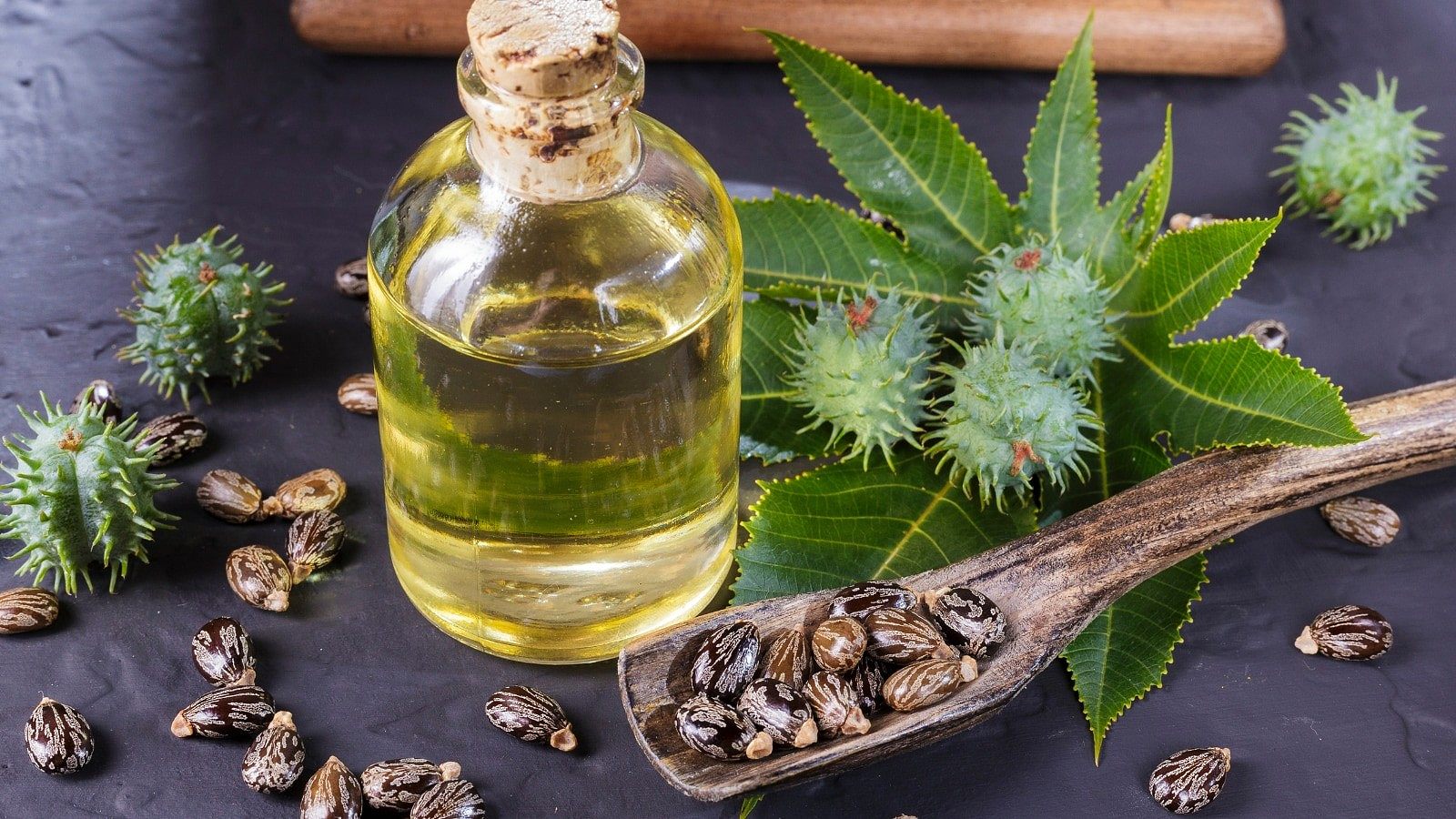
Castor oil, known as Eranda Taila in Ayurveda, is extracted from the seeds of the castor plant, Ricinus communis. It has been used for centuries in traditional remedies for constipation, dry skin, hair care and body mass
Por Lifestyle Desk··6K lecturas
Why Is Castor Oil Important In Ayurveda? Know Its Key Benefits
Castor oil, known as Eranda Taila in Ayurveda, is extracted from the seeds of the castor plant, Ricinus communis. It has been used for centuries in traditional remedies for constipation, dry skin, hair care and body massage.
The oil consists largely of ricinoleic acid, a fatty acid responsible for many of its physical and biological properties. While some traditional uses have scientific support, evidence for several popular claims remains limited.
May Provide Temporary Relief From Constipation
Relieving occasional constipation is castor oil’s best-established medical use. It works as a stimulant laxative: digestive enzymes release ricinoleic acid in the intestine, which stimulates muscle contractions and helps move stool through the digestive tract.
However, castor oil is not usually the first choice for treating constipation because other laxatives may be better tolerated. It can cause abdominal cramps, nausea, vomiting, bloating and diarrhoea, according to a medical review available through the US National Library of Medicine.
It should not be consumed regularly or without medical guidance. People experiencing chronic constipation should consult a doctor instead of repeatedly relying on home remedies.
Helps Moisturise Dry Skin
Castor oil is thick and can act as an occlusive moisturiser, creating a layer that reduces moisture loss from the skin. Applying a small quantity may help soften dry or cracked areas, particularly during winter.
However, it does not treat the underlying cause of eczema, acne or other skin disorders. Castor oil can also cause irritation or allergic contact dermatitis in some people. Perform a patch test before applying it to a larger area and stop using it if redness, itching or swelling develops.
Can Condition Hair and Scalp
Castor oil coats the hair shaft, which may reduce dryness, add shine and make the hair appear smoother. Its moisturising nature may also help relieve a dry scalp.
However, there is no strong clinical evidence that castor oil accelerates hair growth, stops hair loss or treats dandruff. Applying too much can make the hair sticky and difficult to wash, while rare cases of severe matting—known as hair felting—have also been reported.
Diluting the thick oil with a lighter carrier oil may make it easier to apply and remove. Persistent dandruff, itching or unexplained hair loss requires medical evaluation.
May Offer Comfort During Massage
In Ayurveda, warm castor oil is traditionally used to massage stiff joints and aching muscles. The warmth, gentle pressure and lubrication provided during massage may offer temporary comfort and help a person feel less stiff.
Laboratory research has explored the anti-inflammatory properties of ricinoleic acid, but strong human evidence showing that topical castor oil treats arthritis or chronic joint pain is lacking.
It should be considered a comfort measure—not a replacement for medical treatment, physiotherapy or prescribed medicines.
May Help Maintain Moisture Around Wounds
Castor oil is an ingredient in certain specially formulated medical wound-care products. Such products may help maintain a moist environment that supports healing.
That does not mean ordinary castor oil should be applied directly to an open wound. Household oil may irritate the area or introduce contamination. Deep cuts, burns, infected wounds and injuries that do not heal require professional medical care.
Does Castor Oil Improve Immunity?
Traditional wellness practices sometimes claim that castor-oil massage or “castor-oil packs” stimulate lymphatic circulation and strengthen immunity. However, reliable clinical evidence supporting these claims is currently lacking.
Castor oil should not be promoted as a treatment for infections or as a substitute for vaccination, adequate sleep, balanced nutrition or prescribed medical care.
Who Should Avoid Consuming Castor Oil?
“Natural” does not automatically mean safe. Castor oil should not be swallowed without professional advice, particularly by:
Pregnant women, as it can stimulate uterine contractions
Children and older adults
People with unexplained abdominal pain
Those with intestinal obstruction, appendicitis or bowel inflammation
People experiencing vomiting, dehydration or persistent constipation
Anyone taking medicines that may interact with laxatives
Excessive consumption can cause severe diarrhoea, dehydration and an electrolyte imbalance.
Castor oil remains important in Ayurveda because of its long history and versatility. Its clearest evidence-backed benefit is short-term relief from occasional constipation, while it can also work as a moisturising and conditioning oil. Claims involving hair growth, immunity, wound healing and joint disorders, however, require stronger clinical evidence.