Sudden Vision Loss After GLP-1 Drugs? The Rare Eye Condition Behind The Lawsuits Against Novo Nordisk And Eli Lilly
GLP-1 drugs have transformed the treatment of type 2 diabetes and obesity, but their growing use has also brought increasing attention to their side effects and safety concerns. While nausea, vomiting and other gastroint
Por Tanya Dutt··26K lecturas
Sudden Vision Loss After GLP-1 Drugs? The Rare Eye Condition Behind The Lawsuits Against Novo Nordisk And Eli Lilly
GLP-1 drugs have transformed the treatment of type 2 diabetes and obesity, but their growing use has also brought increasing attention to their side effects and safety concerns. While nausea, vomiting and other gastrointestinal problems are among the better-known complaints, concerns around rarer complications have continued to emerge as millions of people use these medicines.
Now, a wave of lawsuits in the US has pushed one particularly alarming issue to the forefront: the possibility of sudden, potentially permanent vision loss.
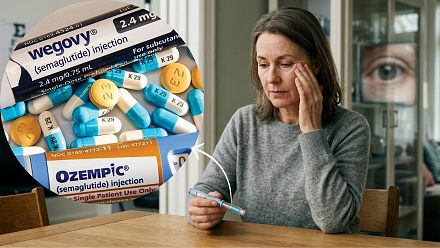
Patients are suing Novo Nordisk and Eli Lilly over claims that popular GLP-1 medicines, including Ozempic, Wegovy, Mounjaro and Zepbound, may be linked to a rare eye condition called non-arteritic anterior ischaemic optic neuropathy, or NAION, sometimes described as an “eye stroke.” The condition affects the optic nerve and can cause sudden vision loss.
What Is NAION and How It Affects Eyesight?
According to the American Academy of Ophthalmology, NAION develops when blood flow to the front of the optic nerve decreases, leading to swelling and sudden vision loss, typically in one eye. There is roughly a 15% chance the second eye becomes affected within five years, and in rare instances both eyes can lose vision simultaneously. The condition is considered rare, occurring in up to about 10 out of every 100,000 people over age 50.
There is currently no established treatment that reliably restores vision once damage occurs, making the loss often irreversible.
NAION occurs when blood flow to the optic nerve is disrupted. The optic nerve carries visual information from the eye to the brain, so damage to it can result in sudden vision loss.
The condition is generally painless and often affects one eye. Vision loss can be permanent, although the severity can vary between patients.
This is different from ordinary temporary blurred vision. NAION is an optic nerve disorder and is considered a serious medical condition requiring prompt assessment if sudden visual changes occur.
Can GLP-1 Drugs Lead to Sudden Vision Loss?
A 2024 study published in JAMA Ophthalmology examined patients treated at Massachusetts Eye and Ear and reported an association between semaglutide and a higher risk of NAION. Among patients who were overweight or obese, 20 NAION events occurred in the semaglutide group compared with three in the non-GLP-1 group. However, the researchers stressed that the study was observational and could not establish that semaglutide caused NAION.
Another multinational population-based study, also examining the association between semaglutide and NAION, reached a different conclusion. Researchers analysed more than 297,000 people across groups with diabetes and obesity and found that semaglutide was not associated with an increased risk of NAION in their analysis.
The European Medicines Agency has taken the potential association seriously. In June 2025, its Pharmacovigilance Risk Assessment Committee concluded that NAION is a very rare side effect of semaglutide, estimated at up to one case per 10,000 people taking the medicine.
The committee reviewed clinical trials, post-marketing reports, epidemiological evidence and medical literature before reaching its conclusion. It recommended that information for Ozempic, Rybelsus and Wegovy be updated to include NAION as a very rare adverse effect.
What Do the Lawsuits Allege Against Novo Nordisk and Eli Lilly?
Eli Lilly and Novo Nordisk face a growing number of claims from patients who say they developed permanent eye damage after using the companies’ GLP-1 drugs. Named medications include Ozempic and Wegovy (semaglutide from Novo Nordisk) and Zepbound (from Eli Lilly).
The complaints, filed over the past year, assert that the manufacturers failed to warn patients that the drugs could cause NAION. In December 2025, the Judicial Panel on Multidistrict Litigation consolidated the U.S. vision-loss claims into a single proceeding, MDL-3163. This is separate from ongoing litigation over gastrointestinal side effects such as stomach paralysis.
A “Science Day,” during which lawyers on both sides present medical evidence to the judge, was scheduled for June 2026.
How Have Individual Patients Been Affected?
One prominent case involves Ed Gillen, a 58-year-old from Massachusetts suing Novo Nordisk. Court filings state he began taking Ozempic in April 2024 to manage diabetes. In May 2025 he noticed a small speck in his vision; his sight then deteriorated rapidly.
Within weeks he had lost vision entirely and now uses a white cane. Another plaintiff, Todd Engel, a 62-year-old from Maryland, reports being diagnosed with NAION roughly four months after starting Ozempic in 2023. These individual stories form part of a broader wave of claims in U.S. courts.
People experiencing these symptoms should seek urgent medical assessment rather than stopping or changing prescribed treatment on their own. The EMA specifically advises patients taking semaglutide to contact their doctor without delay if sudden vision loss or rapidly worsening eyesight occurs.