Quit India Movement 84th Anniversary: 15 Lesser-Known Facts That Changed India's Freedom Struggle
Quit India Movement 84th Anniversary: On the evening of August 8, 1942, leaders of the Indian National Congress assembled at Bombay’s Gowalia Tank Maidan, today known as August Kranti Maidan. The Second World War was und
Por Nibandh Vinod··5K lecturas
Quit India Movement 84th Anniversary: 15 Lesser-Known Facts That Changed India's Freedom Struggle
Quit India Movement 84th Anniversary: On the evening of August 8, 1942, leaders of the Indian National Congress assembled at Bombay’s Gowalia Tank Maidan, today known as August Kranti Maidan. The Second World War was underway, Britain had refused to commit to granting India independence, and frustration had reached a breaking point.
It was here that Mahatma Gandhi delivered his famous “Do or Die” call, urging Indians to pursue freedom through non-violent mass resistance. By dawn the next day, almost the entire national leadership had been arrested.
Yet instead of ending the movement, the arrests ignited one of the largest spontaneous uprisings in India’s struggle for independence.
While Gandhi, Jawaharlal Nehru and Sardar Vallabhbhai Patel remain the most familiar faces of the movement, countless lesser-known individuals and communities kept the spirit of resistance alive. Here are fifteen remarkable stories that deserve equal attention.
Quit India Movement: The Beginning Of A Revolution
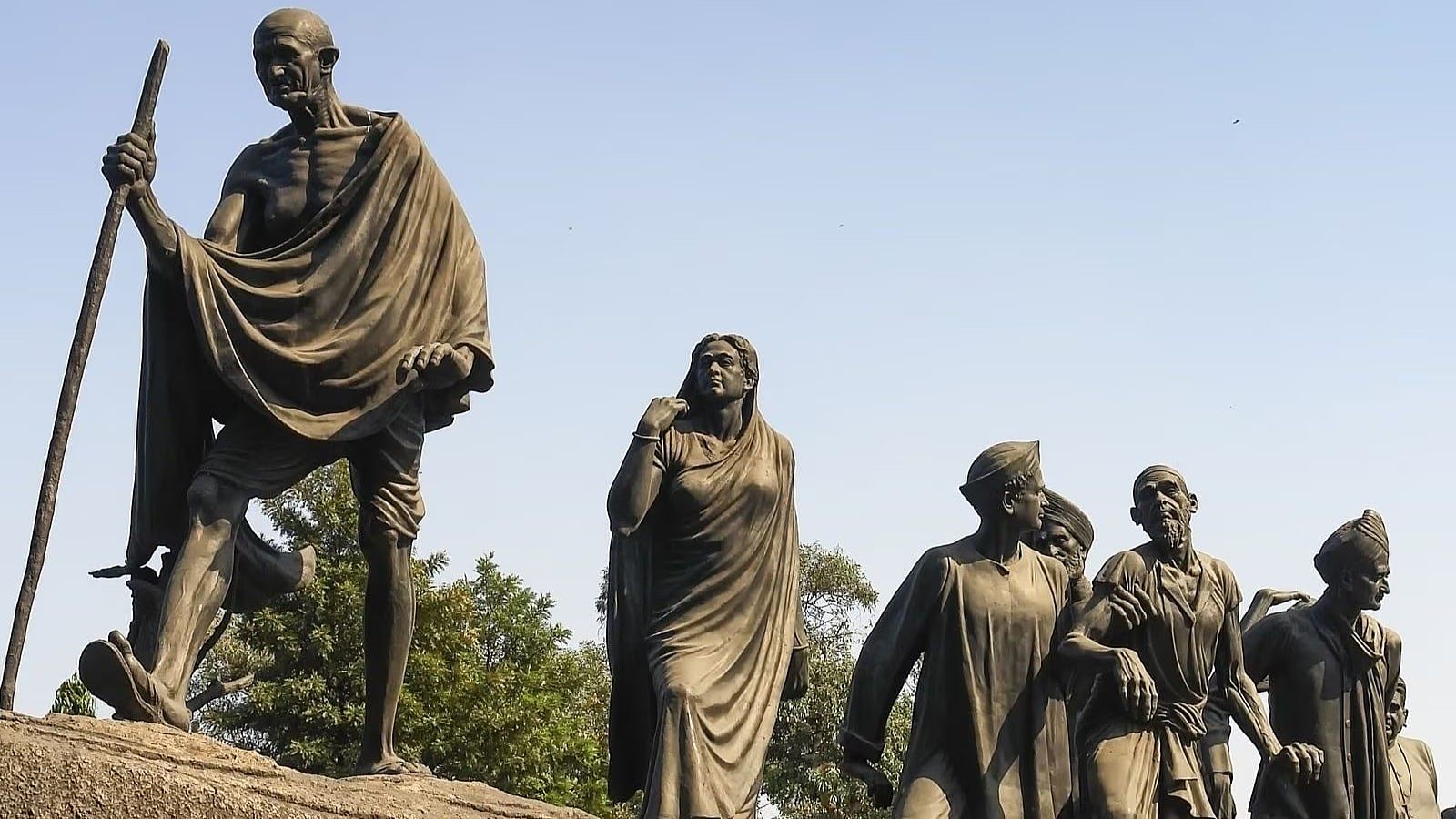
More than eight decades later, the Quit India Movement remains a reminder that India’s independence. (Image: News18 Creative)
The Quit India Movement was launched by Mahatma Gandhi on August 8, 1942, during the Bombay session of the All India Congress Committee (AICC). It marked one of the most significant phases of India’s struggle for independence. (Image: News18 Creative)
The iconic slogan “Quit India” was coined by Yusuf Meherally, a prominent socialist leader and trade unionist. (Image: News18 Creative)
Gowalia Tank Maidan, now known as August Kranti Maidan in Mumbai, was the historic venue where Mahatma Gandhi delivered his famous “Do or Die” speech, officially launching the movement. (Image: News18 Creative)
Following the launch, the British government arrested several prominent national leaders, including Mahatma Gandhi, Maulana Abul Kalam Azad, Jawaharlal Nehru, and Sardar Vallabhbhai Patel, in an attempt to suppress the movement. (Image: News18 Creative)
Quit India Movement: 15 Lesser-Known Facts
Aruna Asaf Ali Hoisted the Tricolour Despite Mass Arrests
When most senior Congress leaders were arrested before the public meeting could continue, Aruna Asaf Ali stepped forward. She hoisted the Indian National Congress flag at Gowalia Tank Maidan on August 9, 1942, becoming one of the most enduring symbols of resistance.
Read More: All You Need To Know About Quit India Movement | In Photos
She later went underground to evade arrest while continuing to inspire the movement through clandestine activities.
Usha Mehta’s Secret Congress Radio Defied British Censorship
Just days after the movement began, Usha Mehta, then only 22 years old, helped establish the underground Congress Radio.
Broadcasting from secret locations in Bombay, the station shared news of protests, speeches and arrests that the colonial government tried to suppress. Although the authorities eventually tracked down the operation, the broadcasts proved that independent communication could challenge official censorship.
Parallel Governments Emerged in Several Regions
The Quit India Movement did more than inspire protests.
In places such as Ballia (United Provinces), Satara (Bombay Presidency) and Tamluk (Bengal), local activists briefly established what became known as parallel governments.
These administrations handled local governance, justice and public welfare, demonstrating that Indians could organise themselves outside colonial authority.
The Satara ‘Prati Sarkar’ Lasted for Years
Among the parallel governments, the Prati Sarkar in Satara stood out.
Led by Krantisinh Nana Patil, it survived from 1943 until around 1946 in several parts of the district. Volunteers settled disputes, challenged British authority and organised local administration despite constant pressure from colonial officials.
Students Became the Backbone of the Movement
Across India, students boycotted classes, organised demonstrations, distributed underground pamphlets and acted as messengers for activists forced into hiding.
Universities in Bombay, Allahabad, Calcutta and Patna witnessed significant student participation, making young people one of the movement’s strongest forces.
Women Led Resistance Beyond Public Speeches
Women played leadership roles far beyond supporting demonstrations.
Figures such as Sucheta Kripalani, Matangini Hazra, Aruna Asaf Ali and many unnamed volunteers carried messages, organised secret meetings, sheltered activists and mobilised local communities.
Their contributions expanded the role of women in India’s freedom movement.
Matangini Hazra Became a Symbol of Courage
In September 1942, 73-year-old Matangini Hazra led a procession toward the Tamluk police station in Bengal.
She was shot while carrying the national flag but reportedly continued chanting “Vande Mataram” until she succumbed to her injuries.
She remains one of the most respected martyrs of the movement.
Railway and Telegraph Networks Became Targets
Many protesters believed disrupting communications would weaken colonial control.
Across different regions, railway tracks, telegraph lines and government infrastructure were damaged. While Gandhi consistently advocated non-violence, the spontaneous nature of the uprising meant that some protests turned violent after the leadership had been jailed.
The British Responded With Extraordinary Force
The colonial administration imposed curfews, banned public gatherings and arrested tens of thousands of people.
Police firing, censorship and widespread detentions became common as authorities sought to suppress the uprising across British India.
Jayaprakash Narayan Escaped From Prison
Socialist leader Jayaprakash Narayan escaped from Hazaribagh Central Jail in November 1942 along with fellow activists.
He continued organising underground resistance, becoming one of the movement’s most influential leaders outside prison.
Ordinary Villagers Kept the Movement Alive
In hundreds of villages, farmers, labourers and traders organised local protests, refused cooperation with authorities and protected activists from arrest.
Many of these contributions were never officially documented, yet they sustained the movement long after national leaders were imprisoned.
The Movement Reached Remote Corners of India
Although often associated with major cities, Quit India spread across rural Maharashtra, Bihar, Bengal, Odisha, Uttar Pradesh and parts of southern India.
Local grievances merged with the broader demand for independence, giving the movement a truly nationwide character.
With newspapers facing censorship, activists secretly printed pamphlets, newsletters and appeals.
These underground publications informed citizens about arrests, protests and resistance efforts while maintaining morale among supporters.
The Movement Changed British Political Thinking
Although the Quit India Movement did not immediately achieve independence, it demonstrated that governing India without widespread public consent had become increasingly difficult.
Combined with post-war economic pressures, changing global politics and later political developments, it influenced Britain’s reassessment of colonial rule.
Its Legacy Extended Beyond 1942
The Quit India Movement became the final nationwide mass movement launched under Gandhi’s leadership.
When India achieved independence in 1947, many historians viewed the events of 1942 as a decisive turning point that revealed the depth of popular support for self-rule.
Why the Quit India Movement Still Matters
More than eight decades later, the Quit India Movement remains a reminder that India’s independence was shaped not only by nationally known leaders but also by students, women, workers, farmers and ordinary citizens whose names rarely appear in history textbooks.
Their courage transformed a political resolution into a nationwide movement that altered the course of Indian history.