'My Son Didn't Latch For Five Months': Priya Malik Gets Real About Breastfeeding And The 'Mom Guilt'
Actor-poet Priya Malik had imagined the moment differently. Baby placed in her arms, everything falling into place, like it does in the movies. What actually happened was five months of a baby who wouldn’t latch and an e
Por Mallika Bhagat··28K lecturas
'My Son Didn't Latch For Five Months': Priya Malik Gets Real About Breastfeeding And The 'Mom Guilt'
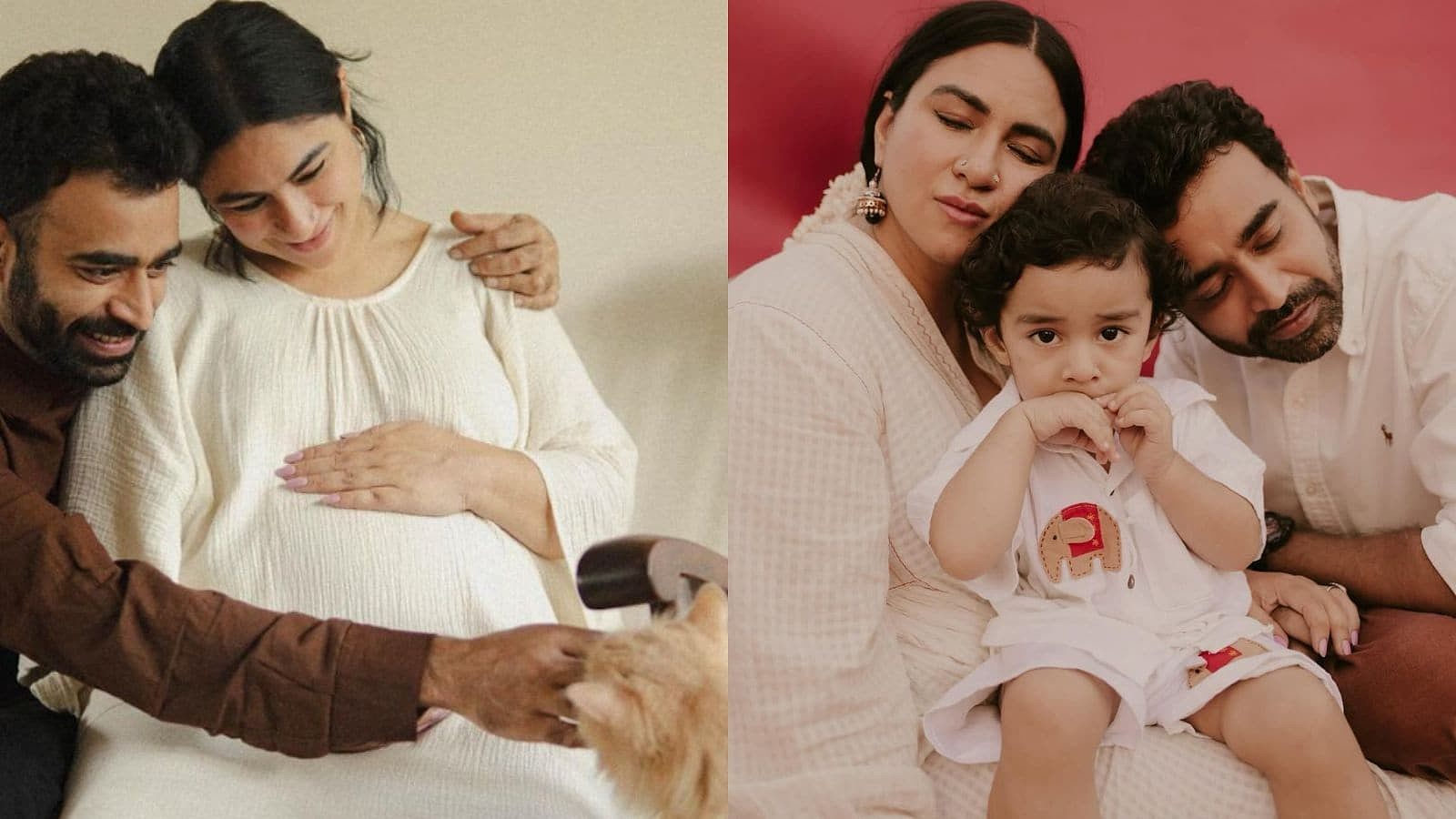
Actor-poet Priya Malik had imagined the moment differently. Baby placed in her arms, everything falling into place, like it does in the movies. What actually happened was five months of a baby who wouldn’t latch and an electric breast pump with wires that seemed to work against her. She also got a life lesson that every woman gets when she becomes a mother: breastfeeding, unlike love, doesn’t always come instinctively.
In a conversation with News18, ‘Zorawar’s mom’ talks about the exhaustion no one warns you about and the two years of breastfeeding she never saw coming.
1. You’ve spoken candidly about miscarriage and pregnancy after loss. Once your son was born, what was the biggest surprise about breastfeeding that no one had prepared you for?
The biggest surprise was that love can be instinctive, but breastfeeding often isn’t. I had imagined that the moment my baby was placed in my arms, everything would simply fall into place, you know they show it in the movies? Instead, it took patience, learning and a lot of trial and error. Zorawar actually didn’t latch for 5 months and I tried everything possible until a nipped shield did the trick although I didn’t give up and one day when he was 6 months old, he instinctively latched and that felt like a little miracle. Nobody really prepares you for the fact that both you and your baby are meeting each other for the first time. You’re learning together.
2. People often say breastfeeding is “natural”, but many mothers find it anything but easy. Was there a moment when you realised it wasn’t going to be as instinctive as people make it sound?
Very early on. When I was struggling with the latching and the nipple shields and caught in between the wires of an electric breast pump, I remember thinking, “If this is supposed to be natural, why does it feel like I’m studying for an exam I never prepared for?” And this was in spite of me taking birthing classes and thinking I was prepared! Breastfeeding made me realise that “natural” doesn’t always mean “effortless.” Walking is natural too, but babies still have to learn it. Mothers deserve the same grace.
3. After the anxiety of a pregnancy following miscarriage, did breastfeeding bring a sense of healing and connection, or did it come with a new set of fears and pressures?
It brought both. There were moments when breastfeeding felt deeply healing because after months of worrying whether my body could protect my baby, here it was nourishing him every single day. But healing doesn’t erase anxiety. Every stage of motherhood introduces a new question, a new responsibility, a new fear. You just learn to carry love alongside uncertainty.
4. Was there ever a moment when you questioned yourself as a mother because breastfeeding wasn’t going the way you had imagined? How did you navigate those feelings?
Absolutely. Especially at the start. You know Motherhood has a way of making you measure yourself against impossible standards. Whenever something didn’t go as planned, I found myself wondering if I was doing enough. Over time, I realised that a good mother isn’t someone who never struggles. I kept trying and even ended up breastfeeding Zorawar for two years – that’s something I never anticipated would happen but I’m so glad it did and it was only because I kept showing up, asking for help when I neededed it and kept choosing my child every single day.
“Motherhood has a way of making you measure yourself against impossible standards” – Priya Malik
5. What was the hardest physical aspect of breastfeeding that nobody warned you about whether it was pain, exhaustion, cluster feeding, cracked nipples or something else entirely?
The exhaustion. Feeding isn’t just the time your baby is latched, it’s actually the anticipation, the interrupted sleep, the constant awareness that your body is still someone’s source of comfort and nourishment. It can be beautiful and incredibly demanding at the same time, and both truths deserve to exist together.
6. Many women feel guilty when they need to supplement with formula, pump or seek lactation support. Did you ever experience “mom guilt” around feeding choices?
I think motherhood introduces guilt far too easily. But I made a conscious decision very early on that I wasn’t going to let that guilt get to me. For me, a fed baby has always been more important than how the baby is fed.
From day one, I chose to combination feed, I breastfed while also supplementing with formula. That was what worked best for my baby, my body and my family. Every family’s circumstances are different, and every feeding journey looks different. The goal isn’t to win a motherhood competition; it’s to raise a healthy, loved child.
I also knew that if I started stressing about what society, the internet or even extended family might think, that stress itself could affect my breastfeeding journey. I wanted to protect my peace because a calm, happy mother is just as important as a well-fed baby. I truly believe asking for support or making the feeding choices that work for your family isn’t a sign of failure, it’s a sign of putting your child first.
7. Breastfeeding is often portrayed as a beautiful bonding experience, but it can also feel isolating. Did you ever feel emotionally overwhelmed while trying to be everything your baby needed?
For me, breastfeeding was actually one of the most beautiful ways I bonded with my son. As a working and travelling mother, there were times when I had to be away from him, and breastfeeding became something that was just ours. It gave me moments of connection that nobody else could share.
That’s probably also why I never gave up during those first five months, even though he wasn’t latching and I was also pumping and using the nipple shield . It wasn’t easy, but I knew I wanted to continue because it made me feel connected to him in a very unique way.
I also never wanted breastfeeding to feel like something that had to be hidden away. I breastfed him in public whenever he needed to be fed, and I think that helped us keep the entire experience natural and organic rather than turning it into something stressful or secretive.
Of course, there were exhausting days and emotional moments, but whenever I look back, what stays with me most is the closeness it gave us. Breastfeeding wasn’t just about feeding him, it became our quiet little language of comfort, familiarity and love. I actually miss it!