Lalbaugcha Raja Day 1: Amit Shah, US Ambassador Sergio Gor Visit As Devotees Wait Up To 15 Hours | WATCH
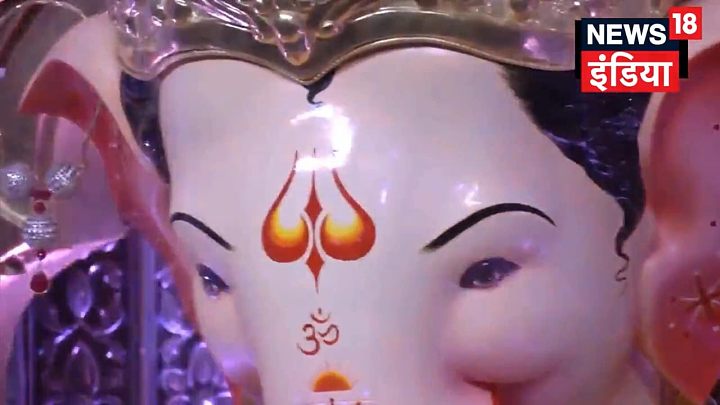
Ganeshotsav 2026: The 93rd Lalbaugcha Raja Ganeshotsav began on September 14, 2026, drawing lakhs of devotees to Mumbai’s iconic Lalbaugcha Raja pandal on the first day of the 12-day Ganpati festival.
Por Parishmita Saikia··30K lecturas
Lalbaugcha Raja Day 1: Amit Shah, US Ambassador Sergio Gor Visit As Devotees Wait Up To 15 Hours | WATCH
Ganeshotsav 2026: The 93rd Lalbaugcha Raja Ganeshotsav began on September 14, 2026, drawing lakhs of devotees to Mumbai’s iconic Lalbaugcha Raja pandal on the first day of the 12-day Ganpati festival.
By midnight, Lalbaug was already seeing a steady influx of devotees eager to catch their first glimpse of Lalbaugcha Raja. Long queues formed around the pandal, with visitors travelling from across Mumbai and beyond to catch a glimpse of the revered Ganpati idol.
However, the massive turnout also brought reports of overcrowding, pushing and shoving in the queues, while the comparatively smoother access available to VIP visitors prompted questions about the treatment of ordinary devotees.
Devotees Report Hours Of Waiting Amid Heavy Rush
Several people on social media claimed that devotees had been standing in queues since the previous night, with some reportedly waiting 15-16 hours for darshan.
Lalbaugcha Raja �
Devotees in Mumbai are being pushed and shoved despite standing in line since last night, with some waiting for 15–16 hours just for a proper darshan.
If you were a VIP, you could have had a comfortable darshan right from the front. But an ordinary bhakt has… pic.twitter.com/o1RGNytaOV
— Amit Kumar Sindhi (@AMIT_GUJJU) September 14, 2026
One social media post questioned whether devotees should have to endure such conditions while VIP visitors are able to receive darshan more comfortably from the front.
“Faith should not come at the cost of dignity,” the post said, while asking whether ordinary devotees could at least be given 15 seconds for a proper darshan.
The comments have fuelled an online discussion about VIP culture at major religious gatherings, with some users calling for a more equitable system for devotees.
The concerns are not limited to Lalbaug. The logistical challenges of managing enormous crowds, lengthy queues and preferential access have repeatedly emerged at some of India’s biggest temples and religious festivals.
Amit Shah, Fadnavis And Other Prominent Visitors Offer Prayers
The first day also saw prominent political and public figures visit Lalbaugcha Raja.
Union Home Minister Amit Shah and Maharashtra Deputy Chief Minister Devendra Fadnavis were among the high-profile visitors who offered prayers at the pandal.
US Ambassador to India Sergio Gor also visited Lalbaugcha Raja in Mumbai and offered prayers.
VIDEO | Mumbai, Maharashtra: US Ambassador to India Sergio Gor visits Lalbaugcha Raja in Mumbai.
(Full video available on PTI Videos – https://t.co/d8jp61yd2p) pic.twitter.com/g3JJbngTIZ
— Press Trust of India (@PTI_News) September 14, 2026
Former Maharashtra chief minister Uddhav Thackeray, accompanied by his family, also visited the pandal to seek blessings.
The presence of prominent visitors has added to the discussion online over whether VIP arrangements create a visible difference between the experience of ordinary devotees and that of public figures.
Organisers Stress Free Regular Darshan
Amid the concerns, organisers have maintained that regular darshan remains free and that there are no official paid passes for devotees.
Authorities and organisers have put several measures in place to manage the enormous crowds expected throughout the festival. Police personnel have been deployed around the pandal and surrounding areas, while AI-enabled cameras are being used as part of crowd and security management.
For devotees unable to visit the pandal in person, 24-hour online streaming is also available, providing an alternative way to view Lalbaugcha Raja without joining the physical queues.
The arrangements are aimed at balancing the enormous demand for darshan with the need to maintain security and regulate the movement of devotees.
Mumbai Police Announce Traffic Restrictions From September 14
The unprecedented rush has also led Mumbai Police to introduce extensive traffic restrictions and diversions around Lalbaug and Kalachowki, as reported by Mid-day.
With large crowds expected to converge on Lalbaugcha Raja during Ganeshotsav, Mumbai Police have introduced a series of traffic measures in the area. The restrictions will remain in force from September 14 to September 25, with closures implemented for 24 hours wherever necessary depending on the situation on the ground.
Several important stretches around Lalbaug and Kalachowki will not be accessible to regular vehicular traffic during the festival period.
Key Roads Affected
The affected stretches include:
Dr BR Ambedkar Road: Southbound traffic will be stopped between Comrade Krishna Desai Chowk (Bharat Mata Junction) and Hansraj Rathod Chowk (Bawla Compound Junction).
Mahadeo Palav Marg: The restriction will cover the section between Shingate Master Chowk and Comrade Krishna Desai Chowk.
Dattaram Lad Marg: Vehicles will be restricted between Udipi Hotel and Shantaram Pujare Chowk (Sardar Hotel).
Ganesh Nagar Lane: The closure will extend from its meeting point with Dr BR Ambedkar Road to Madhav Prabhu Chowk (Puja Hotel Junction).
Dinshaw Petit Lane: Traffic will be restricted between Dr BR Ambedkar Road and Ganesh Nagar Lane.
Dr SS Rao Road: The affected section runs from Sadashiv Gopal Naik Chowk to Lalbaug Police Chowki.
Motorists Advised To Take Alternate Routes
Drivers heading towards CSMT on the southbound stretch of Dr BR Ambedkar Road can use the Lalbaug flyover instead.
Another option takes motorists through Comrade Krishna Desai Chowk, Currey Road Bridge, Shingate Master Chowk, NM Joshi Road, Comrade Ganacharya Chowk and Abdul Hamid Ansari Chowk before continuing towards South Mumbai.
Those travelling towards CSMT can also consider a longer alternative via Jibjibhai Lane, Sadashiv Gopal Naik Chowk, Shree Sai Baba Marg, GD Ambekar Slip Road, Veterinary College Gate, GD Ambekar Road, Sadanand Wankhede Naka, Shrawan Yashwant Chowk, Barrister Nath Pai Road and P D Mello Road.
Traffic displaced by the Mahadeo Palav Marg restriction can instead move through Shingate Master Chowk, NM Joshi Marg, Chinchpokli Junction, Saint Jagnade Maharaj Chowk and Comrade Krishna Desai Chowk.
Parking Bans Across Several Roads
The police have also designated a number of roads as no-parking zones for the duration of the arrangements.
These include Dr BR Ambedkar Road, Sane Guruji Marg, Dattaram Lad Marg, Ganesh Nagar Lane, Dinshaw Petit Lane, Barrister Nath Pai Road, GD Ambekar Road, Dr SS Rao Road, Anant Malvankar Marg, Shree Sai Baba Marg, TB Kadam Road, Dattaram Khamkar Marg, Tanaji Malusare Marg, Jijibhai Lane and Mahadeo Palav Marg.
The restrictions are intended to keep key access roads clear while thousands of devotees make their way towards the Lalbaugcha Raja pandal. With footfall expected to remain high throughout the festival, motorists have been advised to plan their journeys accordingly and use the designated alternative routes.
Faith Meets The Challenge Of Crowd Management
The first day of Lalbaugcha Raja once again demonstrated the extraordinary pull of Mumbai’s most prominent Ganpati celebrations. For thousands of devotees, hours of waiting were considered part of the journey to seek darshan.
Yet the scenes of crowded queues and complaints about unequal access havealso revived a broader question: how can India’s biggest religious gatherings preserve the devotion and enthusiasm of the festival while ensuring that ordinary devotees are treated with dignity?
As the 12-day Ganpati festival continues, the challenge for organisers and authorities will be to manage the enormous crowds while making the experience of darshan as safe, orderly and accessible as possible for everyone.