JP Nadda Undergoes Coronary Angiography At AIIMS: Can Uneasiness Signal A Serious Heart Condition?
Union Health Minister JP Nadda was admitted to AIIMS Delhi after experiencing uneasiness. He underwent a coronary angiography on the evening of August 13, 2026, and remains stable under observation in the Department of C
Por Lifestyle Desk··10K lecturas
JP Nadda Undergoes Coronary Angiography At AIIMS: Can Uneasiness Signal A Serious Heart Condition?
Union Health Minister JP Nadda was admitted to AIIMS Delhi after experiencing uneasiness. He underwent a coronary angiography on the evening of August 13, 2026, and remains stable under observation in the Department of Cardiology.
In an official statement, AIIMS said, “Union Health Minister JP Nadda was evaluated for uneasiness with tests, including a coronary angiography on the evening of August 13, 2026. He is currently stable and admitted for observation in the Dept of Cardiology, AIIMS.” The hospital has not disclosed the nature of the uneasiness or the findings of the angiography.
Nadda was evaluated for uneasiness and underwent several tests, including coronary angiography, on the evening of August 13. He remains admitted for observation and is reported to be stable.
The decision to perform a coronary angiography suggests that doctors wanted to closely assess the blood vessels supplying the heart. However, undergoing the test does not by itself confirm that a person has coronary artery disease or has suffered a heart attack.
Can Mild Uneasiness Be A Sign of A Heart Issue?
Heart-related symptoms are not always dramatic. Cardiologists note that patients may report feeling uncomfortable, restless, unusually tired, dizzy, short of breath, sweaty, nauseated, or simply “not right.” In people with risk factors such as high blood pressure, diabetes, smoking, obesity, high cholesterol or a family history of heart disease, these milder symptoms warrant careful assessment.
Anxiety, acidity, dehydration, viral illness, medication effects or lack of sleep can produce similar sensations, yet doctors prefer to rule out cardiac causes early when there is concern.
Heart-related discomfort does not always present as intense chest pain. According to the NHS, angina can cause a mild or uncomfortable sensation that may even resemble indigestion. More serious symptoms can include chest pressure or tightness, breathlessness, sweating, nausea, light-headedness and discomfort spreading to the arm, jaw, neck, back or stomach.
The American Heart Association also lists chest discomfort, shortness of breath, nausea or vomiting, light-headedness and pain or discomfort in the jaw, neck, back, arm or shoulder among possible symptoms of acute coronary syndrome.
This is why persistent or unexplained uneasiness, particularly when accompanied by other symptoms, should not simply be dismissed as acidity, fatigue or stress.
What is Coronary Angiography and When Do Doctors Recommend it?
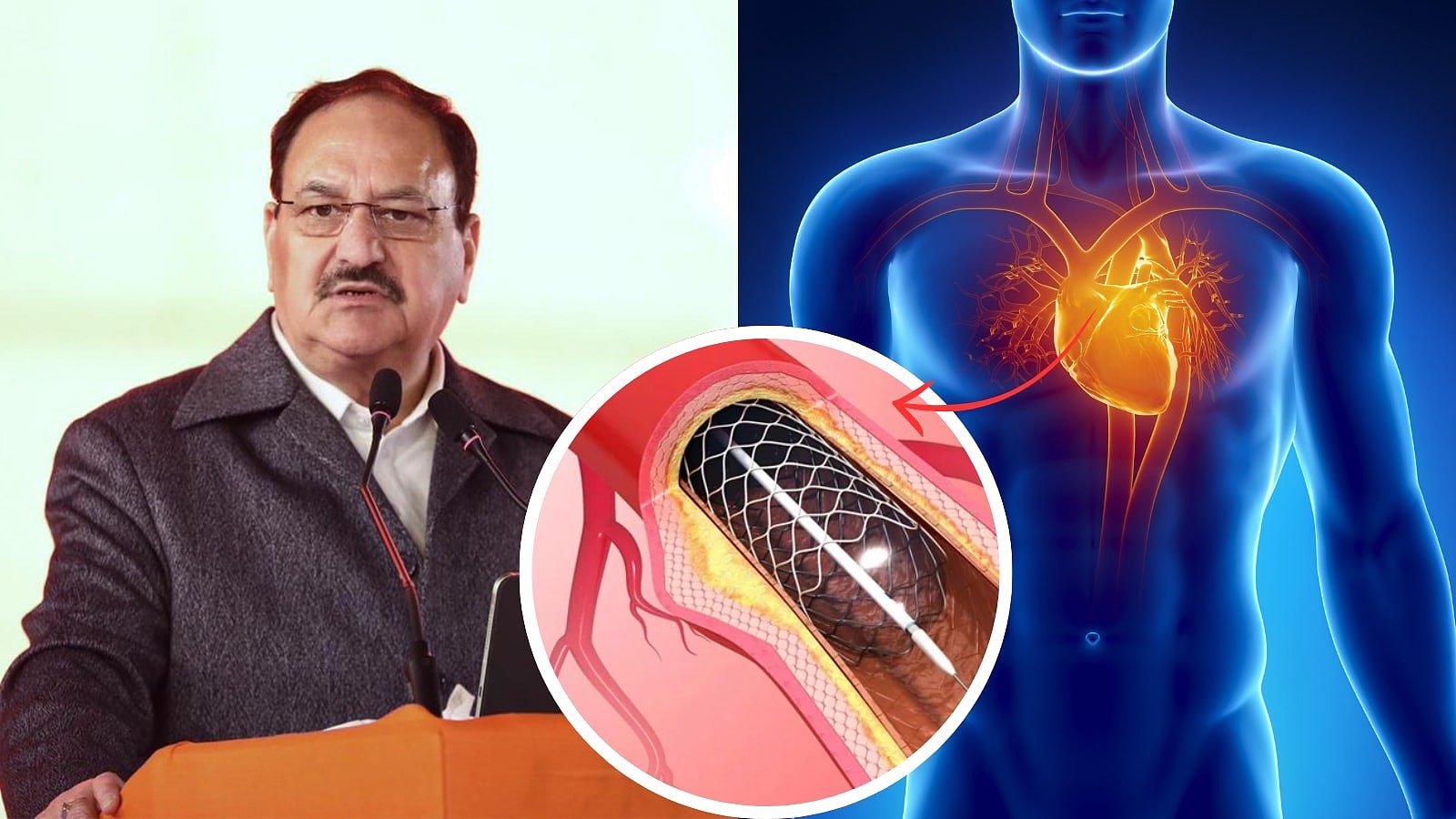
Coronary angiography is a diagnostic test that examines the blood vessels supplying the heart. A thin catheter is usually inserted through an artery in the wrist or groin, contrast dye is injected, and X-ray imaging shows whether the arteries are narrowed or blocked.
Doctors may recommend the procedure for chest pain or pressure, abnormal ECG or stress-test results, shortness of breath suggestive of reduced blood flow to the heart, or other symptoms that raise concern for coronary artery disease. Undergoing angiography does not automatically mean a person has suffered a heart attack; it can also help exclude significant blockages and guide further treatment.
Heart-related Symptoms You Should Not Ignore
Immediate medical attention is advisable if uneasiness is accompanied by
chest pain
tightness or heaviness lasting more than a few minutes
pain spreading to the left arm, jaw, back, neck or shoulders
sudden shortness of breath; cold sweats
fainting or severe dizziness
unexplained nausea with chest discomfort.
Women, older adults and people with diabetes may experience atypical symptoms such as unusual fatigue, indigestion-like discomfort or breathlessness without significant chest pain.
For now, AIIMS has described JP Nadda as stable and under observation. Since the hospital has not released details of his test results, there is no confirmed evidence that his uneasiness was caused by a serious cardiac condition.