Ghee, Parathas And Pilates: Kareena Kapoor’s Post-Pregnancy Weight Loss Wasn’t What You’d Expect
Years after welcoming her first child, Kareena Kapoor’s post-pregnancy transformation continues to attract attention, not because it involved an extreme diet, but because the actor famously said she never starved herself
Por Swati Chaturvedi··28K lecturas
Ghee, Parathas And Pilates: Kareena Kapoor’s Post-Pregnancy Weight Loss Wasn’t What You’d Expect
Years after welcoming her first child, Kareena Kapoor’s post-pregnancy transformation continues to attract attention, not because it involved an extreme diet, but because the actor famously said she never starved herself.
For years, Kareena Kapoor Khan’s approach to fitness has been discussed almost as much as her films. But when the actor became a mother for the first time, her post-pregnancy transformation came with a message that was surprisingly simple: she did not believe in starving herself to lose weight.
Her approach was less about a dramatic makeover and more about food, movement, patience and consistency.
Kareena Wasn’t Trying to Hide Her Pregnancy Weight
During her pregnancy, Kareena was unusually candid about gaining weight. In a 2017 conversation with nutritionist Rujuta Diwekar, she recalled putting on around 18 kg and said she continued eating foods she enjoyed, including ghee and parathas.
Rather than attempting to maintain a restrictive diet, Kareena said she wanted to experience her pregnancy normally.
She even described proudly carrying her changing body right up to delivery, rather than treating pregnancy weight gain as something she needed to be embarrassed about.
That attitude became an important part of her post-pregnancy philosophy.
‘I Never Starved Myself’
Kareena later made her position even clearer. Speaking about her transformation, she stressed that she had never tried to starve herself to become thin. She attributed much of her relationship with food to growing up in a family where eating well was part of everyday life.
She also credited Rujuta Diwekar, who worked with her on nutrition, for helping her maintain a balanced approach rather than eliminating foods simply because they contained fat or carbohydrates.
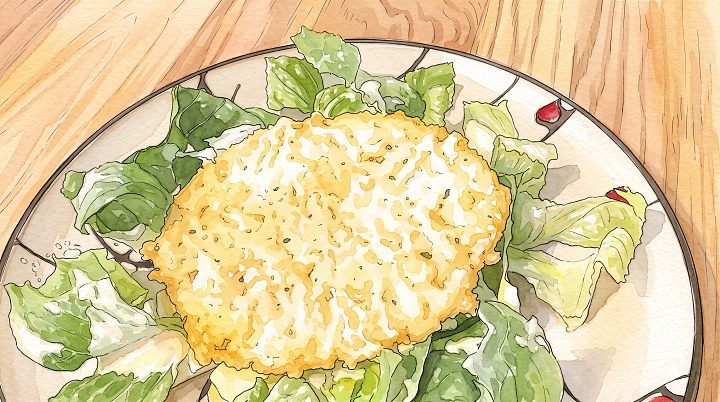
One of the most striking details from Kareena’s post-pregnancy diet was that ghee and traditional Indian foods were not automatically off the menu.
In fact, Diwekar encouraged her to continue eating familiar foods in appropriate quantities instead of turning to an extreme diet.
Rice, Ghee and Parathas Were Still Part of the Conversation
At the time, Kareena admitted that she was initially surprised by some of the foods recommended during her recovery.
Rice, for instance, remained part of her meals, while traditional foods such as paratha with ghee were not treated as forbidden foods.
Diwekar’s philosophy was centred on rebuilding the body gradually after childbirth rather than immediately chasing weight loss. She specifically cautioned against crash diets, describing the goal as a sustainable process rather than something that would produce rapid results and then become difficult to maintain.
That distinction is important because Kareena’s transformation is often reduced to a before-and-after photograph, while her own account was much more nuanced.
Her Fitness Journey Started From a Weaker Point
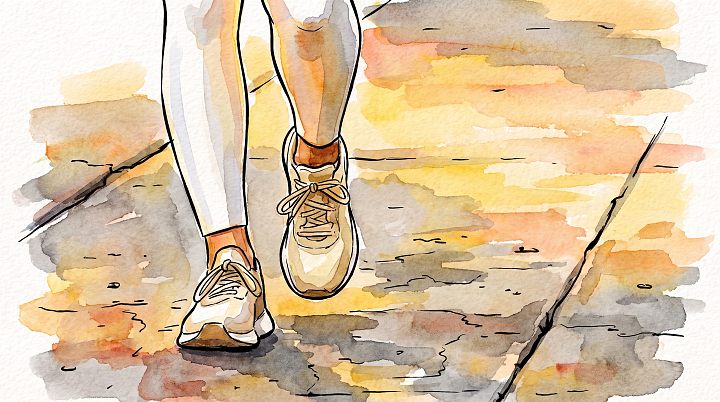
Exercise was another area where Kareena took a gradual approach. After delivery, she had a weak back, according to her later account, and her Pilates instructor Namrata Purohit adjusted her training accordingly.
Rather than immediately returning to the intense workouts associated with her pre-pregnancy fitness routine, Kareena said they started with just eight repetitions of each exercise.
Over time, the intensity increased. She eventually progressed to workouts involving substantially more repetitions and higher intensity.
The progression is perhaps more revealing than the eventual result: her fitness routine had to adapt to what her body could actually manage after childbirth.
She Wanted Her Body Back But Not Overnight
Kareena has also spoken about the psychological side of returning to work after becoming a mother. In 2018, she recalled wearing tight clothes after giving birth and hearing comments about how much weight she had gained. Her response, she said, was essentially that she was comfortable with herself and knew she was already working towards getting fitter.
She described losing the pregnancy weight as “another journey”, rather than something she expected to happen immediately.
That perspective also fits with what she told fans shortly after Taimur’s birth: the objective was to work continuously and sustainably rather than rush the process.
The Number on the Scale Wasn’t the Whole Story
Later reports have cited Kareena losing around 32 kg over 19 months following her first childbirth. But the number itself doesn’t tell the full story.
Kareena’s own descriptions repeatedly returned to the same themes: she ate wholesome food, worked with nutrition and fitness professionals, increased exercise gradually and did not try to punish herself for gaining weight during pregnancy.
That makes her post-pregnancy journey particularly interesting today, when celebrity transformations are often presented as instant results.
Kareena’s Biggest Lesson? Don’t Treat Food as the Enemy
Perhaps the most enduring part of Kareena’s story isn’t how many kilos she eventually lost. It’s her insistence that losing weight did not require her to stop eating well.
Her post-pregnancy routine was built around a combination of nourishment and exercise, with traditional Indian foods remaining part of the picture.
And while Kareena’s exact routine was designed for her with professional guidance and shouldn’t be treated as a universal postpartum diet, the broader message is worth noting: pregnancy changes the body, and recovery is a process—not a race.
For Kareena, getting back into shape after Taimur wasn’t about erasing pregnancy overnight. It was about giving herself time, trusting her experts and gradually rebuilding strength.
And perhaps that’s the part of her famously discussed fitness journey that deserves the most attention, not the weight she lost, but the fact that she never believed she had to starve to lose it.