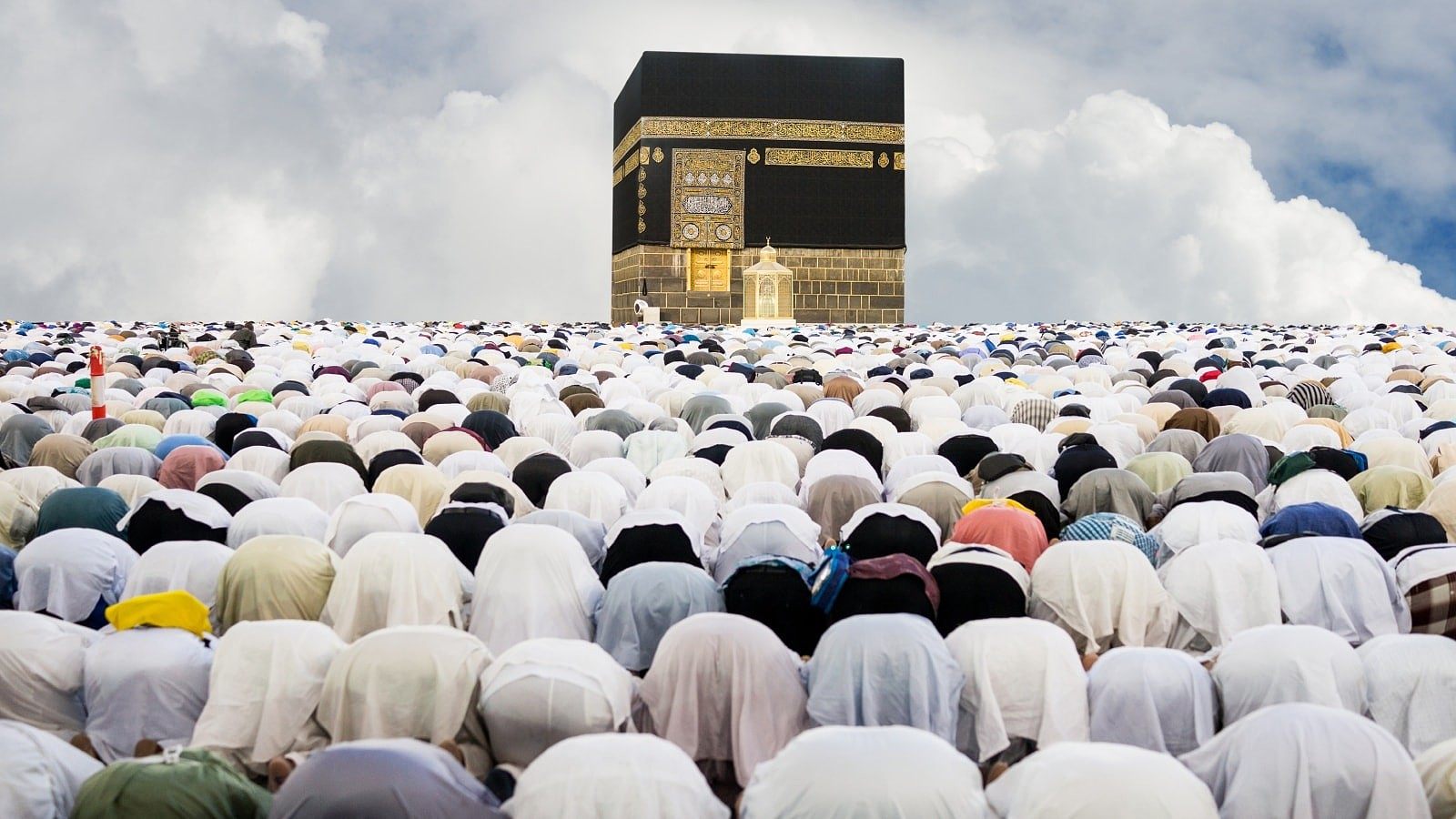
Eid-e-Milad 2026: Traditions, Prayers, Processions And How It Is Observed
Eid-e-Milad 2026: Eid-e-Milad, also known as Milad-un-Nabi or Mawlid, commemorates the birth of Prophet Muhammad and is observed by many Muslim communities around the world. In India, the occasion is traditionally associ
Por Nibandh Vinod··6K lecturas
Eid-e-Milad 2026: Traditions, Prayers, Processions And How It Is Observed
Eid-e-Milad 2026: Eid-e-Milad, also known as Milad-un-Nabi or Mawlid, commemorates the birth of Prophet Muhammad and is observed by many Muslim communities around the world. In India, the occasion is traditionally associated with religious gatherings, prayers, recitations, sermons, charity, community meals and, in some places, processions. The observance falls in Rabi al-Awwal, the third month of the Islamic lunar calendar.
The exact date can vary according to moon sighting and local religious practice. In 2026, Indian holiday calendars list Milad-un-Nabi on August 26. For many devotees, the occasion is an opportunity to remember the Prophet’s life and teachings and reflect on compassion, service, peace and community.
Eid-e-Milad 2026 Date in India
Eid-e-Milad, or Milad-un-Nabi, will be observed in India in 2026 on Wednesday, August 26.
Read More: Eid Milad Un Nabi 2026 Date: When Is Eid-E-Milad? History And Significance
The occasion is associated with the Prophet Muhammad’s birth and is observed during Rabi al-Awwal, the third month of the Islamic calendar. Different Muslim communities observe the occasion on different dates within the month. Many Sunni communities associate Mawlid with 12 Rabi al-Awwal, while many Shi’a communities mark it on 17 Rabi al-Awwal.
What Is Eid-e-Milad?
Eid-e-Milad refers to the observance commemorating the birth of Prophet Muhammad. It is also known by names including Milad-un-Nabi and Mawlid.
For many Muslims who observe it, the occasion centres on remembering the Prophet’s life, character and teachings. Religious scholars and community speakers may discuss his teachings and their relevance to everyday life, with emphasis on values such as compassion, charity, unity, service and peaceful coexistence.
Read More: Eid-E-Milad 2026 Date: Is August 26 A Government Holiday?
India’s Ministry of Tourism describes Eid-e-Milad as an occasion marked by gatherings and traditions that remember the Prophet’s life and teachings.
Some communities hold elaborate gatherings and processions, while others observe the occasion more privately or do not mark it as a festival.
How Is Eid-e-Milad Observed?
Religious gatherings and Milad programmes
One of the common forms of observance in India is the organisation of Milad gatherings, sometimes called Milad Mehfils. Religious scholars may speak about the Prophet’s life, character and teachings, while participants listen to devotional recitations and religious poetry.
Such gatherings can take place in mosques, community centres, homes and other designated spaces. In some areas, Seerat conferences are also organised to discuss the Prophet’s life and teachings.
Prayers and Quran recitation
Many people use the occasion for additional worship, including personal prayers, Quran recitation, remembrance of Allah and sending blessings upon the Prophet.
Some communities organise extended or night-long prayer gatherings.
Naat and devotional recitations
Devotional poetry and naats praising the Prophet Muhammad are an important feature of Milad gatherings in many communities. These recitations may be accompanied by speeches or discussions about his life, conduct and teachings.
Public and private gatherings can therefore combine remembrance, religious instruction and devotional expression.
Processions and public gatherings
In several parts of India, Eid-e-Milad is marked by religious processions or marches. Participants may carry banners or flags, recite devotional material and gather in large numbers.
Processions are a prominent tradition in some regions but are not a universal requirement of Eid-e-Milad. Their size and format vary from city to city. In previous years, processions have been reported in places including Delhi and other parts of India.
Because large gatherings can affect traffic and public movement, local authorities may issue arrangements or advisories for procession routes and timings.
Decorating homes and mosques
Some communities decorate homes, mosques and streets with lights, banners and other festive elements. Green is also commonly associated with Milad celebrations in parts of India and other regions, although the colour is not a universal religious requirement.
Charity and community meals
Charity and sharing food are also associated with the spirit of the occasion in many communities. Communal meals may be organised at mosques or community centres, while families and individuals may distribute food or contribute to charitable activities.
These acts reflect the emphasis many communities place on generosity, service and helping others while remembering the Prophet’s teachings.
Seerat discussions
Another important part of observance is learning about the Prophet’s life, known as his Seerat. Scholars and speakers may discuss episodes from his life, his conduct towards others and teachings relating to compassion, justice, patience, charity and community.
Such sessions can provide an opportunity for families and younger members of the community to learn about Islamic history and religious values.
Why Is Eid-e-Milad Significant?
For Muslims who observe Mawlid, the occasion provides an opportunity to remember Prophet Muhammad’s birth and reflect on his life and teachings.
In India, official messages around Milad-un-Nabi have also highlighted themes such as love, compassion, charity, service, unity and harmony. The President of India’s 2025 message, for example, described the occasion as an opportunity to draw inspiration from the Prophet’s teachings and promote peace and brotherhood.
The National Commission for Minorities has likewise highlighted the cultural and historical significance of the Prophet’s teachings and themes of love, tolerance and brotherhood in connection with Eid-e-Milad observances.
Eid-e-Milad 2026: What To Expect
In India, celebrations may include mosque gatherings, Seerat programmes, devotional recitations, prayers, charity initiatives, community meals and public processions, depending on local customs.
People attending public events should follow local administration and community guidelines, particularly where large processions are planned. Traffic restrictions or changes to public movement may be introduced around major gatherings.
Eid-e-Milad 2026: Frequently Asked Questions
When is Eid-e-Milad 2026 in India?
Milad-un-Nabi will be observed on Wednesday, August 26, 2026.
What is Eid-e-Milad?
Eid-e-Milad, also called Milad-un-Nabi or Mawlid, is an observance commemorating the birth of Prophet Muhammad. It is observed in different ways by Muslim communities around the world.
Is there a special Eid prayer for Eid-e-Milad?
There is no single universally prescribed Eid-e-Milad prayer equivalent to the Eid prayer associated with Eid al-Fitr or Eid al-Adha. Communities that observe Mawlid may instead organise prayers, Quran recitation, dhikr, religious talks and devotional gatherings according to their traditions.
Are Eid-e-Milad processions compulsory?
No. Processions are a tradition followed in some communities and regions, particularly in parts of South Asia, but they are not a universal requirement for all Muslims who observe Mawlid.
What are common Eid-e-Milad traditions?
Depending on the community, traditions can include religious gatherings, Seerat discussions, Quran recitation, prayers, naats, charity, communal meals, decorations and processions.