China’s ‘Hardship Camps’: Parents Pay ₹1.5 Lakh To Make Kids Farm, Feed Pigs And Live Without Phones
For some children, summer holidays mean video games, swimming pools and lazy mornings in bed. In parts of China, however, an unusual summer trend is taking children in the opposite direction, away from smartphones and ai
Por Swati Chaturvedi··5K lecturas
China’s ‘Hardship Camps’: Parents Pay ₹1.5 Lakh To Make Kids Farm, Feed Pigs And Live Without Phones
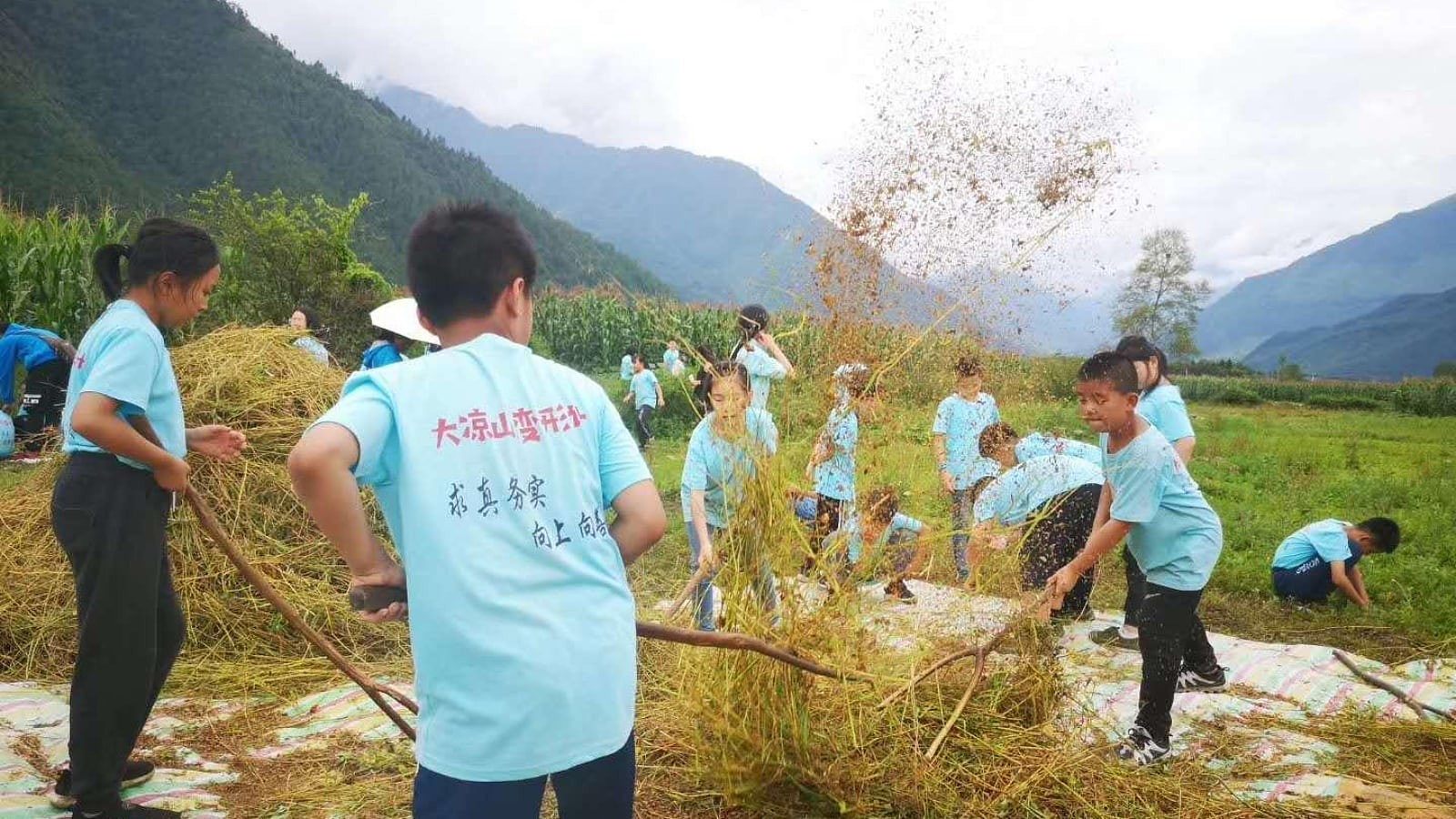
For some children, summer holidays mean video games, swimming pools and lazy mornings in bed. In parts of China, however, an unusual summer trend is taking children in the opposite direction, away from smartphones and air-conditioned homes and towards farm fields, livestock and physically demanding chores.
Known as “hardship camps”, these programmes are attracting parents who want their children to experience a tougher, more physically demanding lifestyle and understand the effort involved in earning money and maintaining a comfortable home.
The idea sounds simple: if children have grown up surrounded by comfort, perhaps they need to experience discomfort to appreciate it.
But videos from some of these camps, showing children crying or asking to go home, have also sparked debate over whether deliberately creating hardship is the right way to teach resilience.
A Summer Holiday With A Very Different Schedule
The camps are primarily being reported in southwestern provinces including Sichuan, Guizhou and Yunnan, where children from urban families are sent to rural areas for programmes designed around farm life.
Instead of conventional summer-camp activities, participants may be expected to wake up early and take part in chores modelled on the daily work of farmers.
That can mean digging potatoes, selling produce, peeling bark, chopping firewood and feeding pigs or other livestock.
Some programmes also involve children staying in rural homes and following a strict daily routine, giving them a temporary glimpse of a lifestyle that can be vastly different from their city-based lives.
The camps are not simply designed as rural holidays. Labour is central to the experience.
Children Are Paying To Do Farm Work
The strangest part of the trend is perhaps the economics. The children aren’t travelling to the countryside to earn money. Their parents are paying the camps to make them work.
According to the South China Morning Post, one programme charges more than 4,000 yuan for a 10-day course, while programmes lasting up to a month can cost more than 10,000 yuan. That works out to roughly ₹50,000–₹60,000 for 10 days and around ₹1.5 lakh for a month, depending on exchange rates.
Chinese local media has also reported camps charging around 5,000 yuan for 10 days, with some month-long programmes costing more than 10,000 yuan. In some cases, demand has reportedly been strong enough for parents to wait for places.
So while the children are doing work that would normally be associated with earning a living, the money is flowing in the opposite direction: parents are paying for the experience.
No Phones, Strict Routines And Plenty Of Chores
Part of the appeal and the shock, comes from how different the camps are from the children’s everyday routines.
Phones and internet access may be restricted or taken away. Children are expected to follow structured schedules and complete assigned tasks.
Some programmes operate a points or work-based system, with children earning basic supplies according to how much work they complete. In some camps, children who fail to finish their tasks may be given only potatoes for a meal.
The idea, organisers say, is not simply to tire children out.
They want participants to understand that food, money and the comforts they enjoy at home are connected to somebody’s labour.
Some organisers also say the camps are intended to address habits such as excessive smartphone use, picky eating and reluctance to work. At the same time, operators have said that because the participants are children, programmes include periods of rest and recreation and are not intended to involve excessively intense physical activity.
When The Holiday Turns Into An Emotional Test
For some children, however, the experience appears to be anything but enjoyable.
Videos circulating on Chinese social media show children crying while carrying out farm work and pleading to go home. One child reportedly said they were willing to do almost anything including homework, as long as they did not have to work on a farm.
Some camps also ask children to write letters to their parents during their stay.
According to a camp staff member quoted by the SCMP, parents can become emotional after receiving these letters or watching videos of their children, and some have subsequently recommended the camps to other families.
For parents, that emotional reaction may itself be part of the experience: a child who has never had to think about where food comes from or how hard their parents work is suddenly confronted with a very different reality.
Parents Say They Want Their Children To Understand Hard Work
The parents sending their children to these camps appear to have a common concern: comfort may be making it harder for children to understand the value of what they have.
One father from Sichuan, identified by the SCMP as Gao, sent his daughter, a first-year secondary-school student, to a hardship camp. Although she complained frequently about the conditions, he was surprised when she eventually found some of the farm work enjoyable.
Another parent from Shanghai sent her seven-year-old daughter to a 10-day programme.
The mother acknowledged that the experience did not completely change her daughter’s picky eating or reluctance to work. But she still felt that the camp had pushed her daughter beyond her familiar surroundings and comfort zone.
Other parents have reportedly been drawn to the camps because of concerns about children spending too much time on smartphones or taking everyday conveniences for granted.
The Comfort Problem Behind The Trend
At the heart of the phenomenon is a parenting dilemma that isn’t unique to China: How do you teach children to appreciate what they have when they have never experienced having less?
Many of today’s urban children have grown up with conveniences their parents may not have had at the same age. Food is readily available, household chores may be handled by adults or domestic workers, entertainment is available instantly through a screen and daily life is often far removed from physical labour.
For some parents, that creates a disconnect. They may have worked hard to give their children an easier life, only to worry that the easier life has left their children unfamiliar with the effort behind it.
The hardship camps attempt to close that gap through direct experience.
Rather than explaining that food takes work to produce, they have children dig for potatoes.
Rather than telling them that rural life can be physically demanding, they let them experience the work.
Rather than asking them to put down their phones, some camps simply take the phones away.
Where Does Resilience End And Punishment Begin?
Not everyone is convinced that this is the right approach. There is a meaningful difference between teaching children practical skills and deliberately making them uncomfortable.
Learning how food is grown, helping with chores, spending time outdoors and experiencing rural life can all potentially encourage independence and an appreciation for work.
But critics question whether using hunger, exhaustion or emotional distress as part of the lesson risks going too far.
Education experts cited in coverage of the camps have also cautioned against assuming that a short period of intense hardship will automatically produce lasting behavioural change. A child may temporarily become more compliant simply because they are under stress, without actually developing long-term resilience or better habits.
That distinction is important.
Experiencing difficulty is not automatically the same as learning resilience.
The outcome may depend on whether children are being given meaningful responsibilities in a supportive environment, or simply being subjected to discomfort because adults believe discomfort itself is educational.
Will A Few Days Of Hardship Change Children?
The evidence so far is mixed. Some parents say their children returned with a greater appreciation for work or a different attitude towards everyday comforts. Others admit that certain habits, such as picky eating or reluctance to help, did not magically disappear after the experience.
That may be the biggest question hanging over the trend. A child can spend 10 days digging potatoes, feeding pigs and living without a smartphone. But whether that experience changes the way they think months later is much harder to measure.
And there is another question: what happens when they return home?
If the experience leads to more participation in household chores, greater appreciation for food and a better understanding of how hard people work, the camp may have achieved what parents hoped for.
If the dominant memory is simply of being forced to work and wanting to escape, the lesson could be very different.
A Summer Camp Designed To Make Children Uncomfortable
China’s hardship camps are striking because they turn the traditional idea of a summer holiday on its head. Parents are paying thousands of yuan to send their children away from comfortable urban homes and into rural environments where they may have no smartphones, limited conveniences and a daily schedule built around physical work.
The camps are ultimately selling something unusual: not comfort, entertainment or academic enrichment, but a controlled encounter with discomfort.
Whether that produces gratitude, independence and resilience or simply a strong dislike of farm work, remains an open question.
For now, though, the trend reflects a growing concern among parents about children growing up surrounded by convenience and screens.
And perhaps that explains the strange appeal of these camps: parents who spent years making their children’s lives easier are now paying money to make those lives temporarily harder, hoping their children will finally understand what that comfort cost.