Breastfeeding Burns Calories, So Why Aren't You Losing Weight? Doctors Explain
New mothers hear it all the time: breastfeeding will help you lose the baby weight. It sounds simple, and is repeated so often that it reads like a fact now. Your body burns calories to make milk, so the weight should co
Por Mallika Bhagat··30K lecturas
Breastfeeding Burns Calories, So Why Aren't You Losing Weight? Doctors Explain
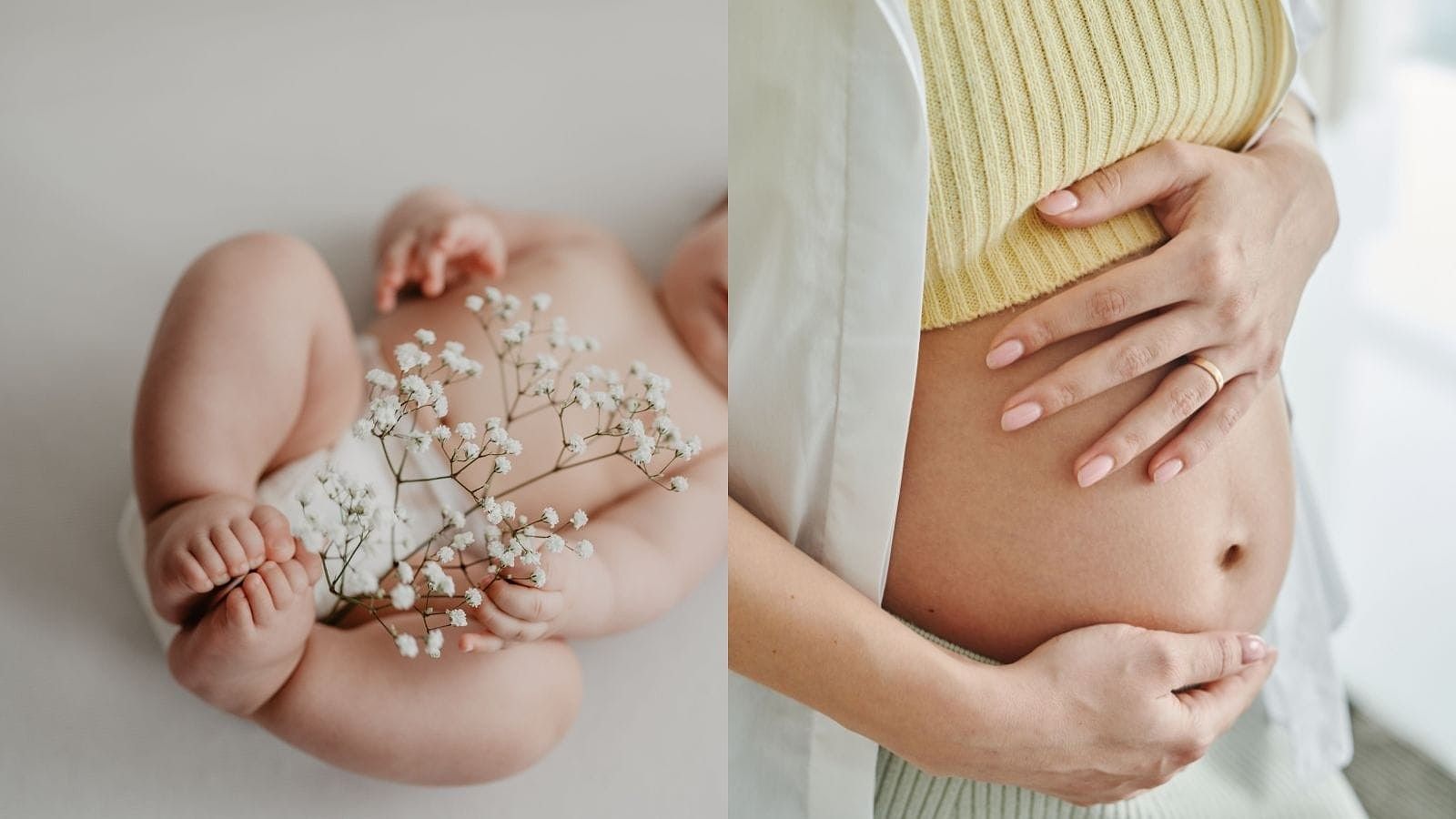
New mothers hear it all the time: breastfeeding will help you lose the baby weight. It sounds simple, and is repeated so often that it reads like a fact now. Your body burns calories to make milk, so the weight should come off. But according to two experts, it’s not that straightforward.
Does breastfeeding actually burn calories?
Yes, it does. Dr. Preetha Joshi, Consultant, Neonatal, Pediatric and Cardiac Intensivist at Kokilaben Dhirubhai Ambani Hospital Mumbai, says making breast milk takes real energy. “The CDC puts the additional requirement at around 330 to 400 calories a day for women who are exclusively breastfeeding,” she explains. But burning more calories doesn’t always mean losing weight. “Burning extra calories does not automatically show up as weight loss on the scale. Every woman’s body comes out of pregnancy differently, and what happens next depends on a combination of factors that vary from person to person.”
Studies do show a link between breastfeeding and losing weight after birth, but it’s a small one. “A systematic review in The American Journal of Clinical Nutrition found a link between breastfeeding and postpartum weight reduction, though the effect was generally small and inconsistent across individuals,” Dr. Joshi says. She adds that other research found breastfeeding for three to six months may help, but “pre-pregnancy weight, pregnancy weight gain, diet, and activity levels all play into how that actually looks.”
Dr. Suchitra Pandit, Senior Consultant, Obstetrics & Gynaecology at Surya Hospital agrees, though she points to an even higher calorie cost. “Producing breast milk requires approximately 450–500 extra calories per day, and the body draws upon stored energy reserves accumulated during pregnancy to support this process,” she says. “This is why many women gradually lose weight while breastfeeding. However, this isn’t universal, and it is important not to create unrealistic expectations.”
Is Your Baby Getting Enough Milk? A Lactation Expert Answers 20 Breastfeeding Questions Every New Mom Googles
Why doesn’t the weight just come off automatically?
Dr. Pandit says this is the biggest misunderstanding she sees in her practice. “In over three decades of clinical practice, one of the biggest misconceptions I have encountered is the belief that every breastfeeding mother should automatically become slimmer within a few months of childbirth. The postpartum body is incredibly intelligent—it prioritises healing, balances hormones and ensures a consistent milk supply for the baby before it prioritises weight loss.”
Two big reasons come up again and again: hunger and sleep. Dr. Joshi explains, “Nursing makes most women significantly hungrier, and eating more to compensate is a natural response. Layer on top of that the sleep deprivation that comes with a newborn, which throws appetite and metabolism regulating hormones off balance, and weight management becomes genuinely difficult.”
Dr. Pandit backs this up with more detail on what’s happening inside the body. “Sleep deprivation, which is almost inevitable with a newborn, increases cortisol levels and can make weight loss more challenging. Similarly, fluctuating hormones during the postpartum period can encourage the body to retain fat stores as a protective mechanism for lactation.” She also points out a common mistake new mothers make with food. “Many mothers assume they should eat significantly more because they are nursing, while others go to the opposite extreme and restrict calories to lose weight faster. Neither approach is ideal.”
What should new mothers actually do?
Neither doctor recommends dieting. Dr. Joshi points to advice from the American College of Obstetricians and Gynecologists, which “recommends a gradual approach to postpartum weight loss, built around balanced eating, hydration, and getting back to physical activity when the body is ready. Crash diets and aggressive calorie cutting are firmly off the table during breastfeeding, both because of the toll they take on energy and because dropping calories too low can affect milk supply.”
Dr. Pandit says the same thing, just with a focus on eating well rather than eating less. “The focus should be on nutrient-dense meals, adequate hydration, sufficient protein, whole grains, healthy fats, fruits, and vegetables, rather than calorie counting. A nourished mother is more likely to recover well, maintain her milk supply, and have the energy required to care for her newborn.”
Maybe weight isn’t the right question at all
Both doctors agree the real conversation should be about recovery, not the scale. Dr. Pandit says it best: “Perhaps the conversation needs to shift from ‘How quickly can I lose weight?’ to ‘How well is my body recovering?’ Pregnancy and childbirth are extraordinary physiological events. Expecting the body to immediately return to its pre-pregnancy state places unnecessary emotional pressure on new mothers, often contributing to anxiety, poor body image, and even postpartum depression.”
And the benefits of breastfeeding go far beyond weight anyway. Dr. Joshi notes it’s linked to “lower long term risks of breast cancer, ovarian cancer, type 2 diabetes, and hypertension” for mothers, plus well-known nutritional benefits for babies. Dr. Pandit adds that breastfeeding also “stimulates the release of oxytocin, helping the uterus contract and reducing postpartum bleeding,” on top of those same long-term health benefits.
Dr. Pandit says: “As obstetricians, we often remind mothers that breastfeeding is nature’s first preventive healthcare intervention not a fitness programme. Any gradual weight loss that occurs should be viewed as an added physiological benefit rather than the primary goal.” Her closing message to new mothers: “Your body has just created, delivered, and is now nourishing another human being. It’s worth should never be measured by how quickly it fits into old clothes, but by how remarkably it heals, adapts, and sustains new life. That is the true success story of the postpartum journey.”
Dr. Joshi leaves new mothers with a similar thought: “Breastfeeding can contribute to postpartum weight loss, but it is not a reliable or predictable route to getting back to pre-pregnancy weight. Whatever effect it has tends to be modest, shaped by sleep, nutrition, hormones, activity, and individual biology.”