Before The Red Fort Turned Red, Delhi’s Iconic Mughal Marvel Once Shimmered In White: Here's The Forgotten Story
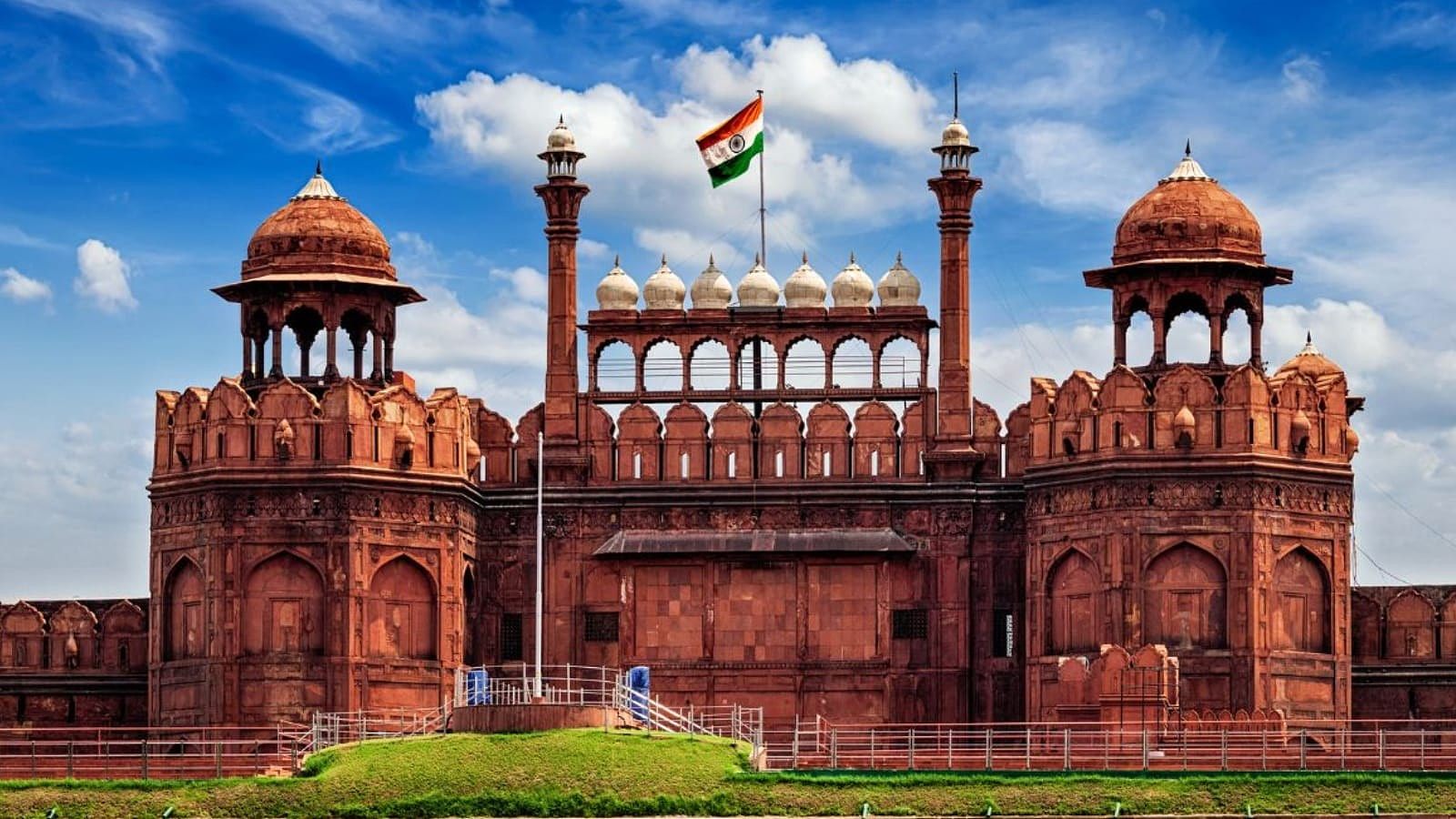
Every Independence Day, the Red Fort becomes the backdrop to one of India’s most recognisable national rituals. As the Prime Minister raises the tricolour from its ramparts, the monument’s imposing red walls are watched
Por Lifestyle Desk··26K lecturas
Before The Red Fort Turned Red, Delhi’s Iconic Mughal Marvel Once Shimmered In White: Here's The Forgotten Story
Every Independence Day, the Red Fort becomes the backdrop to one of India’s most recognisable national rituals. As the Prime Minister raises the tricolour from its ramparts, the monument’s imposing red walls are watched by millions across the country.
But the fort’s story began with a very different colour.
Long before it became the red sandstone landmark Delhi knows today, large portions of the Red Fort were covered in white lime plaster, while marble featured prominently across its palaces, audience halls and private chambers. The transformation from white to red is a lesser-known chapter in the monument’s long history, shaped by Mughal design, Delhi’s harsh climate and changes introduced during British rule.
Why Was The Red Fort Built?
The story begins in 1638, when Mughal emperor Shah Jahan decided to shift his capital from Agra to Delhi. Already celebrated for the Taj Mahal, he imagined his new seat of power as a grand palace-fortress on the banks of the Yamuna, a city within walls that embodied imperial authority and refined taste.
Completed a decade later, the complex was named Qila-e-Mubarak, or “The Blessed Fort”. Contrary to popular belief, its earliest appearance was not dominated by red sandstone. Large portions of the exterior were coated in white lime plaster, while marble featured prominently in palaces, audience halls and private chambers.
The choice was intentional. In Mughal aesthetics, white symbolised purity, divinity and sovereign power. Contemporary accounts and early sketches suggest the fort once shimmered under the Delhi sun, its pale surfaces set off by delicate inlay work, flowing water channels and gilded ceilings. Structures such as the Rang Mahal and sections of the Khas Mahal were designed to dazzle — reflecting light, luxury and meticulous craftsmanship.
Delhi, however, is not kind to stone. Blistering summers, heavy monsoons and winter pollution gradually wore down the fort’s original finishes. Lime plaster peeled away. Marble dulled. By the mid-19th century, much of the fort’s pristine appearance had faded.
Then came 1857.
After the uprising that would later be known as the First War of Independence, British forces seized the fort and exiled the last Mughal emperor, Bahadur Shah Zafar. What followed was not just a political rupture, but a physical one. Sections of the fort were converted for military use; others were stripped, altered or left to decay.
Faced with deteriorating white surfaces and little inclination to preserve Mughal aesthetics, the British chose practicality over restoration. Red sandstone, plentiful and resilient, became the preferred material for repairs. It endured Delhi’s climate better and required far less upkeep.
Not every part of the fort lost its original character. The Moti Masjid, with its white marble, remains a reminder of the lighter palette once associated with sections of the complex.
Inside the fort, spaces such as the Rang Mahal and Khas Mahal reveal another side of Mughal life. The Rang Mahal was associated with the royal women and featured the Nahr-i-Bihisht, or Stream of Paradise. The Khas Mahal served as the emperor’s private quarters.
The Delhi Gate and Lahore Gate remain two defining gateways of the complex, with the Lahore Gate later becoming particularly significant as a ceremonial entrance.
In 2007, the Red Fort was declared a UNESCO World Heritage Site, recognising its architectural and historical significance.
Today, its red walls carry layers of Mughal history, colonial intervention and post-Independence symbolism. Yet beneath that familiar red exterior is the memory of a monument that once appeared markedly different.
The Red Fort, in that sense, is more than a static landmark. Its changing surfaces tell a story of power, preservation and time.
The next time you see the red walls during an Independence Day ceremony, there is another image worth remembering: the Red Fort once shone in white.