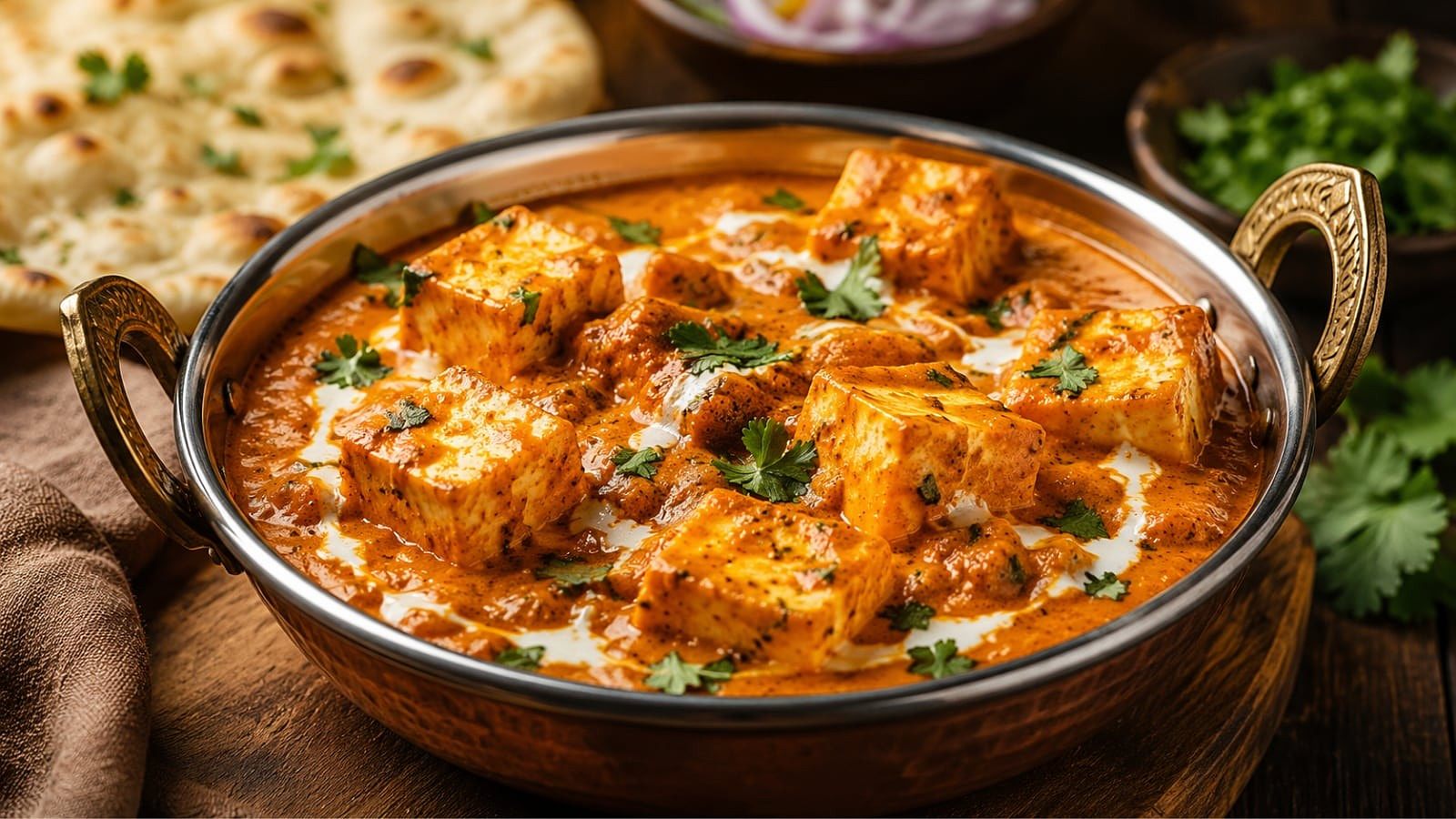
Zomato Bans Analogue Paneer: What Is The Difference Between Analogue Paneer And Dairy Paneer?
That paneer tikka you ordered, was it actually made from milk? Zomato’s latest move has put a lesser-known product called analogue paneer under the spotlight. The food delivery platform has asked restaurants to stop usin
লেখক Lifestyle Desk··24K বার পড়া
Zomato Bans Analogue Paneer: What Is The Difference Between Analogue Paneer And Dairy Paneer?
That paneer tikka you ordered, was it actually made from milk? Zomato’s latest move has put a lesser-known product called analogue paneer under the spotlight. The food delivery platform has asked restaurants to stop using analogue dairy products, but before you label it “fake paneer”, there’s an important difference you should know.
Zomato has announced a zero-tolerance policy towards analogue dairy products on its platform. Restaurants using such products have been asked to either switch to natural dairy products or remove those dishes from their menus. The platform has also asked restaurant partners to verify supplier labels and ingredient declarations so that customers know what they are actually ordering.
So, what exactly is analogue paneer? How is it different from the dairy paneer most of us know? And should you be worried if you’ve eaten it?
What Is Dairy Paneer?
Let’s start with the paneer most Indians are familiar with. Traditional dairy paneer is made from milk. Milk is heated and curdled using an acidic ingredient such as lemon juice, vinegar or another permitted acidulant. Once the milk separates into solid curds and liquid whey, the curds are collected, pressed and allowed to set.
The result is the soft and slightly crumbly paneer used in popular dishes such as matar paneer, palak paneer, shahi paneer and paneer tikka.
What Is Analogue Paneer?
This is where things get interesting. Analogue paneer is designed to resemble traditional paneer in appearance and texture, but some or all of its milk components may be replaced with non-dairy ingredients.
Depending on the formulation, these products can contain ingredients such as vegetable oils or fats, starches, plant proteins, emulsifiers and stabilisers. The exact formulation can differ from one product to another.
That means a cube of analogue paneer may look almost identical to traditional paneer on your plate, but the ingredients used to make it can be quite different.
And this is why calling it simply “fake paneer” isn’t necessarily accurate. An analogue product and an adulterated product are not automatically the same thing. The bigger issue is whether consumers are clearly informed about what they’re buying or eating.
Why Has Zomato Banned Analogue Paneer?
Zomato’s decision has put the spotlight on transparency in restaurant food. When a customer orders a paneer dish, they would generally expect the paneer to be a conventional milk-based product. Zomato says restaurants using analogue dairy products must either switch to natural dairy products or remove those dishes from its platform. Restaurants have also been asked to verify the labels and ingredient declarations provided by their suppliers.
The move comes amid growing scrutiny of dairy analogues in India. FSSAI has also emphasised the importance of appropriately identifying products made with dairy analogues so that consumers aren’t misled about the food being served.
For consumers, the concern is straightforward, if a dish is marketed as paneer, they should be able to understand what kind of paneer they are actually getting.
Is Analogue Paneer Unsafe?
Not necessarily. This is perhaps the most important point to understand before jumping to conclusions. Analogue does not automatically mean unsafe, just as a non-dairy product isn’t automatically unhealthy. Its nutritional quality and safety depend on the ingredients used, how the product is manufactured and whether it meets applicable food-safety requirements.
Some formulations may use plant proteins, while others may rely more heavily on vegetable fats, starches or other ingredients. As a result, the nutritional profile can be quite different from traditional dairy paneer.
The bigger concern is misrepresentation, when a product made using non-dairy ingredients is served or marketed in a way that makes consumers believe they are getting conventional dairy paneer.
The issue has also attracted regulatory attention. Maharashtra recently announced a one-year ban on the manufacture and sale of artificial or analogue paneer following an enforcement drive in which several samples failed to meet prescribed standards.
How Can You Tell The Difference?
If you’re buying packaged paneer, your best bet is to read the product name and ingredient list carefully. Traditional dairy paneer should be milk-based, while an analogue product should provide appropriate information about its nature.
Look at the ingredients rather than relying only on how the product looks. Vegetable oils or fats, starches and plant proteins can indicate that you’re dealing with a formulated non-traditional product.
Restaurants are a different story. Unless the menu specifically provides ingredient information, customers may have no easy way of knowing exactly what has gone into a paneer dish. This makes accurate menu descriptions and supplier declarations particularly important.
Zomato’s move doesn’t just raise questions about what restaurants are serving. It also highlights a larger conversation around food labelling, transparency and consumer choice.
So, the next time you sit down with a plate of paneer tikka, there’s one question worth keeping in mind, is that soft, delicious cube actually made from milk?