Kajali Teej 2026: August 30 Or 31? Know The Correct Vrat Date, Puja Timings And Rituals
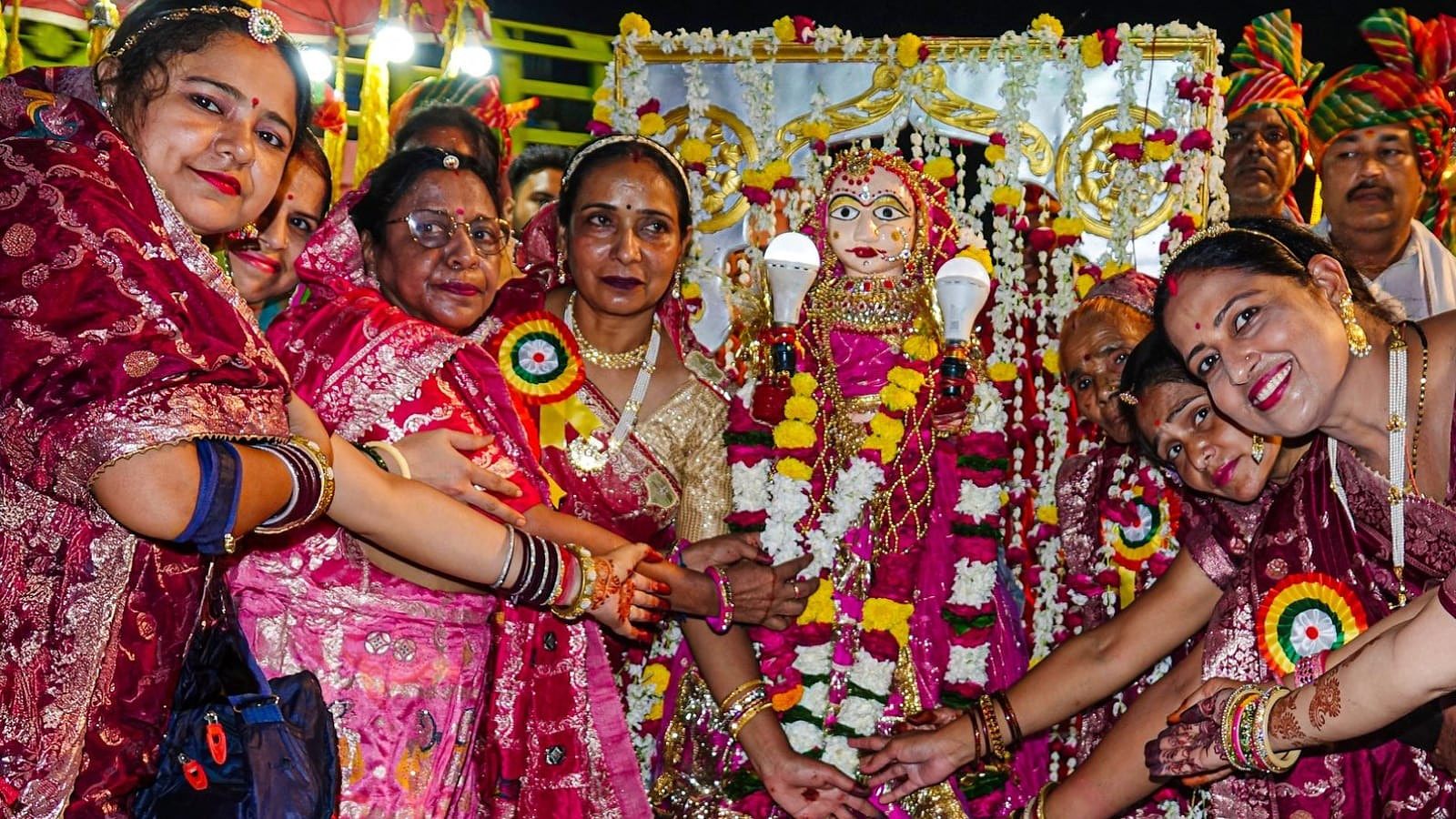
Kajali Teej is an important Hindu festival dedicated to Lord Shiva and Goddess Parvati. Married women traditionally observe a fast and pray for their husband’s long life, marital harmony and the well-being of their famil
লেখক Lifestyle Desk··16K বার পড়া
Kajali Teej 2026: August 30 Or 31? Know The Correct Vrat Date, Puja Timings And Rituals
Kajali Teej is an important Hindu festival dedicated to Lord Shiva and Goddess Parvati. Married women traditionally observe a fast and pray for their husband’s long life, marital harmony and the well-being of their family.
In 2026, the Tritiya Tithi spans two dates, creating confusion over whether the fast should be observed on August 30 or 31. Here is the correct date, along with the tithi timings, puja essentials and customary worship method.
When Is Kajali Teej In 2026?
Kajali Teej will be observed on Monday, August 31, 2026. The festival falls on Krishna Paksha Tritiya in the Hindu month of Bhadrapada. Although the Tritiya Tithi begins on August 30, it remains in effect at sunrise on August 31. Therefore, the vrat will be observed on August 31 according to the Udaya Tithi convention.
Kajali Teej 2026 Tithi Timings
Tritiya Tithi begins: 9:36 am on Sunday, August 30
Tritiya Tithi ends: 8:50 am on Monday, August 31
The timings may vary slightly according to the location. Devotees should consult a locally configured panchang before planning the puja.
Why Is Kajali Teej Celebrated?
Kajali Teej is traditionally associated with the divine union of Lord Shiva and Goddess Parvati. The festival represents devotion, marital love and perseverance.
Married women observe the vrat while praying for their husband’s longevity and a harmonious married life. Customs differ across families and regions, with some women keeping a nirjala fast without food or water and others following a phalahar fast consisting of fruits and permitted foods.
Anyone fasting should consider their health, the weather and medical needs. Pregnant women and people with diabetes or other health conditions should seek medical advice before undertaking a restrictive fast.
Puja Samagri For Kajali Teej
Prepare the worship space in advance to avoid searching for items during the puja. Commonly used materials include:
Clay idols or images of Lord Shiva and Goddess Parvati
A small platform and clean yellow cloth
Kalash and banana leaves
Raw cotton thread
Ghee, cotton wicks and a diya
Camphor, incense sticks and dhoop
Akshat, durva grass and sandalwood paste
Roli, abir and gulal
Coconut and betel nuts
Seasonal fruits and sweets
Milk, curd, ghee, honey and mishri for panchamrit
Sindoor, bangles, bindi, mehendi, mahavar, mirror and saree as solah shringar offerings
(The precise list may differ according to regional and family traditions.)
How To Perform Kajali Teej Puja
Begin the morning with a bath and wear clean or new clothes. Clean the puja area before taking the sankalp, or formal vow, to observe the fast with devotion.
In some regional traditions, devotees create a symbolic pond using clay and cow dung. A neem branch is placed beside it and worshipped as Neemdi Mata.
Next, place the idols or images of Lord Shiva and Goddess Parvati on the decorated platform. Light the diya and incense before offering roli, akshat, flowers, fruits, sweets, mehendi and items of solah shringar.
Some families also offer sattu as part of the traditional bhog. Recite or listen to the Kajali Teej vrat katha, perform the aarti and conclude the worship with prayers for the family’s well-being.
Kajali Teej practices vary considerably across regions, so devotees may follow the customs passed down within their families. The central purpose of the festival remains devotion, prayer and the celebration of marital and familial bonds.