Feeling Bloated After A Heavy Festive Meal? What Actually Helps And What Doesn’t
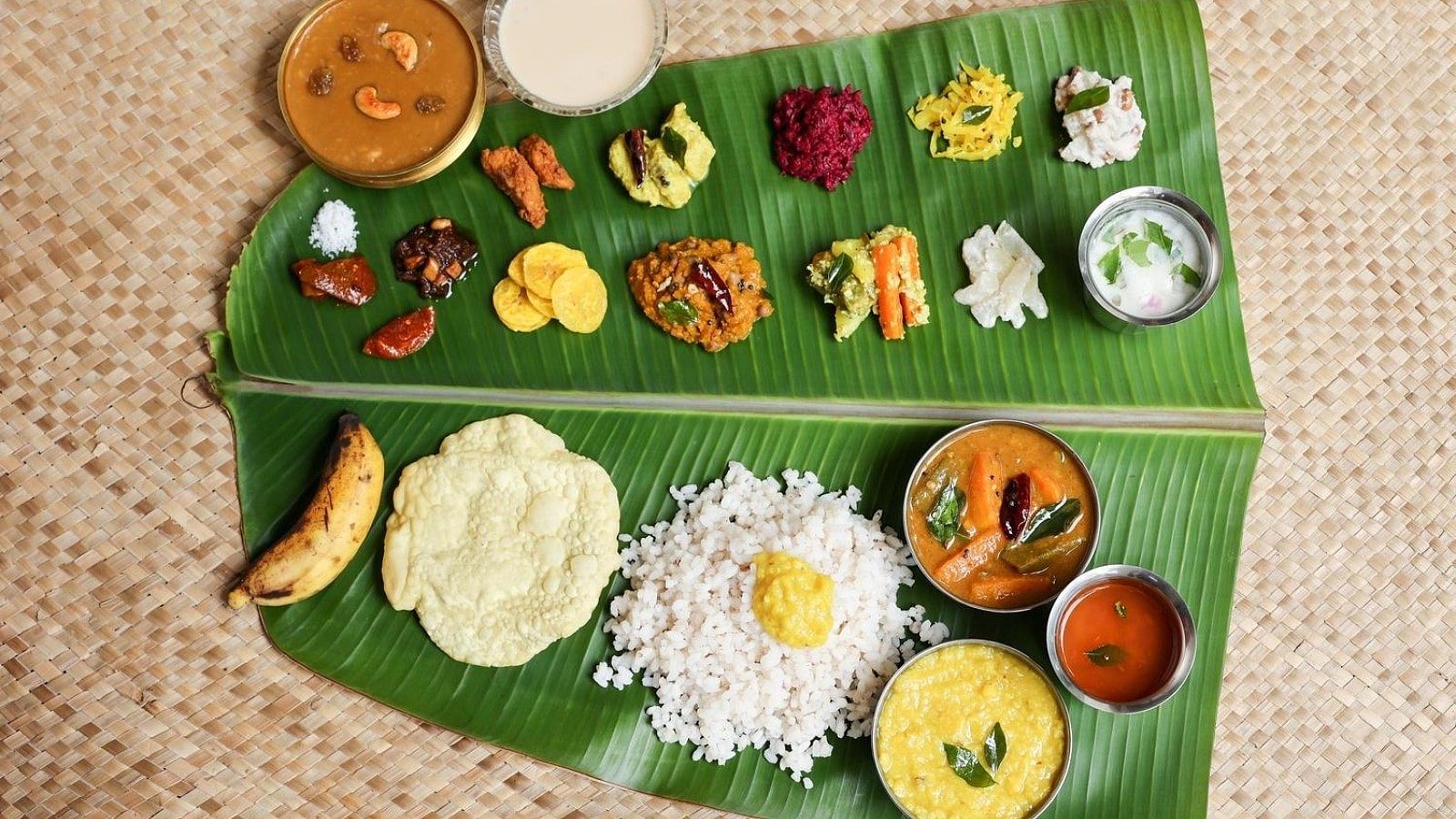
An Onam Sadhya is designed to be a feast. Served traditionally on a banana leaf, the elaborate vegetarian spread brings together dishes such as avial, olan, thoran, sambar, pachadi, rice and payasam, with each preparatio
লেখক Swati Chaturvedi··26K বার পড়া
Feeling Bloated After A Heavy Festive Meal? What Actually Helps And What Doesn’t
An Onam Sadhya is designed to be a feast. Served traditionally on a banana leaf, the elaborate vegetarian spread brings together dishes such as avial, olan, thoran, sambar, pachadi, rice and payasam, with each preparation adding its own flavour, texture and richness to the meal. But after going back for that extra serving, or simply trying a little of everything, it is not unusual to end up feeling excessively full, bloated, sluggish or uncomfortable.
And that is when the post-feast advice usually begins: drink warm water, take a long walk, skip the next meal, have a detox drink or fast the following day. But how much of this is actually useful?
Dr Narendra K Shetty, senior wellness and naturopathy expert, Chief Wellness Officer, Kshemavana Naturopathy & Yoga Center, Bengaluru, feels the answer is less about “undoing” a heavy meal and more about allowing the body to return to its normal rhythm.
Should you walk after a heavy Sadhya?
A gentle walk may be one of the simplest things you can do after a large meal. Dr Shetty recommends walking for around 10–20 minutes rather than immediately lying down.
“After a heavy meal, do not lie down immediately,” he says, adding that gentle movement can support digestion and ease the sensation of heaviness.
There is some research to support the idea that light movement may help people experiencing post-meal bloating. A randomised clinical trial found that a 10–15-minute walk after meals was associated with improvements in symptoms including post-meal fullness and bloating.
The important distinction, however, is walking, not working out. A Sadhya does not need to be “burned off” with an intense gym session.
Do you need to drink lots of water?
Hydration is important, but more is not necessarily better.
Dr Shetty recommends drinking according to the body’s needs and says sipping fluids rather than forcing down large quantities at once may be more comfortable. Warm water may feel soothing for some people, particularly when they are experiencing post-meal discomfort.
What you don’t need, however, is to treat water as a detox tool.
There is no reason to force excessive amounts of water after a large meal simply because you have overeaten. Similarly, a “detox” drink does not erase a heavy meal.
The takeaway: hydrate normally, but don’t turn hydration into another post-feast ritual you have to follow perfectly.
Should you skip your next meal?
This is where the idea of “giving your digestive system a rest” can easily turn into unnecessary restriction. Rather than compensating for a large festive meal by starving yourself the following day, it is more sensible to pay attention to hunger and fullness. If you are still full, your next meal can simply be smaller. Once your appetite returns, go back to a regular, balanced eating pattern.
Dr Shetty recommends smaller portions after a heavy festive meal rather than continuing with very large meals. He suggests choosing foods such as cooked vegetables, seasonal fruits, soups, lightly prepared dals and moderate portions of whole grains, while keeping fried foods, highly spicy preparations, processed snacks and oversized portions to a minimum for the next day or two.
The point is not to “undo” the Sadhya, but to avoid turning one indulgent meal into several days of overeating.
What about fasting?
Fasting is often presented online as a way to “reset” the digestive system after overeating. But it should not be treated as an obligatory post-Sadhya ritual.
Dr Shetty’s broader advice is to eat slowly, chew food properly and leave reasonable gaps between meals. Mindful eating, he says, can help prevent overeating in the first place.
For someone who is healthy and simply feels full after a festive meal, there is generally no need to jump into an extreme fast or restrictive “cleanse” just because the previous meal was heavy.
Think reset, not punishment.
What should you eat the next day?
The best response to a heavy festive meal may be surprisingly ordinary: return to your normal balanced diet.
Instead of surviving on juices or detox beverages, choose meals that are moderate in portion and nutritionally balanced. Cooked vegetables, dal, fruit, whole grains and other familiar foods can form part of the day’s meals, depending on individual tolerance and dietary needs.
If you are still experiencing discomfort, smaller meals may feel easier than immediately returning to large portions.
The goal is not to eat as little as possible. It is to eat according to what your body needs.
Can you sleep immediately after Sadhya?
That post-lunch or post-dinner food coma can be very real after a large meal, but immediately lying flat may not be comfortable for everyone, particularly people prone to acidity or reflux.
If you are feeling sleepy, give your body some time before going straight to bed. Sitting upright or taking a gentle walk can be a more comfortable option than immediately lying down.
And if you regularly experience severe heartburn, reflux or other digestive symptoms after meals, don’t automatically blame it on overeating, persistent symptoms are worth discussing with a healthcare professional.
What about detox drinks?
This is perhaps the biggest post-feast wellness myth to question. A lemon drink, herbal concoction or “detox water” may be refreshing and can contribute to fluid intake, but it should not be presented as something that literally cleanses the digestive system after a Sadhya.
The body already has its own systems for processing and eliminating waste. You don’t need a special drink to compensate for enjoying a festive meal.
The same applies to extreme cleansing programmes. There is little value in swinging from a huge feast to severe restriction.
So, what actually helps?
After an indulgent Onam meal, the most useful approach is also the least dramatic: move gently, hydrate normally, eat mindfully and give your body time.
As Dr Shetty puts it, the focus should be on supporting the body’s natural processes rather than looking for an instant “detox”.
And perhaps the most important takeaway is this: one festive meal does not determine your overall health.
Enjoy the Sadhya. If you feel overly full afterwards, take a gentle walk instead of reaching for an extreme workout, drink when you’re thirsty instead of forcing litres of water, and return to your usual balanced eating pattern when you’re hungry again. There is no need to punish your body for celebrating Onam.