Karwa Chauth 2026 Puja Vidhi: Step-By-Step Rituals From Sargi To Moon Sighting
Karwa Chauth 2026 Puja Vidhi: The preparations for Karwa Chauth begin before sunrise and culminate in the evening with prayers and the sighting of the Moon. Observed with devotion by married Hindu women, the festival is
بقلم Nibandh Vinod··25K قراءة
Karwa Chauth 2026 Puja Vidhi: Step-By-Step Rituals From Sargi To Moon Sighting
Karwa Chauth 2026 Puja Vidhi: The preparations for Karwa Chauth begin before sunrise and culminate in the evening with prayers and the sighting of the Moon. Observed with devotion by married Hindu women, the festival is associated with prayers for their husbands’ long life, good health and well-being. The day involves several traditional rituals, including eating Sargi, observing a fast, performing the evening puja, listening to the Vrat Katha and offering Arghya to the Moon.
This year, Karwa Chauth will be celebrated on Thursday, October 29. Women following the traditional nirjala vrat abstain from food and water from sunrise until the Moon is sighted and worshipped. Although the central rituals remain similar, customs and timings can vary by region and family tradition.
Read More: Karwa Chauth 2026 Date, Muhurat, Rituals And Significance Every Wife Must Know
Here is a step-by-step guide to Karwa Chauth 2026 Puja Vidhi, from the pre-dawn Sargi meal to moon sighting and breaking the fast.
Karwa Chauth 2026: Date And Puja Timings
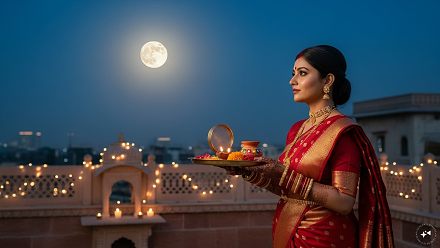
Karwa Chauth will be celebrated on Thursday, October 29. (Image: Shutterstock)
This year, Karwa Chauth will be celebrated on Thursday, October 29. According to Drik Panchang, the evening puja window for New Delhi is 5:38 PM to 6:56 PM. Moonrise is expected at around 8:17 PM in New Delhi, while Mumbai’s local Panchang gives a moonrise time of 9 PM.
Read More: Karwa Chauth 2026 Puja Samagri List: Check All Essential Items Required For Vrat
Festival: Karwa Chauth
Date: Thursday, October 29, 2026
Puja muhurat: Approximately 5:38 PM to 6:56 PM in New Delhi
Sargi is the traditional pre-dawn meal eaten before the Karwa Chauth fast begins. In many North Indian households, a mother-in-law prepares or gifts the Sargi thali to her daughter-in-law as a gesture of affection and blessings.
The meal commonly includes fruits, dry fruits, sweets, pheni or vermicelli, and water. Some families also include other homemade dishes, depending on their traditions.
Women generally eat Sargi before sunrise, with the exact time depending on local sunrise and family customs. The meal is intended to provide nourishment for the day ahead.
After Sargi, women may bathe, dress in festive clothing and apply mehendi, sindoor, bangles and other elements of solah shringar. They may then take a sankalp, or resolve, to observe the fast and offer prayers for their husbands’ well-being.
Read More: Karwa Chauth 2026: Why Do Women Look At The Moon Through A Sieve? Significance Of Karwa Pot And Moon Ritual
Step 2: Observe The Karwa Chauth Vrat During The Day
The traditional nirjala vrat begins at sunrise and continues until the Moon is sighted and worshipped at night. During this period, women observing the strict fast abstain from both food and water.
The day is generally spent resting, preparing for the evening puja and arranging the required samagri. In many communities, women also meet in groups to exchange festive greetings and discuss the rituals.
Some households organise gatherings to listen to or recite the Karwa Chauth Vrat Katha. Regional customs may differ, and fasting practices should be adapted to individual health needs rather than followed at the expense of well-being.
Read More: Karwa Chauth 2026 Sargi Time: What To Eat Before Sunrise And What To Include In The Thali
Step 3: Arrange The Puja Samagri And Prepare The Altar
Before the evening puja, clean the worship area and arrange the required items. Many families place pictures or idols of Goddess Parvati, Lord Shiva, Lord Ganesha and Kartikeya in the puja space.
The traditional puja thali may include:
A karwa, or small earthen or metal pot, filled with water
A diya with ghee or oil and cotton wicks
Roli or kumkum, akshat (rice grains) and flowers
Sweets and other customary offerings
A chhalni, or sieve, for the moon-sighting ritual
A lota or karwa for offering Arghya to the Moon
Families may also prepare additional items according to their regional and household traditions.
Step 4: Perform The Evening Karwa Chauth Puja
The evening puja is one of the main rituals of the festival. Devotees worship Goddess Parvati and Lord Shiva, along with Lord Ganesha and other deities according to their family customs.
Light the diya, offer flowers and prayers, and place the prepared offerings before the deities. Women then recite or listen to the Karwa Chauth Vrat Katha, which recounts the significance of observing the fast.
In many communities, women sit together in a circle, pass the karwa around or rotate their puja thalis while singing traditional songs and listening to the कथा. The sequence of these customs varies across regions.
For 2026, the general puja window for New Delhi is approximately 5:38 PM to 6:56 PM. Women should consult a Panchang for their own city, as the local muhurat may differ.
Step 5: Wait For Moonrise And Perform Chandra Darshan
Moon sighting marks the final stage of the traditional Karwa Chauth fast. Once the Moon becomes visible, women generally proceed to an open area, terrace or balcony to perform Chandra Darshan.
The customary ritual involves looking at the Moon through a sieve and offering Arghya, or water, using a lota or karwa while praying for happiness, prosperity and the well-being of the family.
In many households, women then look at their husbands through the sieve. This symbolic gesture is one of the festival’s most recognisable traditions.
Moonrise timings differ from city to city. The Moon is expected to rise at approximately 8:17 PM in New Delhi and around 9 PM in Mumbai on October 29, 2026. Actual sighting may be delayed by clouds, buildings or other obstructions.
Step 6: Break The Fast And Seek Family Blessings
After the Moon has been sighted and the customary prayers and offerings have been completed, the fast is traditionally broken.
In many households, the husband offers his wife the first sip of water and a small piece of sweet. The family may then share a meal and exchange blessings.
Some families also follow the tradition of giving or receiving baya, a customary gift associated with the festival. The gifts and the way they are presented vary according to family and regional customs.
Karwa Chauth 2026: Why Is The Festival Observed?
Karwa Chauth is traditionally observed by married Hindu women who pray for their husbands’ longevity, health and well-being. The festival is associated with devotion, marital commitment and family traditions.
The observance brings together fasting, worship, storytelling and the symbolic act of viewing the Moon before completing the fast. While the rituals are widely followed in North India, the exact practices and timings differ among communities.