Govardhan Puja 2026: Date, Shubh Muhurat, Significance And Puja Vidhi
Govardhan Puja, also known as Annakut, is an important Hindu festival dedicated to Lord Krishna and the worship of nature. Celebrated during the Kartik month, the festival commemorates the day Lord Krishna lifted Govardh
بقلم Nibandh Vinod··30K قراءة
Govardhan Puja 2026: Date, Shubh Muhurat, Significance And Puja Vidhi
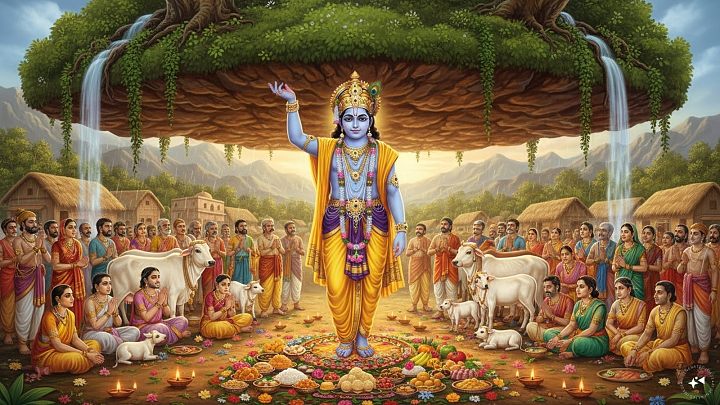
Govardhan Puja, also known as Annakut, is an important Hindu festival dedicated to Lord Krishna and the worship of nature. Celebrated during the Kartik month, the festival commemorates the day Lord Krishna lifted Govardhan Hill to protect the people of Braj from torrential rains sent by Lord Indra. Devotees mark the occasion by worshipping Govardhan Hill, preparing elaborate food offerings and performing Gau Puja (cow worship).
Govardhan Puja will be celebrated on Tuesday, November 10. The festival is observed on Kartik Shukla Pratipada, the first day of the bright fortnight of the Hindu month of Kartik. Devotees prepare Annakut offerings, perform special prayers and seek the blessings of Lord Krishna for prosperity, happiness and abundance.
Govardhan Puja 2026: Date And Tithi
Govardhan Puja is observed on Kartik Shukla Pratipada, which follows Diwali. Here are the important calendar details for 2026:
Festival: Govardhan Puja (Annakut)
Date: Tuesday, November 10, 2026
Hindu Tithi: Kartik Shukla Pratipada
Pratipada Tithi Begins: Monday, November 9, 2026, at 12:31 PM
Pratipada Tithi Ends: Tuesday, November 10, 2026, at 2:00 PM
The Pratipada Tithi begins on November 9 and continues until the afternoon of November 10. Since festival observances are determined using local Panchang calculations and sunrise timings, the date may differ across regions.
Govardhan Puja 2026: Shubh Muhurat And Puja Timings
Performing Govardhan Puja during an auspicious muhurat is considered important by devotees. According Drik Panchang, the morning puja window is from 6:40 AM to 8:50 AM.
Pratahkal Puja Muhurat: 6:40 AM to 8:50 AM
Duration: 2 hours 10 minutes
Abhijit Muhurat: 11:44 AM to 12:27 PM
Sayankal Puja Muhurat: 3:46 PM to 6:02 PM
Govardhan Puja 2026: Significance And Religious Importance
Govardhan Puja commemorates an important episode from Lord Krishna’s childhood in Braj. According to Hindu mythology, the people of Gokul traditionally worshipped Lord Indra, the deity associated with rain, to seek good rainfall and prosperity.
Lord Krishna encouraged the villagers to worship Govardhan Hill instead, explaining that the hill, forests, cattle and natural surroundings provided them with food, water and resources necessary for survival.
Angered by this change in tradition, Lord Indra unleashed torrential rain and thunderstorms upon the village. To protect the people and their cattle, Lord Krishna lifted Govardhan Hill on his little finger and provided shelter to everyone beneath it.
The incident eventually led Lord Indra to recognise Krishna’s divine power and surrender his pride.
The festival carries several important messages:
Respect For Nature
Govardhan Puja highlights the importance of protecting nature and recognising its contribution to human life. The festival encourages gratitude towards mountains, forests, rivers, animals and other natural resources.
Devotion To Lord Krishna
The festival celebrates Lord Krishna’s compassion, divine protection and close connection with the people of Braj. Devotees worship him to seek happiness, peace and prosperity.
Importance Of Cattle And Agriculture
Cows and bulls hold special importance during Govardhan Puja because of their contribution to agriculture and rural livelihoods. Devotees perform Gau Puja and offer food to cattle as a mark of gratitude.
Annakut And Chappan Bhog
Annakut means a mountain of food. Devotees prepare a variety of vegetarian dishes and arrange them as offerings to Lord Krishna. Chappan Bhog, comprising 56 varieties of food, is traditionally offered at several temples and households.
The food is subsequently distributed among devotees as prasad.
Govardhan Puja 2026: Puja Vidhi And Rituals
Devotees observe Govardhan Puja with traditional rituals, prayers and food offerings. Here is a step-by-step guide to performing the puja at home.
Clean The Puja Area
Begin the day by cleaning the house and the designated puja area. Devotees traditionally take a bath and wear clean clothes before beginning the rituals.
Prepare A Govardhan Hill Representation
Create a small symbolic mound representing Govardhan Hill using fresh cow dung or clay. Place it in the courtyard or a clean, designated worship area. A picture or idol of Lord Krishna can be placed nearby.
Decorate The Govardhan Mound
Decorate the symbolic hill with flowers, leaves, roli (vermilion) and akshat (unbroken rice grains). Light a ghee diya and offer incense as part of the worship.
Offer Annakut And Chappan Bhog
Prepare traditional vegetarian dishes, sweets, fruits, grains and other food items. Arrange the offerings before the Govardhan mound and Lord Krishna. In many temples, devotees prepare Chappan Bhog, consisting of 56 different food preparations.
Perform Govardhan Parikrama
Perform a symbolic circumambulation (parikrama) around the Govardhan representation while chanting prayers and devotional hymns dedicated to Lord Krishna. Devotees who visit Braj also undertake the traditional Govardhan Parikrama around the actual hill.
Perform Gau Puja
Worship cows and bulls by applying tilak and offering flowers. Feed them fresh grass, jaggery and fodder as a gesture of gratitude for their contribution to human life and agriculture.
Perform Aarti And Distribute Prasad
Conclude the puja by performing Lord Krishna’s aarti and offering prayers for the well-being of the family. Distribute the Annakut offerings and other prasad among family members, neighbours and devotees.
Annakut Festival: Why Are 56 Food Items Offered To Lord Krishna?
Annakut is one of the most prominent traditions associated with Govardhan Puja. The word Annakut translates to a mountain of food, symbolising abundance, gratitude and devotion.
Devotees prepare a wide variety of vegetarian dishes, sweets, fruits and traditional delicacies and arrange them as a symbolic mountain before Lord Krishna.
The tradition of Chappan Bhog is associated with the belief that 56 varieties of food are offered to Krishna. These offerings are subsequently distributed as prasad.
The Annakut tradition also reinforces the festival’s central message: gratitude for food, nature, agriculture and the resources that sustain life.
Govardhan Puja is therefore not only a celebration of Lord Krishna’s divine protection but also a reminder to respect nature, care for animals and share food with others.