Diwali 2026: Lakshmi Puja Samagri List – Items You Need For Worship
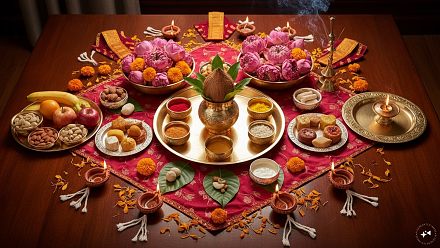
Diwali Puja Samagri: Diwali preparations are incomplete without arranging the essentials for Lakshmi Puja. As families get ready to celebrate the Festival of Lights, devotees begin preparing flowers, diyas, sweets, kalas
بقلم Nibandh Vinod··19K قراءة
Diwali 2026: Lakshmi Puja Samagri List – Items You Need For Worship
Diwali Puja Samagri: Diwali preparations are incomplete without arranging the essentials for Lakshmi Puja. As families get ready to celebrate the Festival of Lights, devotees begin preparing flowers, diyas, sweets, kalash, idols and other traditional offerings required for the evening worship.
The year, Diwali will be celebrated on Sunday, November 8. The festival falls on Kartik Amavasya, an important occasion when devotees worship Goddess Lakshmi, the Hindu deity of wealth and prosperity, along with Lord Ganesha, who is worshipped for wisdom and the removal of obstacles.
Lakshmi Puja is traditionally performed during the evening Pradosh period. Preparing the puja samagri in advance helps devotees organise the rituals without last-minute confusion.
Read More: Diwali 2026 Date: When Is Diwali? Check Correct Date, Day And Significance
From the idols and kalash to flowers, sweets, incense sticks and earthen lamps, here is a detailed Lakshmi Puja samagri list for Diwali 2026, along with the significance and uses of essential worship items.
When Is Diwali 2026 Lakshmi Puja?
Diwali will be celebrated on Sunday, November 8. Lakshmi Puja will be performed on the evening of Kartik Amavasya.
According to Drik Panchang, the Amavasya Tithi begins at 11:27 AM on November 8 and ends at 12:31 PM on November 9, 2026.
Lakshmi Puja is generally performed during Pradosh Kaal, the period after sunset.
Diwali 2026: Complete Lakshmi Puja Samagri List
The following list covers commonly used items for Lakshmi Puja. Some materials and rituals may differ according to regional practices, family traditions and the customs followed by individual households.
Deities And Altar Setup
The first step is to prepare a clean and organised space for worship. The following items are commonly arranged before beginning Lakshmi Puja:
Goddess Lakshmi idol or picture: The main deity worshipped during Diwali for blessings of wealth, abundance and prosperity.
Lord Ganesha idol or picture: Ganesha is worshipped alongside Goddess Lakshmi and traditionally receives prayers first.
Chowki or wooden platform: A clean, low wooden stool or table used to establish the puja altar.
Puja cloth: A clean red, yellow or white cloth spread over the chowki before placing the idols.
Puja aasan: A clean mat or seat for the devotee performing the rituals.
Keep the idols and pictures arranged neatly and ensure the altar has enough space for flowers, offerings and other puja essentials.
Read More: Diwali 2026: 10 Beautiful Home Decoration Ideas To Try This Year
Kalash Sthapana Essentials
Kalash Sthapana is an important ritual in several Hindu worship traditions. A kalash represents auspiciousness, abundance and the presence of divine blessings.
The following items are commonly used:
Kalash: A copper, brass or silver vessel filled with clean water or Gangajal.
Mango leaves: Traditionally arranged around the mouth of the kalash.
Coconut: A coconut, often with its husk, placed on top of the kalash.
Mauli or Kalava: A sacred red thread tied around the kalash and sometimes worn on the wrist.
Coin: A coin may be placed inside the kalash as a symbolic offering.
Akshat: Unbroken rice grains used in various stages of the worship.
The exact arrangement may vary according to family customs and the puja tradition being followed.
Tilak, Sacred Powders And Offerings
Traditional powders, seeds and sacred offerings are used during different stages of Lakshmi Puja.
Kumkum or Roli: Red vermilion powder used for applying tilak and making ritual markings.
Haldi: Turmeric, associated with auspiciousness and purification.
Akshat: Unbroken rice grains, sometimes mixed with turmeric or kumkum.
Chandan: Sandalwood paste used during worship.
Kamal Gatta: Lotus seeds traditionally associated with Goddess Lakshmi and used in certain Lakshmi worship practices.
Paan and Supari: Betel leaves and areca nuts offered as part of traditional Hindu rituals.
Coins and currency notes: Symbolic offerings placed near the deity during worship, often associated with prayers for financial well-being.
Diyas, Lighting And Aarti Essentials
Lighting lamps is one of the most recognisable traditions of Diwali. Diyas are placed around the home and near the puja area to symbolise the victory of light over darkness.
Arrange these items before the evening rituals:
Earthen diyas: Small clay lamps used to illuminate the puja area, entrances, windows and balconies.
Akhand diya: A continuously burning lamp used in some family traditions during worship.
Desi ghee or puja oil: Used as fuel for lighting the lamps.
Cotton wicks or baati: Placed inside diyas to help sustain the flame.
Agarbatti: Incense sticks used to create a pleasant fragrance during the puja.
Dhoop: Traditional incense used during worship.
Camphor or Kapoor: Commonly used during the final aarti.
Aarti thali: A plate used to arrange the diya, flowers and other aarti essentials.
Ghanta or bell: Used during prayers and aarti.
Matchbox or lighter: Required to light the lamps and incense.
Use lamps carefully and keep them away from curtains, paper decorations and other flammable materials.
Flowers, Bhog And Prasad
Offerings are an important part of Lakshmi Puja. Fresh flowers, fruits and traditional sweets are arranged before the deities as a mark of devotion.
The commonly used items include:
Lotus flowers: Traditionally associated with Goddess Lakshmi and commonly offered during her worship.
Marigold flowers: Used for garlands, decorations and offerings.
Rose flowers: Offered during prayers and used to decorate the altar.
Flower garlands: Used to adorn the idols and puja area.
Kheel: Puffed rice, a traditional Diwali offering.
Batashe: Traditional sugar drops commonly used during festive worship.
Mithai: Ladoos, barfi, peda and other sweets offered as bhog.
Fruits: Seasonal fruits arranged as offerings.
Panchmeva: A traditional assortment of dry fruits.
Panchamrit: A mixture traditionally prepared using milk, curd, honey, sugar and ghee.
After the rituals, the offerings are distributed among family members as prasad according to household customs.
Entrance Decoration And Lakshmi Paduka
Decorating the entrance is another important part of Diwali preparations. Many households create traditional designs and use auspicious symbols to welcome prosperity.
The following items can be kept ready:
Rangoli colours: Coloured powders or rice flour used to create decorative designs at the entrance.
Rangoli stencil: Useful for making symmetrical and intricate patterns.
Lakshmi Charan Paduka: Decorative footprints representing the arrival of Goddess Lakshmi, traditionally placed facing inward.
Flower petals: Used to decorate the entrance and rangoli.
Marigold torans: Flower garlands hung across the main doorway.
Mango leaf decorations: Traditional torans used during auspicious occasions.
A beautifully decorated entrance with flowers, rangoli and glowing diyas adds to the festive atmosphere.
How To Arrange Lakshmi Puja Samagri Before Worship
Once you have collected the required items, arrange them category-wise to make the evening rituals easier.
Prepare the altar: Clean the chowki and spread a fresh red or yellow cloth.
Arrange the deities: Place the idols or pictures of Goddess Lakshmi and Lord Ganesha respectfully.
Keep the kalash ready: Arrange the vessel, water, coconut, mango leaves and other traditional ingredients.
Prepare the offerings: Keep flowers, fruits, sweets, kheel and batashe in separate clean plates.
Arrange the lighting items: Keep diyas, cotton wicks, ghee, incense sticks and camphor together.
Prepare the aarti thali: Arrange the bell, diya, flowers and other required items.
Decorate the entrance: Complete the rangoli, toran and Lakshmi Paduka arrangements before the puja begins.
Are All Lakshmi Puja Samagri Items Mandatory?
Not necessarily. The exact list of Lakshmi Puja items can differ according to regional customs, family traditions and the form of worship being followed.
Some families may use a simple arrangement with idols, flowers, fruits, sweets, incense and diyas, while others follow more elaborate rituals involving Kalash Sthapana, Panchamrit and additional offerings.
Devotees can follow the traditions practised in their households and consult their family priest for specific ritual requirements. The emphasis is on performing the worship with devotion and sincerity rather than collecting every possible item.
Diwali 2026: Prepare Your Lakshmi Puja Samagri In Advance
Lakshmi Puja is one of the most significant rituals of Diwali. From arranging the idols and preparing the kalash to collecting flowers, sweets and earthen lamps, each item has a place in the traditional worship.