Dhanteras 2026: 7 Things You Should Never Buy On This Auspicious Day
Dhanteras is here! With the festive spirit of Diwali taking over homes across the country, the auspicious occasion of Dhantrayodashi marks the beginning of the five-day celebrations. Dedicated to Goddess Lakshmi, the dei
بقلم Lifestyle Desk··25K قراءة
Dhanteras 2026: 7 Things You Should Never Buy On This Auspicious Day
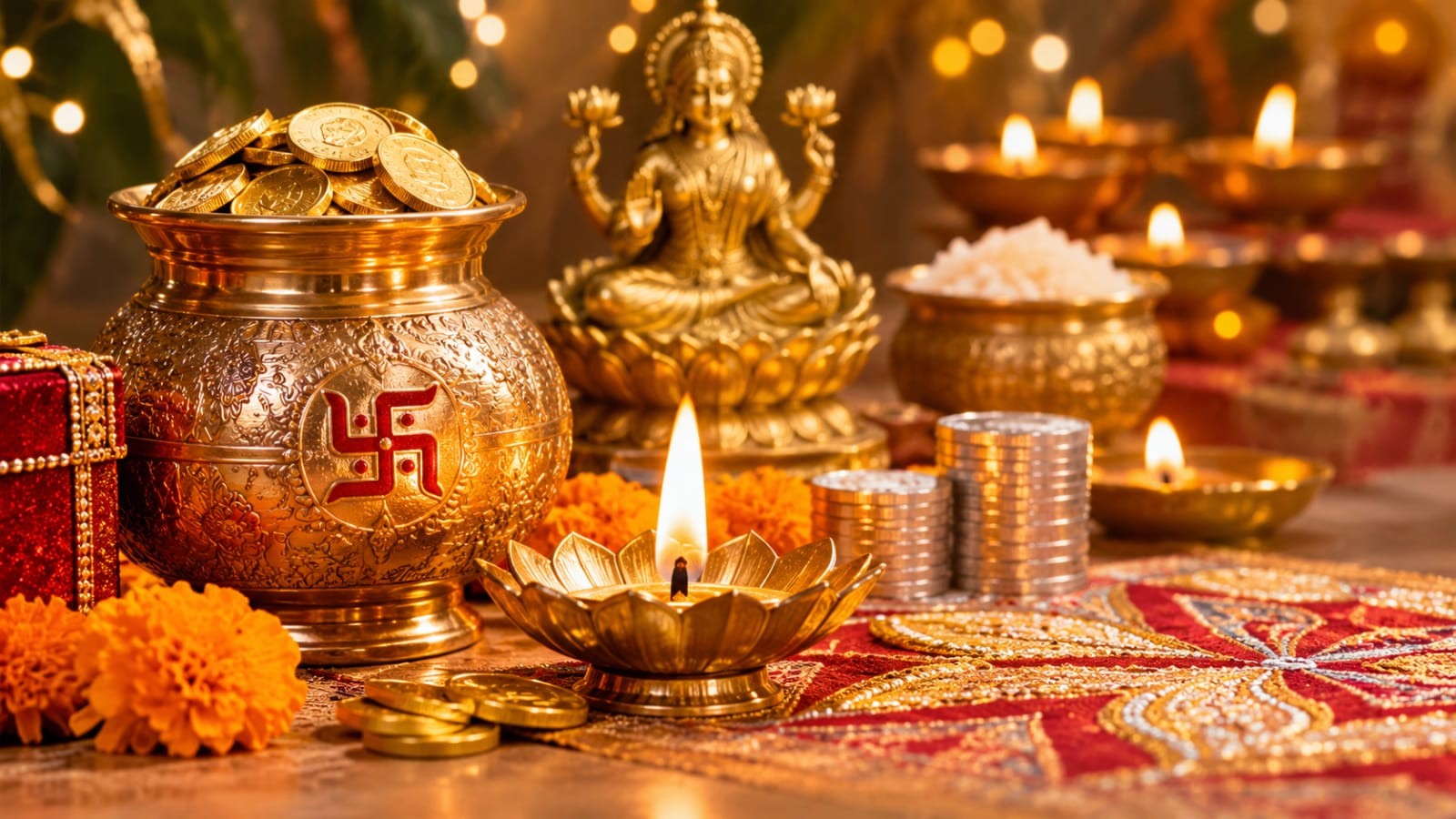
Dhanteras is here! With the festive spirit of Diwali taking over homes across the country, the auspicious occasion of Dhantrayodashi marks the beginning of the five-day celebrations. Dedicated to Goddess Lakshmi, the deity of wealth and prosperity, and Lord Dhanvantari, the god of Ayurveda and health, Dhanteras is considered an especially favourable day to welcome abundance, good fortune and positivity into the household. From buying gold and silver to bringing home new utensils, people follow age-old traditions in the hope of inviting prosperity and happiness.
This year, Dhanteras will be celebrated on Friday, November 6, 2026, two days ahead of Diwali. While purchasing precious metals and household essentials is considered auspicious, Hindu traditions also advise against buying certain items on this day. Some objects are traditionally associated with negativity, financial loss or inauspicious beginnings. While these beliefs may vary across regions and families, here are seven things you should traditionally avoid buying on Dhanteras.
Dhanteras 2026: 7 Things You Should Never Buy
1. Sharp Objects Such As Knives And Scissors
Buying sharp objects such as knives, scissors, blades and other cutting tools is traditionally discouraged on Dhanteras in some Hindu households. According to popular beliefs, these objects symbolise cutting ties, separation and conflict. Bringing them home on an auspicious day is therefore believed to disrupt peace and harmony. Families that follow this custom prefer to postpone such purchases until after the festival.
2. Iron Objects
Iron objects are another category of purchases that some households avoid on Dhanteras. In certain Hindu traditions, iron is associated with Shani Dev, the deity linked to the planet Saturn. Since the day is considered particularly auspicious for welcoming prosperity and good fortune, purchasing iron goods is believed to be unfavourable. Instead, gold, silver, brass and copper are traditionally preferred for festive purchases.
3. Black-Coloured Items
Black is traditionally avoided during several Hindu festivals and auspicious occasions. Some beliefs associate the colour with negativity, inauspiciousness and unfavourable energy. On Dhanteras, families following this custom prefer to stay away from buying black-coloured clothes, footwear, accessories and household products. Bright shades such as red, yellow and gold are often preferred as they symbolise positivity, happiness and prosperity.
4. Glassware And Fragile Items
Certain traditional beliefs discourage purchasing glassware and other fragile objects on Dhanteras. Since glass can break easily, it is symbolically associated with fragility, instability and potential loss. Some families believe that bringing easily breakable objects home on an auspicious occasion is best avoided.
5. Oil And Ghee
Some households also avoid purchasing oil, ghee and other cooking fats on Dhanteras. According to traditional beliefs followed in certain regions, buying these items on the occasion is considered unfavourable and may symbolically invite financial obstacles. Interestingly, this does not mean that oil and ghee should be avoided during religious rituals. Mustard oil and ghee are commonly used for lighting diyas and performing puja during Diwali.
6. Leather Products
Leather products such as shoes, belts, wallets and handbags are also avoided by some families on Dhanteras. This practice is connected to traditional beliefs about purity and the materials considered appropriate for an auspicious occasion. Since leather is made from animal hide, certain households prefer not to bring leather goods home on a day associated with Goddess Lakshmi and positive beginnings. However, this is not a universally followed Hindu custom.
7. Empty Utensils
Buying new utensils is actually one of the most popular Dhanteras traditions. However, there is a small ritual associated with bringing these purchases home. According to popular beliefs, newly purchased vessels should not be brought into the house empty. Instead, families fill them with rice, wheat, sweets, water or coriander seeds before bringing them inside. This simple practice symbolises abundance, nourishment and the hope that the household will never run out of food or essential resources.
Why Are Certain Items Considered Inauspicious On Dhanteras?
Dhanteras holds religious significance as it is associated with the worship of Goddess Lakshmi, Lord Kubera and Lord Dhanvantari. While Goddess Lakshmi is revered as the deity of wealth and prosperity, Lord Kubera is regarded as the treasurer of the gods. Lord Dhanvantari, meanwhile, is worshipped as the divine physician and the deity associated with Ayurveda and good health.
These customs have been passed down through generations, although they are not universal religious commandments. Practices can vary significantly across regions, communities and individual households.
Ultimately, Dhanteras is about welcoming prosperity, good health and positive beginnings. Whether you choose to follow these traditional shopping practices or simply observe the festival through prayers and rituals, the spirit of the occasion lies in faith, gratitude and hope.