A Pricier Coffee Machine Doesn’t Always Make Better Coffee: What Actually Changes The Cup
There is a certain romance to buying an expensive coffee machine. The brushed steel, the reassuring weight of the portafilter, the polished control panel and the promise of café-quality coffee without having to leave hom
بقلم Consumer Trends Desk··29K قراءة
A Pricier Coffee Machine Doesn’t Always Make Better Coffee: What Actually Changes The Cup
There is a certain romance to buying an expensive coffee machine. The brushed steel, the reassuring weight of the portafilter, the polished control panel and the promise of café-quality coffee without having to leave home all make a compelling case. But here’s the thing: a machine with a premium price tag doesn’t automatically guarantee a better cup.
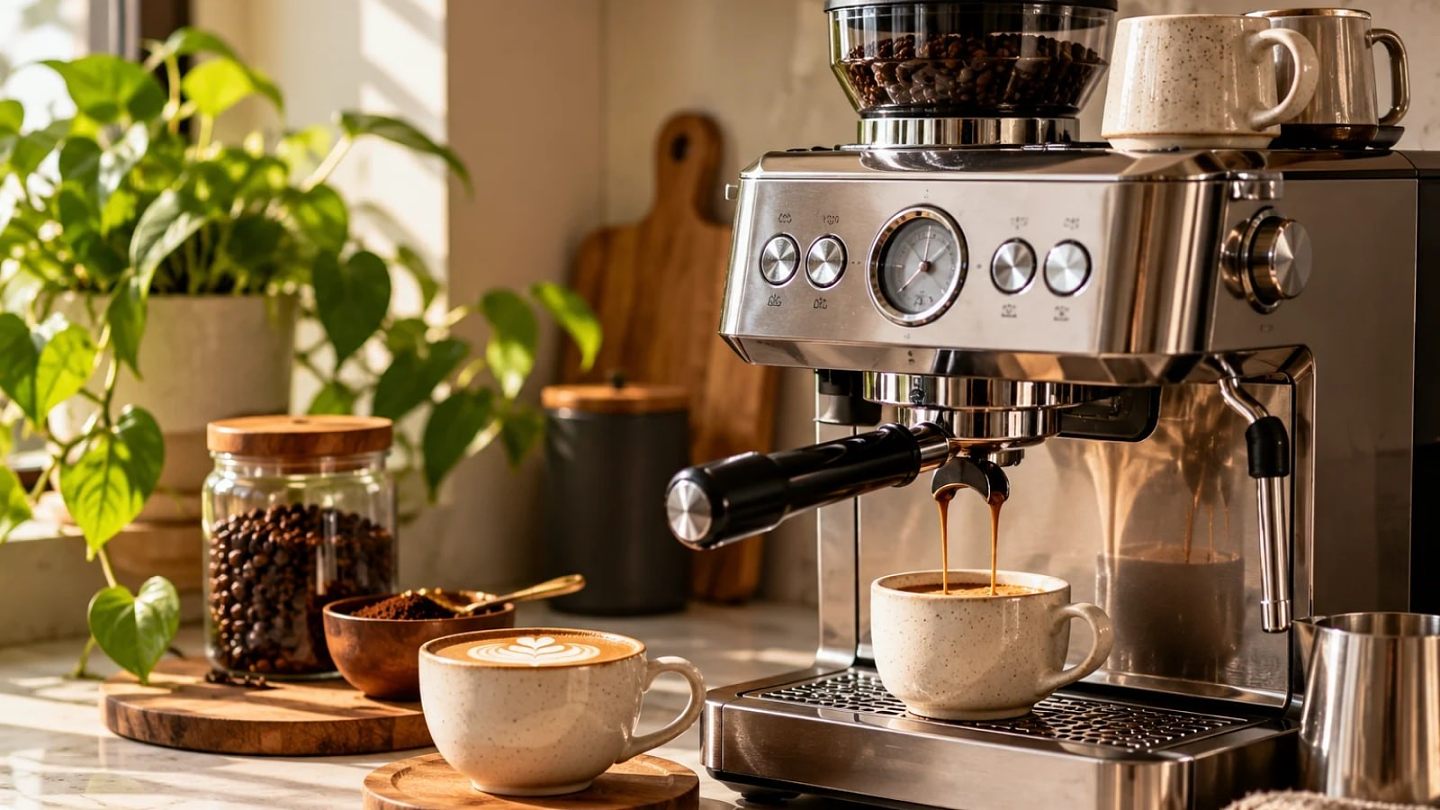
The difference between an ordinary coffee and an exceptional one often comes down to details that have little to do with how impressive the machine looks on your kitchen counter. The freshness of the beans, the consistency of the grind, the water temperature, the pressure during extraction and even the time spent brewing can all influence the final result. A premium machine can give you greater control over these variables, but it cannot compensate for stale beans or poorly ground coffee.
Start with the grinder. Coffee beans need to be ground to a size that suits the brewing method, and consistency matters because it helps water extract flavour more evenly. Espresso, for instance, requires a much finer grind than a French press. If your machine has excellent brewing technology but you’re using an inconsistent grinder, you’re unlikely to get the best out of it.
Then there is temperature. Water that is too cool can produce a flat, under-extracted cup, while excessive heat can bring out unpleasant flavours. Espresso machines with stable temperature control can help deliver more consistent results, particularly when you’re preparing several shots in succession. Pressure also matters for espresso, although a higher pressure rating alone isn’t a reliable indicator of quality.
Milk preparation is another area where a more expensive machine may earn its keep. If cappuccinos and flat whites are part of your daily routine, a capable steam wand can make it easier to produce fine, glossy microfoam rather than large, airy bubbles. The difference is particularly noticeable when you’re trying to recreate the texture of a well-made café latte at home.
But the biggest question is what kind of coffee you actually drink. Someone who wants a quick black coffee before work may be perfectly happy with a premium filter machine. An espresso enthusiast might appreciate the control of a semi-automatic setup, while someone who wants cappuccinos at the touch of a button may prefer a bean-to-cup machine.
In other words, the best coffee machine isn’t necessarily the most expensive one; it’s the one that gives you the right balance of control, consistency and convenience for the coffee you enjoy. Once you’ve figured that out, spending more can make sense, especially if you’re investing in features you’ll genuinely use.
Five Premium Coffee Machines That Bring Different Things To The Cup
Rather than shopping by price alone, it helps to choose a machine based on what you want to improve: extraction control, milk texture, convenience or consistency. These five options from different brands offer distinct approaches to making better coffee at home.
1. Breville The Barista Touch Impress Coffee Machine
Best for guided espresso making
A premium machine for people who want greater control without mastering every barista technique from scratch. Its guided touchscreen workflow and assisted preparation make it easier to work towards repeatable espresso shots and milk drinks. The key advantage is helping you manage the process, not simply applying more pressure.
2. Jura E6 Automatic Espresso Machine
Best for bean-to-cup convenience
If you want freshly ground coffee without measuring, tamping and preparing every shot manually, Jura’s automatic approach is worth considering. It combines grinding and brewing in one machine, making it a strong option for households that value consistency and convenience over hands-on experimentation.
3. DeLonghi La Specialista Opera Professional Coffee Machine with Cold Brew, Original Italian Brand, Built In Grinder, Automatic Smart Tamping, Range of Hot & Cold Recipes, 19 Bar Pressure, EC9555.M
Best for the hands-on coffee enthusiast
This machine combines an integrated grinder with temperature-control features and multiple grind settings. It suits someone who enjoys adjusting the finer details of extraction and experimenting with different beans. The appeal lies in having more control over the brewing process, rather than assuming a higher pump-pressure number guarantees a superior espresso.
This bean-to-cup option is designed for people who want a wider selection of coffee drinks without learning manual espresso techniques. Its appeal is the convenience of choosing a drink and letting the machine manage much of the preparation. Compare the available recipes, cleaning routine and milk system before choosing a specific variant.
5. Philips Series 1200 Fully Automatic Espresso Machine
Best for straightforward everyday coffee
Philips offers a more accessible entry into bean-to-cup brewing, with an integrated ceramic grinder and adjustable coffee settings. It may not have the extensive customisation of more expensive machines, but it illustrates an important point: a well-matched machine with freshly ground beans can make satisfying coffee without an ultra-luxury price tag.
So, Is The More Expensive Machine Worth It?
Yes, if you’re paying for features that improve your actual coffee routine. Better temperature management, a consistent integrated grinder, more precise controls and capable milk steaming can make a meaningful difference. Guided preparation and automatic cleaning can also justify the extra cost if convenience matters more to you than learning to pull espresso manually.
But if your current machine brews at a suitable temperature and extracts coffee consistently, upgrading may deliver less of a flavour improvement than investing in freshly roasted beans and a good grinder.
Before buying, decide whether you want to perfect espresso, make café-style milk drinks or simply get a reliable cup before work. Spend on the features that solve your coffee problem, not the biggest number on the price tag.